




Key Summary
- Pharmacies are worse off than a year ago, despite the 2025 funding uplift, "which has been swallowed by inflation, tax changes and operational pressures."
- The network faces a structural funding deficit of over £2 billion, leaving many businesses losing money every month.
- Upcoming changes introduced by the 2025 Autumn Budget are expected to add millions in extra costs for community pharmacies.
Community Pharmacy England (CPE) has said that most pharmacies have entered 2026 “in real economic peril” and wanted the government to ensure the sustainability of the sector in the upcoming Community Pharmacy Contractual Framework (CPCF) negotiations.
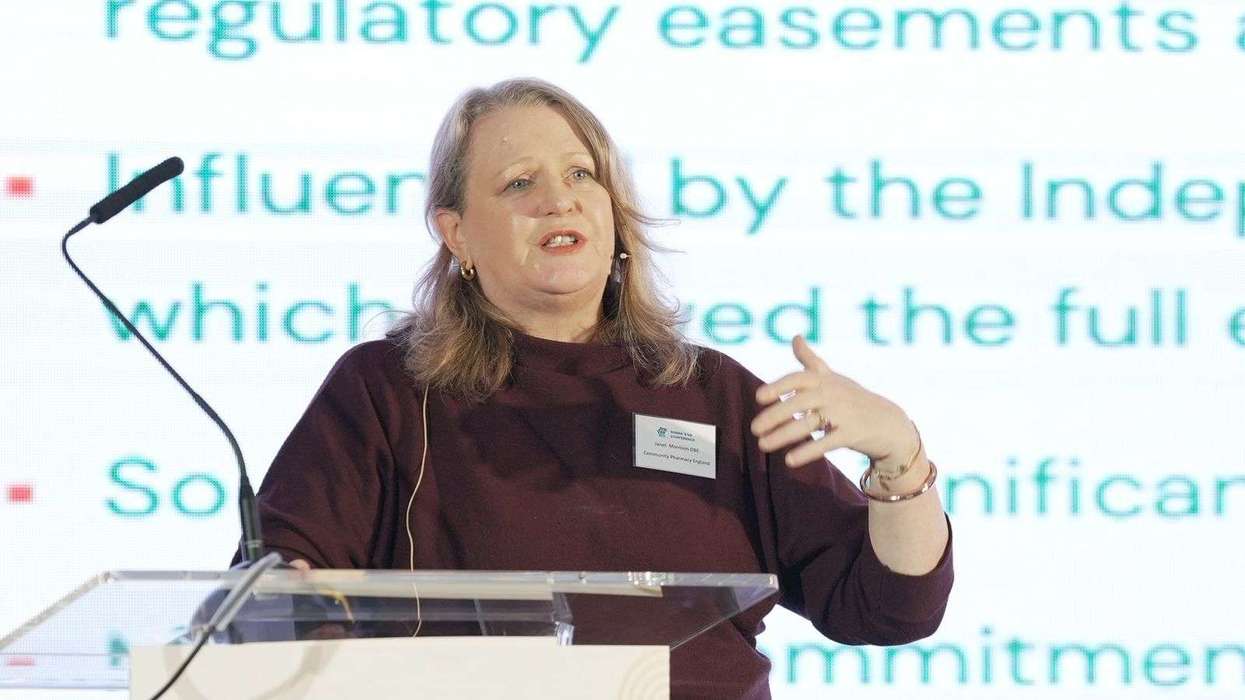
In a strongly-worded letter to pharmacy minister Stephen Kinnock, CPE CEO Janet Morrison has outlined the sector’s escalating crisis and called on the government to not only stabilise the sector for 2026/27, but also begin a credible, long-term recovery plan.
"If this is not achieved, the Department must prepare to have to mitigate negative impacts on patients’ access to services, the NHS, and high streets across England.
“Businesses are losing money and accumulating debt, and operationally, pharmacies are struggling to cope with the ongoing demand from patients and the public. Pharmacy closures are continuing - including in our most deprived areas - and we have also seen a reduction in the number of collective pharmacy opening hours,” the letter stated.
“Statutory accounts filed at Companies House continue to show the perilous financial position that many pharmacy companies are in, typically with high levels of loss-making, borrowings and net current liabilities.”
She said that without government intervention, the drop in the accessibility of services is only likely to continue, and this could have 'untold consequences' for patients and the public’s access to services, and for wider NHS services.
“It would also stall progress on your many positive ambitions for the development of the sector’s role and services in a reformed NHS, which we share,” she warned.
Also Read:
Pharmacy contract should cover cost increases and funding gap: NPA
The letter noted that pharmacies are worse off than a year ago, despite the 2025 funding uplift, "which has been swallowed by inflation, tax changes and operational pressures."
She said the network faces a structural funding deficit of over £2 billion, leaving many businesses losing money every month.
"Pharmacy opening hours have fallen dramatically, with 75,000 fewer hours per week since mid-2023 and an 88 percent collapse in late evening provision.
"Drug Tariff cuts and Category H changes announced last month are another blow, further destabilising medicines supply.
"Upcoming changes introduced by the 2025 Autumn Budget are expected to add millions in extra costs, including through a National Living Wage rise and higher business rates."
CPE is continuing its work to prepare for the upcoming negotiations, and has been clear to ministers that the upcoming CPCF negotiations must deliver:- A plan to close the funding gap, with proper indexation for activity and inflation
- A roadmap for the future, aligned with 10 Year Health Plan ambitions
- A margin reset and continued write-off of over-delivery
- Progress towards the Community Pharmacist Prescribing Service (in so far as this is achievable for the sector within the funding available)
- Reforms to aid efficiency and reduce red tape
CPE expects the 2026/27 CPCF negotiations to commence shortly.
“We will be looking for clear progress to made in these areas, and believe this is necessary to maintain not only the viability of pharmacy businesses, but the access to medicines and pharmaceutical services that millions of patients, carers and member of the public rely on every day,” Janet wrote.