






Copy of Podcast: Response to CPCF balanced between disappointment and ‘better than expected’, says Janet Morrison
CPE’s chief spoke frankly about pharmacy funding and the problems ahead for contractors, alongside other leaders in the latest Pharmacy Business podcast

Shajil Kumar recently joined Pharmacy Business as senior journalist having previously worked with AMG’s sister publications Eastern Eye and India Weekly. He is a keen watcher of the pharmacy sector. Shajil has an extensive experience in print and online journalism covering general and financial news for nearly three decades.
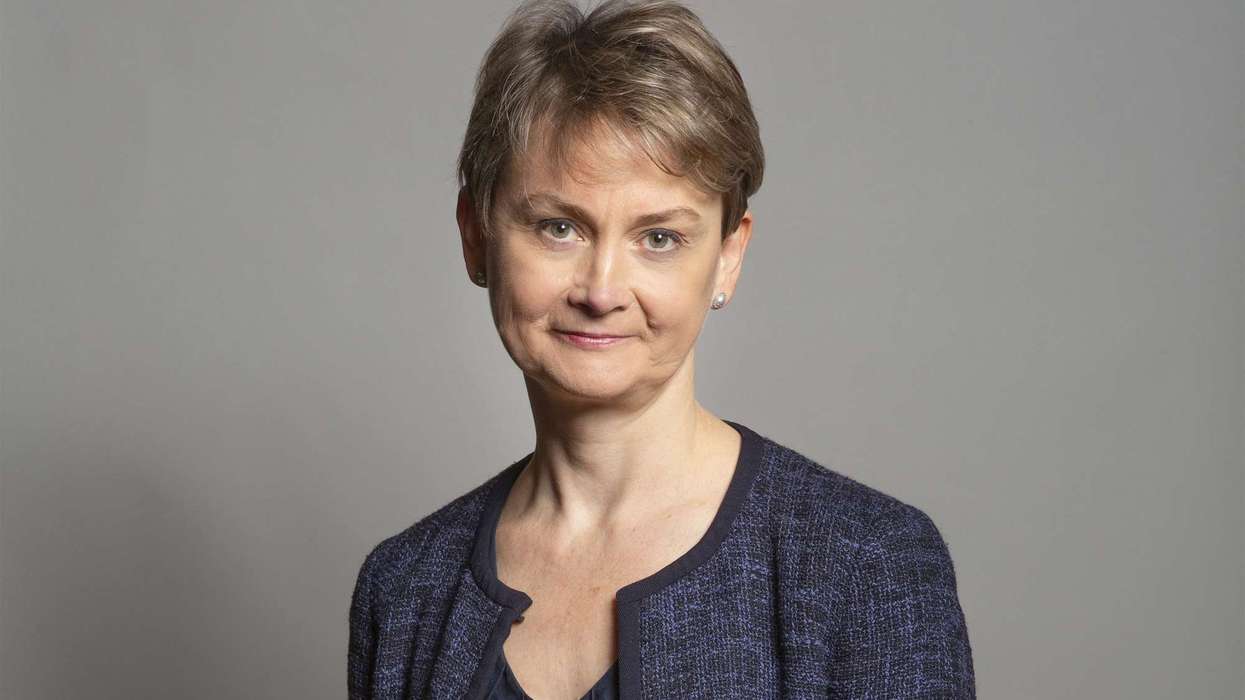
Reactions to the community pharmacy funding agreement for 2026/27 have been "evenly balanced between ‘disappointed’ and ‘better than expected,’" Community Pharmacy England (CPE) chief executive Janet Morrison has said.
Speaking in a Pharmacy Business podcast discussion "Reflections on Pharmacy Funding" recorded on 4 June, Morrison said that following the announcement she had so far met with over 600 contractors around the country.
“I think on the positive side, people were recognising that community pharmacy has been given preferential treatment again after last year. This is the best deal in primary care,” she said.
There was also recognition that the government had prioritised community pharmacy and is keen to go beyond "sticking plaster settlements" to reform the contract funding and reimbursement, she suggested.
But she admitted that accepting the deal was a very difficult decision for those involved. “I think a number of people have said publicly that when they came to the meeting, they changed their minds several times during the discussion, trying to work out where to land.”
Morrison admitted that the settlement does not close the funding gap, and the money just covers this year’s growth and projected inflation.
More needs to be done for pharmacy businesses to survive an unsustainable funding position, a panel of leaders, including Morrison, told Pharmacy Business in a discussion, moderated by Pharmacy Business Editor Carolyn Scott.
Leaders from community pharmacy, including the National Pharmacy Association (NPA) and Company Chemists’ Association (CCA), met to reflect on the immediate implications of the pharmacy funding agreement.
Long way to go
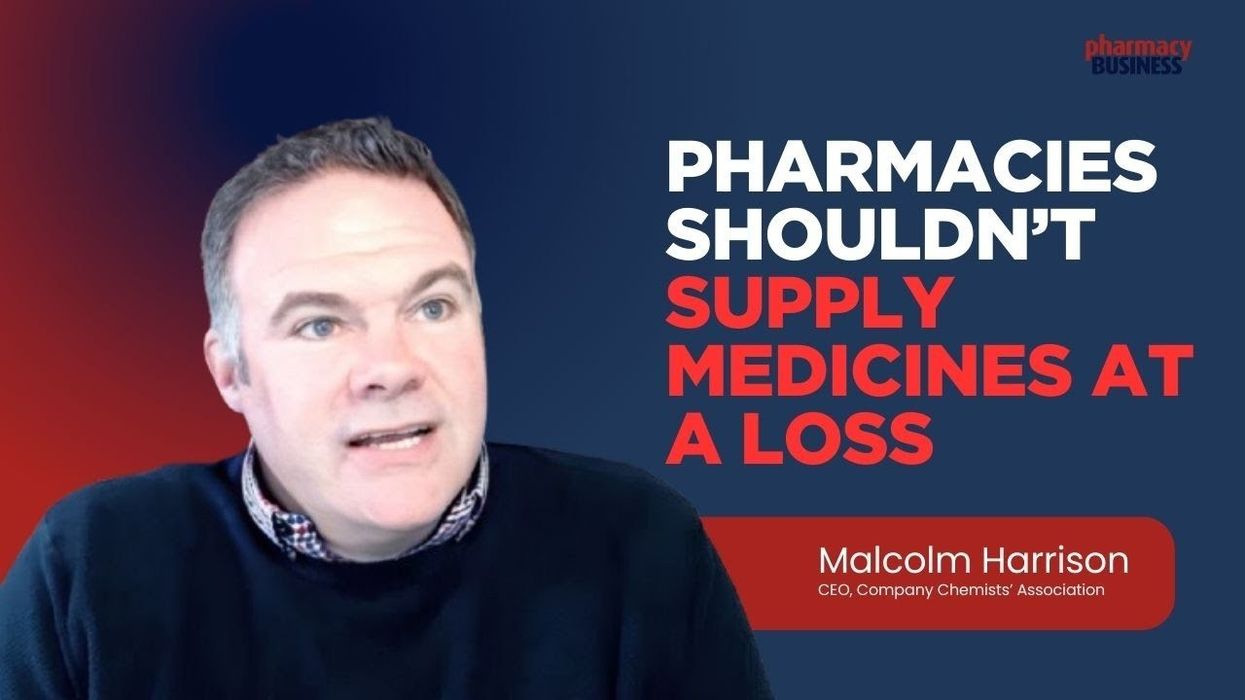
Company Chemists' Association chief executive Malcolm Harrison welcomed the funding agreement but said that many contractors felt largely 'underwhelmed' by the agreement.
He pointed out that the contract outlay was £2.6bn in 2023, and so the current £3.636bn may appear 'big' in comparison. But, he noted that CPCF allocations have stagnated for a decade.
"If we look at the value of the contract from where it was before the cuts in 2016 to where it is now, we would expect inflationary growth to see a contract valued about £3.9bn.
"If you add on volumetric growth from NHS items, it's about £4.7bn, so it's still a long way away from where we are," Harrison said.
He observed that while CCA members were pleased to see an increase in core funding, an addition to the retained margin and write off of net contract (margin) over-delivery earned up to the end of March 2026, much more needs to be done.
Shilpa Shah, chief executive at Community Pharmacy North East London, agreed and added that pharmacists had were not expecting much from the negotiations.
She said there had been “a little bit of noise on all the different WhatsApp groups” since the announcement, but most did feel underwhelmed.
Shah felt there are a lot of unanswered questions for contractors, and how they can respond. “We need to go through the details and really help people understand what they may need to do differently in their business to make sure that they get through the next year before we hear about the next contract.”
Margin relief
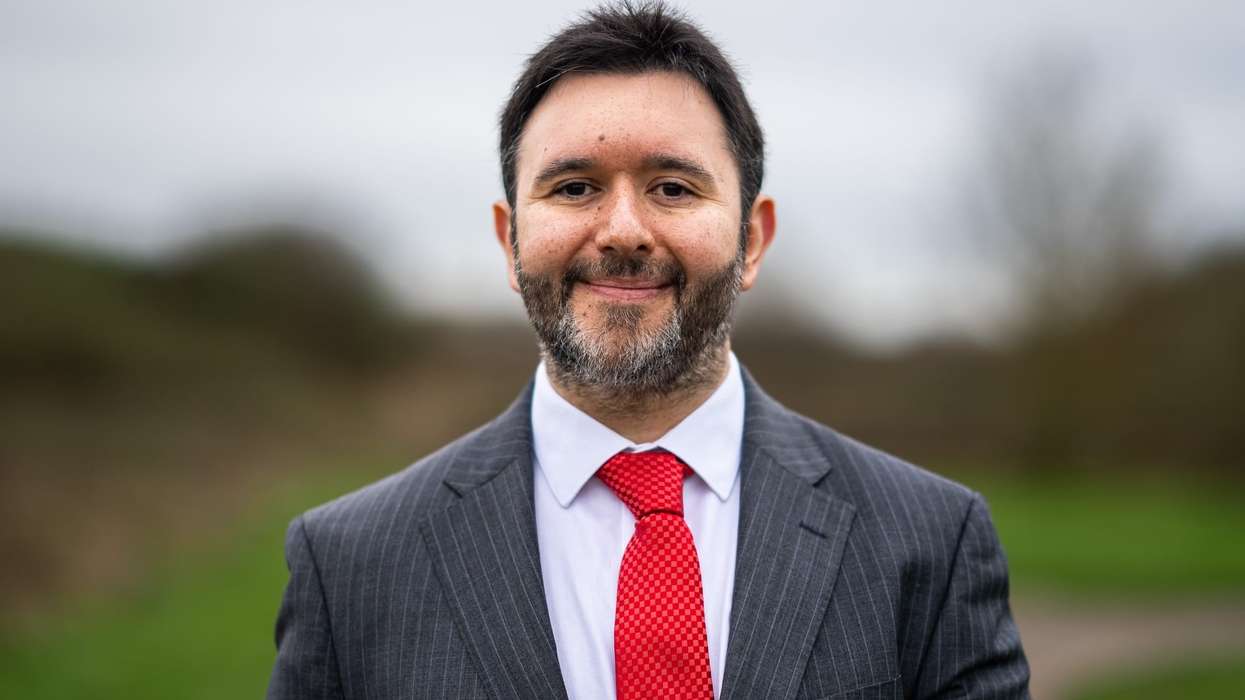
National Pharmacy Association (NPA) chair Olivier Picard said that pharmacy owners feel the quantum of the hike in the CPCF allocation is significant in the current economic climate, and that the write-off of net contract (margin) over-delivery is not something "that happened by accident".
He said the sector has been demanding it for long and the minister has finally listened to them.
However, Picard said the current allocation does not close the funding gap and he claimed that some observers have calculated that this has been reduced by just 1 percent this year.
"So, at the current rate, it would take 100 years to finally close the funding gap, and I think people don't have quite that amount of time," he said.
Reform funding model
Reena Barai, pharmacist and owner of SG Barai Pharmacy, said that for her, the most positive aspect is that there is now a conversation around reform, "something we've been banging on about for ages".
"We cannot do today's work with yesterday's ideas, solutions, and funding. Pharmacy has changed drastically from when the funding mechanisms, reimbursement remuneration models were created, and we really, really need a significant reform conversation: just not a nice conversation, a really tough one," she remarked.
"We've seen so many closures, we know that the model isn't working, and something needs to change."
Barai said the latest allocation fails to address the issue of unpredictability faced by pharmacy owners.
"I still can't tell if I'd be able to pay my wholesaler bills in months to come. I still can't tell if I can afford to take on staff. I still can't tell if I will have a pharmacy in a few years' time that I can invest in," she said.
Barai said it is an impossible way to run a business, and it gives her sleepless nights.
Picard remarked that contractors want to know whether they will be able to invest in their business. "Unfortunately, the current system of funding doesn't allow that."
He also advised contractors not to accept any unprofitable activity, and they should have a better understanding of the true cost of services.
He said one needs to stop confusing activity with sustainability. "Doing more work is only good if the funding follows the work," he added.
The NPA chair said this has not happened for the past 10 years, and therefore contractors will need to continue to adapt their approach.
The Community Pharmacy Contractual Framework (CPCF) negotiations concluded on 29 May, with a 10.3 percent increase in funding for community pharmacies, bringing the budget to £3.636bn for this financial year.
The settlement also includes a £200m uplift to the margin allowance and, in response to CPE’s representations, the government is also making a write-off of net contract (margin) over-delivery earned up to the end of March 2026 - saving pharmacy owners up to £239 million more in recovery - in efforts to stabilise the increasingly volatile medicines supply chain.
The Single Activity Fee (SAF) will increase by 6 pence to £1.53 per item.
Listen to Reflections on Pharmacy Funding on YouTube and at pharmacy.biz Pharmacy Business - YouTube