





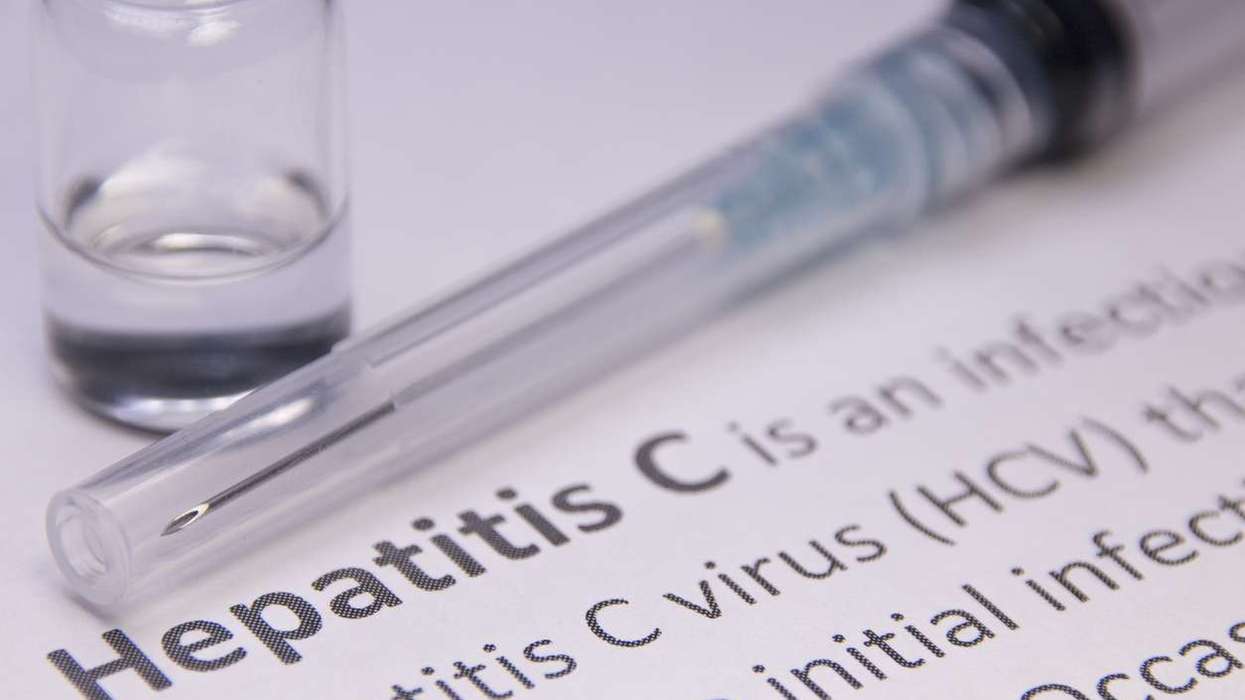

NHS England has said that more than 100,000 people have been diagnosed and treated for hepatitis C since 2015, putting the country on track to become one of the first in the world to eliminate the virus – potentially ahead of the World Health Organization's 2030 deadline.
The figures, published by NHS England, showed that the 80% treatment target for known cases has already been met, and deaths from the virus have fallen by 36% over the past decade.
A course of direct-acting antiviral (DAA) medication, taken for eight to twelve weeks, now cures more than 95% of cases.
Professor Frankie Swords, NHS national medical director, said England was “now leading the world in the mission to eliminate this disease and on course to beat the WHO's 2030 target, but we are determined to keep up the momentum and finish the job.”
Health and Social Care Secretary Yvette Cooper said the country was "leading the world in wiping out" the disease and described hepatitis C as curable in the vast majority of cases.
Rachel Halford, chief executive of the Hepatitis C Trust, said that England was "on the cusp of one of the most significant public health achievements in our country's history" but stressed that the gains depended on sustained funding and testing.
Approximately 10 million people in South Asia are living with hepatitis C, putting visitors at higher risk, the Hepatitis C Trust highlights.
"If you have spent time in South Asia, including countries such as India, Bangladesh or Pakistan at any time in your life – as a child or an adult, as a resident or a regular visitor – it is good to know what can put you at risk and to make sure you get tested for hepatitis C.
"You may have put yourself at risk if you have travelled to South Asia for treatment or accessed healthcare – including beauty treatments – whilst you were there. If the equipment used in a procedure has not been sterilised properly, there could be a risk of contracting hepatitis C."
UKHSA estimates put the number of adults still living with hepatitis C in England at around 50,200 as of 2024, with 84.6% of cases diagnosed – short of the 90% diagnosis target.
Hepatitis C disproportionately affects some of the most marginalised and underserved communities in the UK, Halford said.
Testing for hepatitis C
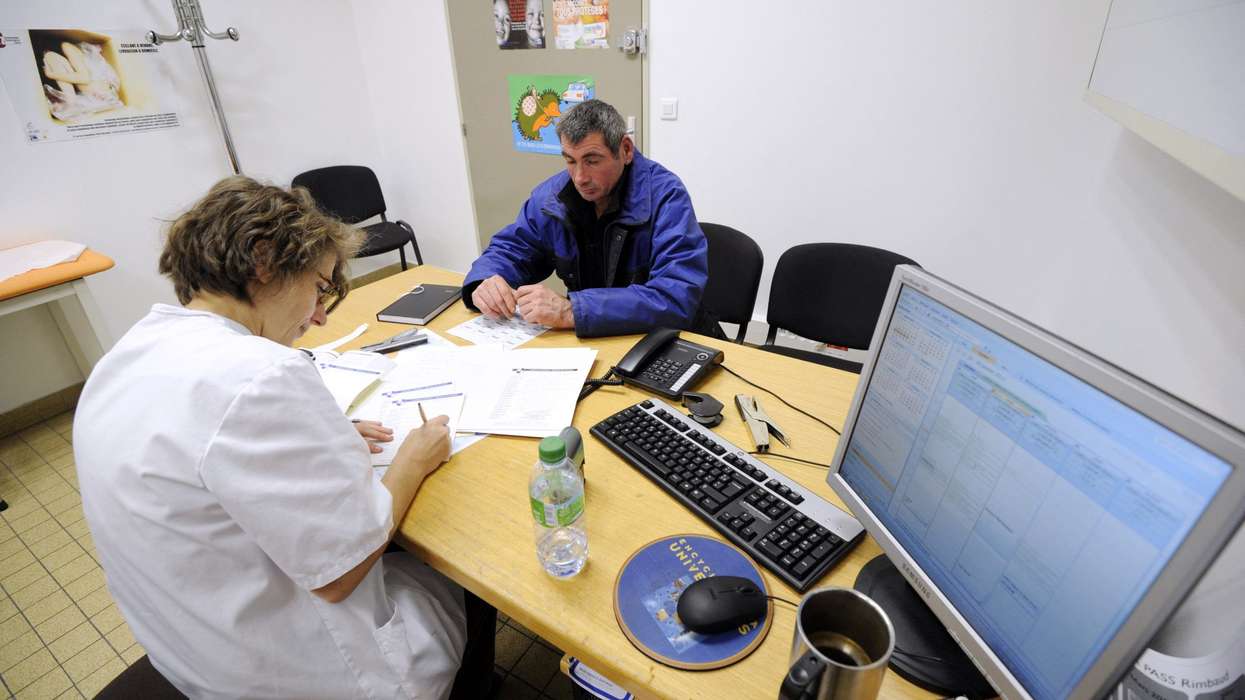
People in England can order a free, confidential, home self-testing kit at hepctest.nhs.uk without seeing a GP first.
The test is offered by some pharmacies, and GPs, sexual health clinics, drug dependency units, needle exchange services and antenatal clinics.
NHS England is urging adults born in Ukraine, Romania, Estonia, Latvia, Poland, Albania, Lithuania, Bulgaria, Czechia or Slovakia to get tested, due to the possibility of exposure through medical or dental procedures before 1991.
In Scotland, the test is ordered through NHS Inform, and through a Test and Post service in Wales.
A Community Pharmacy Hepatitis C Antibody Testing Service was decommissioned in England in 2023.
Between 1970 and 1991, more than 30,000 people in the UK were infected with HIV or hepatitis C through contaminated blood products, with around 3,000 deaths so far attributed to the scandal that a public inquiry found had been actively covered up.
Many people with hepatitis C may not know they are infected and will not have symptoms until the liver has been damaged.