






Key Summary
- In 2025-26 there were 63 infants admitted to intensive care units with confirmed RSV chest infection, down from 131 in 2024-25.
- From March 2025 to February 2026, 61.7% of women giving birth had received an RSV vaccine.
- There has been an over 40% reduction in RSV-related hospitalisation rates among eligible adults 75 to 80 years of age.
The latest UKHSA's report on respiratory syncytial virus shows that in 2025-26 around 50% fewer infants under six months were admitted to intensive care with RSV disease in England.
In the 20 NHS trusts taking part in the surveillance there were 63 infants admitted to intensive care units or higher dependency units with confirmed RSV chest infection.
The previous year, 2024-25, the same 20 trusts reported 131 aged under 6 months were admitted to ICU or HDU.
This fall demonstrates the impact that the first full year of the NHS RSV maternal vaccination, started in September 2024, has had in protecting newborns from severe RSV disease.
The full impact of the programme in reducing the number of cases and severity of RSV in infants was seen only by the last winter, 2025-26, as more pregnant women became eligible.
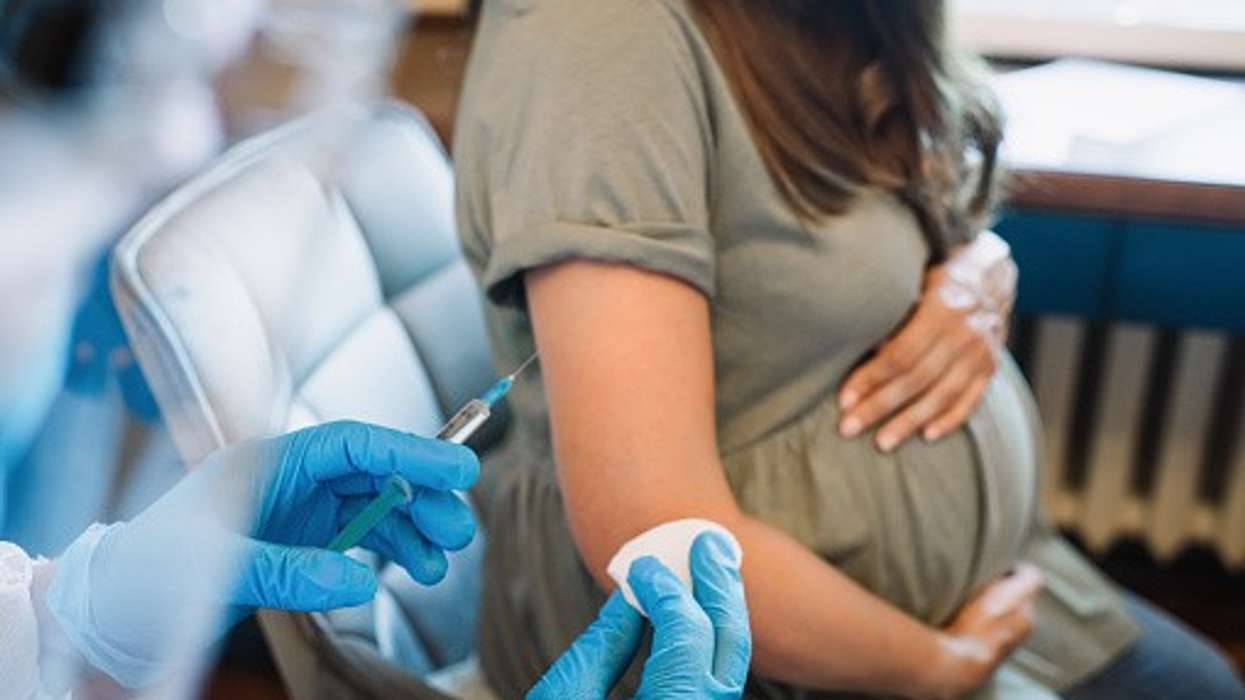
The maternal vaccination programme is offered to women from 28 weeks of pregnancy to protect newborns, who are at higher risk of severe illness from RSV.
The annual report shows that in the 12 months from March 2025 to February 2026, 61.7% of women giving birth had received an RSV vaccine.
While the UK RSV season usually starts in October, last winter cases didn’t start to rise until early November and peaked during weeks 49 to 52 (December) 2025.
RSV infects around 90% of children in their first two years of life.
While for many infants it can be managed at home, for some it can be severe requiring hospitalisation including intensive care.
Bronchiolitis
In previous seasons, over 1,000 babies a week were brought to NHS Accident and Emergency (A&E) departments for bronchiolitis through most of November and December.
Most bronchiolitis cases seen in hospital are due to RSV.
The report also shows that in 2025-26, peak weekly infant bronchiolitis A&E attendances in England were lower than previous seasons, and the peak season was shorter.
Bronchiolitis is a common viral infection that causes swelling in the small airways of a baby’s lungs.
Older adults
The study also found that 65% of eligible older adults had received an RSV vaccine by the end of May this year.
The vaccine impact analysis in England has indicated that there has been an over 40% reduction in RSV-related hospitalisation rates among eligible adults 75 to 80 years of age.
The UKHSA this year expanded the RSV vaccination programme to adults aged 65 to 74 years belonging to certain risk groups.
This makes the vaccination available to people living with chronic asthma, bronchitis or cystic fibrosis or who have weak immune systems caused by other conditions (such as diabetes or blood cancer) or by medical treatments such as chemotherapy.
Life saver
Health secretary Yvette Cooper said: “The RSV vaccine, introduced by this government, saves lives and it is encouraging to see such a positive uptake. We want to see this effectively rolled out everywhere.”
UKHSA Immunisation Consultant Dr Conall Watson said: “Intensive care admissions have halved since the introduction of the maternal vaccine programme. A&E bronchiolitis attendances are also down. The RSV vaccine is highly effective and has an excellent safety profile in UK monitoring and internationally.
“You should be offered the vaccine by the NHS, but if you are past 28 weeks pregnancy and haven’t yet had it there is still time – it can help protect when given as little as ten days before birth, though longer is definitely better."
NHS director of vaccinations Caroline Temmink said: “Today’s analysis is fantastic news, thanks to NHS staff dozens of newborns have potentially avoided being admitted to intensive care after their mother received her RSV jab during pregnancy – the vaccine is highly effective at protecting babies from experiencing RSV related complications in the first few months of their life.
“Although RSV spreads most in winter, this virus poses a risk all year round, so if you’re more than 28 weeks pregnant, we would encourage you to speak with your local maternity service or GP practice to find out how you and your newborn can get protected.”