





Key Summary
- Insufficient number of stroke specialists means delays and worse outcomes
- Many patients end up disabled or die when faster care could help
- Shortages are worst outside big cities, risking NHS goals
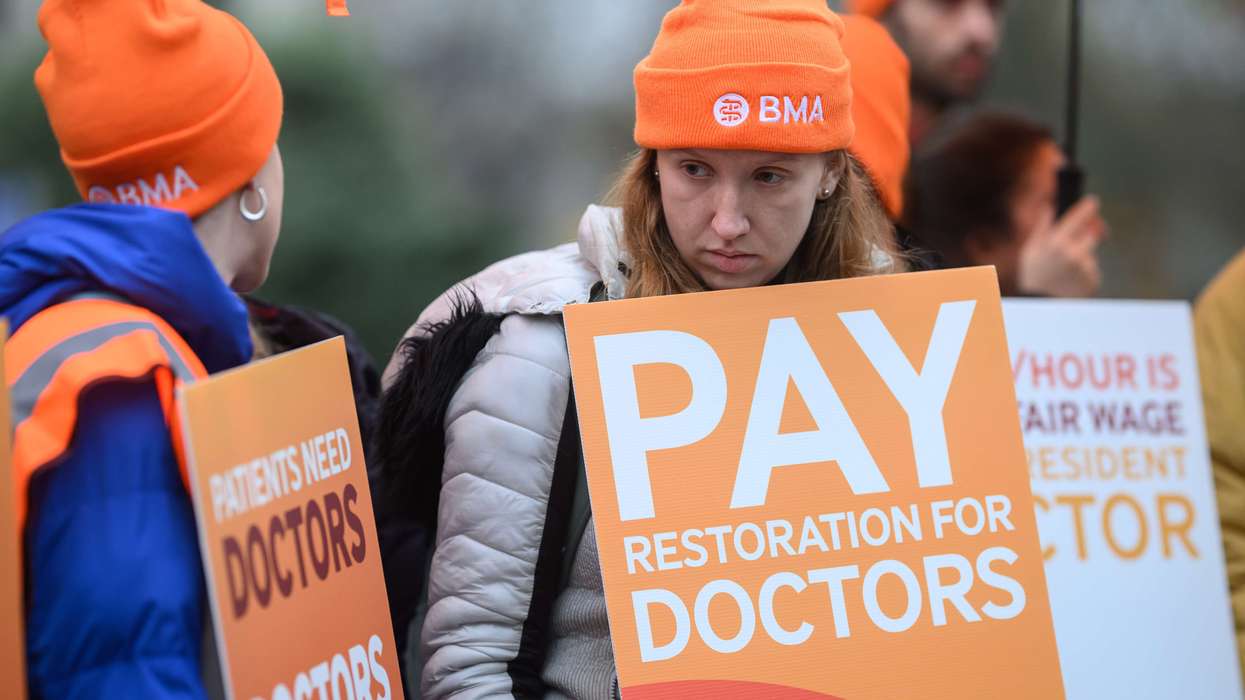
Senior doctors are worried that stroke patients are not getting timely care due to lack of specialist doctors across the NHS, and many end up with disabilities or die, The Guardian reports.
Nearly 100,000 people across the UK suffer from stroke annually, out of which 10,000 to 20,000 died or are severely disabled, a senior stroke specialist at Royal Stoke hospital told the daily.
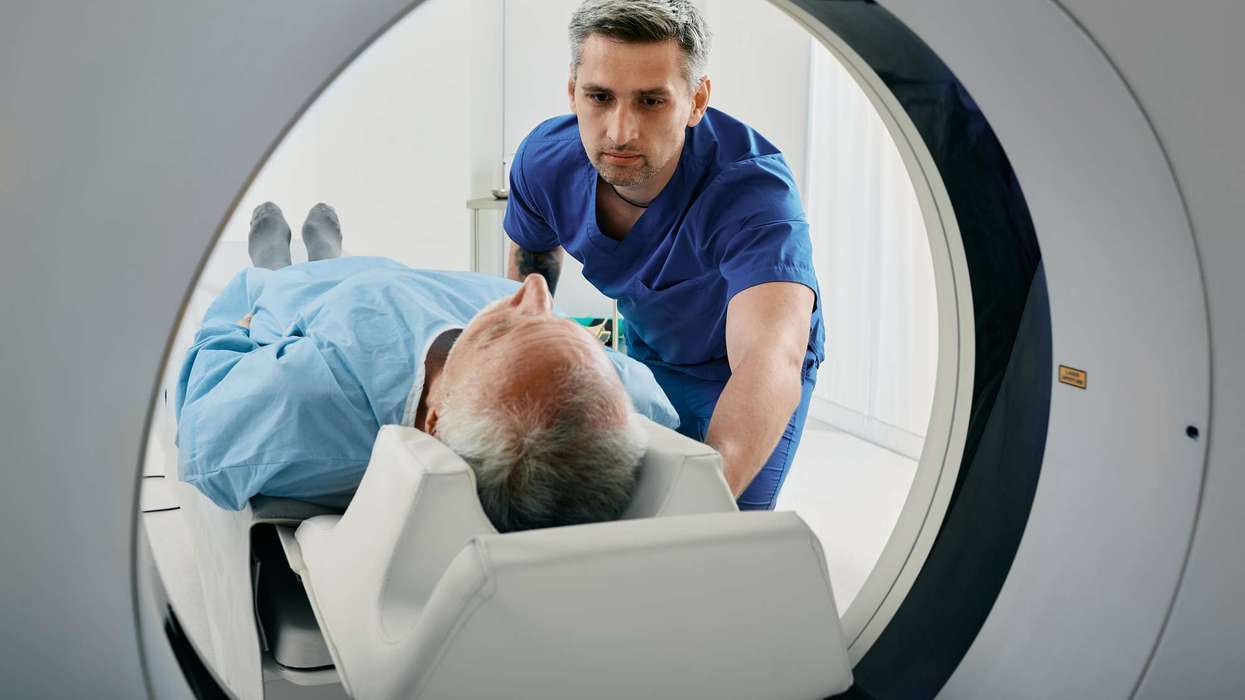
The shortage of stroke experts slows down stroke diagnosis, which is very time-critical, and access to clot-busting medications and surgery.
The latest annual reports produced by the Sentinel Stroke national audit programme team based at King’s College London, has found that it took four hours and 11 minutes to get someone who had had a stroke to hospital in 2024-25.
This is longer than in 2023-24 and more than 90 minutes longer than a decade ago.
Another research by the British and Irish Association of Stroke Physicians (BIASP) covered 100 hospitals in England that provide acute stroke care and found that 70 percent of stroke units were short of at least one specialist.
The NHS is relying heavily on locum doctors as it is difficult to recruit new consultants, it added.
Prof David Werring, the past president of the BIASP, told the daily that this shortage is more likely in hospitals located in rural, coastal and deprived areas.
The Labour government had set a target to cut deaths from heart disease and stroke by 25 percent by 2035.