


Key Summary
- Government plans wider access to naloxone to prevent overdose deaths
- Emergency kits could be placed in public spaces and frontline services
- Move aims to save lives amid rising drug-related deaths
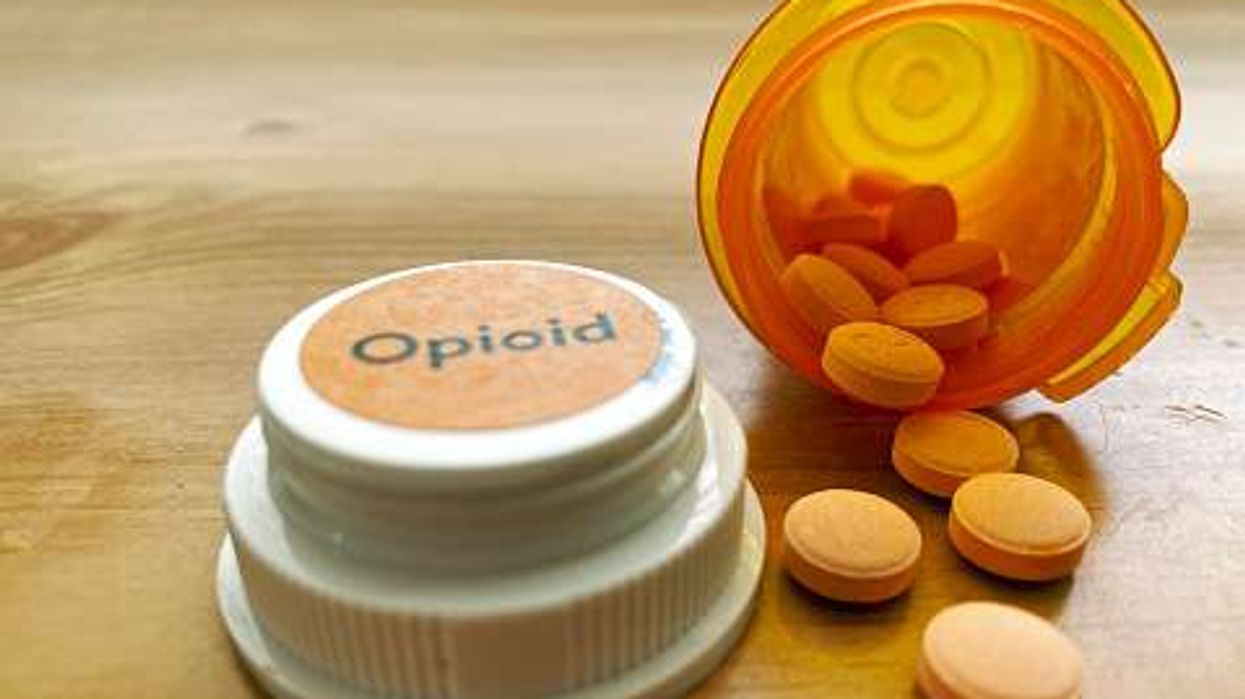
To reduce deaths due to drug overdose, the government is planning to increase the availability of naloxone, which temporarily reverses the effects of opioids, allowing time for emergency treatment.
Naloxone has no effect if opioids are not present and cannot be misused.
The government has launched a 10-week countrywide consultation on this issue from Monday (29), as part of its comprehensive approach to combat drug and alcohol misuse and treatment.
It is being conducted jointly with the Department of Health (Northern Ireland) and has the support of all four UK nations.
The government seeks to amend regulations to allow the supply of naloxone to hostels, day centres and outreach services for people experiencing rough sleeping or homelessness.
It wants the delivery of naloxone for emergency staff at organisations including the Border Force, National Crime Agency and laboratory testing facilities who may encounter dangerous synthetic opioids such as nitazenes as part of their work.
Introduce a new way to access naloxone by installing publicly accessible emergency boxes, similar to those containing defibrillator cabinets, in high-risk locations such as high streets and near nightlife venues.
The government has allocated a record £3.4 billion over the next 3 years up to 2029 to combat drug menace.
England and Wales have recorded 5,448 drug-related deaths last year alone, and there has been an increase in cases of death caused by nitazenes - a synthetic opioid.
Minister of State for Health Karin Smyth said, “Every drug death is a preventable tragedy. Naloxone is a safe, effective medication that can reverse an opioid overdose and give someone the chance to access treatment and rebuild their lives.
“We want to remove the barriers which prevent naloxone reaching the people who need it most at that moment when their life is on the line.”
In October, the government launched an awareness campaign against the use of ketamine, counterfeit medicines, synthetic opioids and THC vapes following a significant increase in drug-related harms among young people.
The campaign targets 16- to 24-year-olds and additional resources are now available for schools, universities and local public health teams, ensuring young people have the facts they need to make informed decisions about their health and safety.