





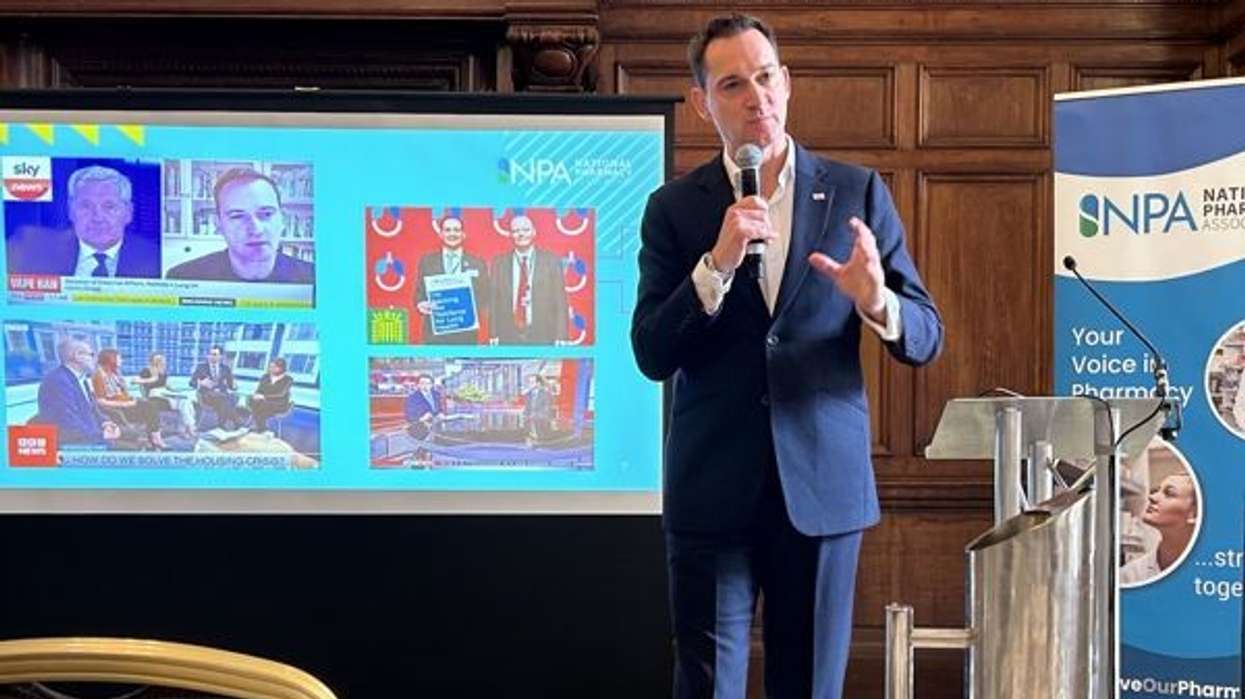

The National Pharmacy Association chief executive, Henry Gregg, lamented that the government has announced a new contract for the general practitioners, but the consultations with community pharmacies have not begun.
He said this in response to the government's announcement of a new contract for GPs for 2026/27.
Gregg said, "It's disappointing to see a formal contract offer announced for GP colleagues before the government has even begun consultations for community pharmacies.
"With just 37 days to go to the start of April and the new financial year, the clock is ticking.
"Pharmacies are still left in the dark as to how they will meet looming cost increases being imposed on them.
"As equal members of the primary care family, they need certainty so they can plan and invest for the year ahead to deliver vital services for their patients."
Weight loss programme
Regarding the government's weight-loss programme as part of the GP contract, Gregg said, "The NHS rollout of weight loss treatments remains very slow and only a handful of patients are being treated. In some parts of the country, it has hardly begun at all.
"This means that the vast majority of patients will be receiving weight loss treatment from their pharmacy.
"The government should be using the expertise pharmacies have in this area to support the NHS to reach more patients, rather than relying on overstretched GPs.
“Community pharmacies can provide a patient with the care they need to achieve a sustainable weight loss, through wrap around support and careful lifestyle changes, where a patient is eligible for treatment.”
Company Chemists’ Association chief executive Malcolm Harrison said, “This is a clear step towards strengthening efforts to reduce obesity; however, it is limited in ambition.
"Community pharmacies already play an important role in providing weight loss treatments safely and effectively, both in-person and online, supported by established clinical pathways and strong patient safeguards.
"There is a clear opportunity for the government to build on this expertise and commission an NHS weight management service through community pharmacy. Expanding access in this way would not only help more patients receive support but would also help millions access it faster.
"Obesity is a national problem and needs national support, delivered at scale. This is where pharmacy excels. Pharmacy-enabled support would ensure the best outcomes for patients and reduce the burden of obesity on the NHS and the wider economy.”
Pharmacy2U superintendent pharmacist Phil Day said, “It’s hard to think of a medical intervention that has captured the public imagination quite like the current generation of weight-management medicines, and this rapid increase in demand has presented challenges when determining eligibility and access.
“The NHS has set specific clinical criteria for qualification, including a BMI threshold and the presence of weight-related comorbidities. These criteria are intended to prioritise treatment for those at greatest clinical risk, and they explain why many individuals currently access treatment through private providers.
He urged the people not to fall prey to dubious sellers and to avoid resorting to unhealthy practices.
“For the time being, we urge patients not to be tempted by black-market or unlicensed sellers, as the risks to health can be significant. Research suggests that almost half (44 percent) of the 1.6 million people using weight-management medicines have experimented with unsafe dosing practices or turned to unlicensed suppliers due to cost pressures.
"This shadow market presents serious safety concerns and risks undermining safe, clinically supervised treatment pathways to tackle the UK’s obesity crisis.”