



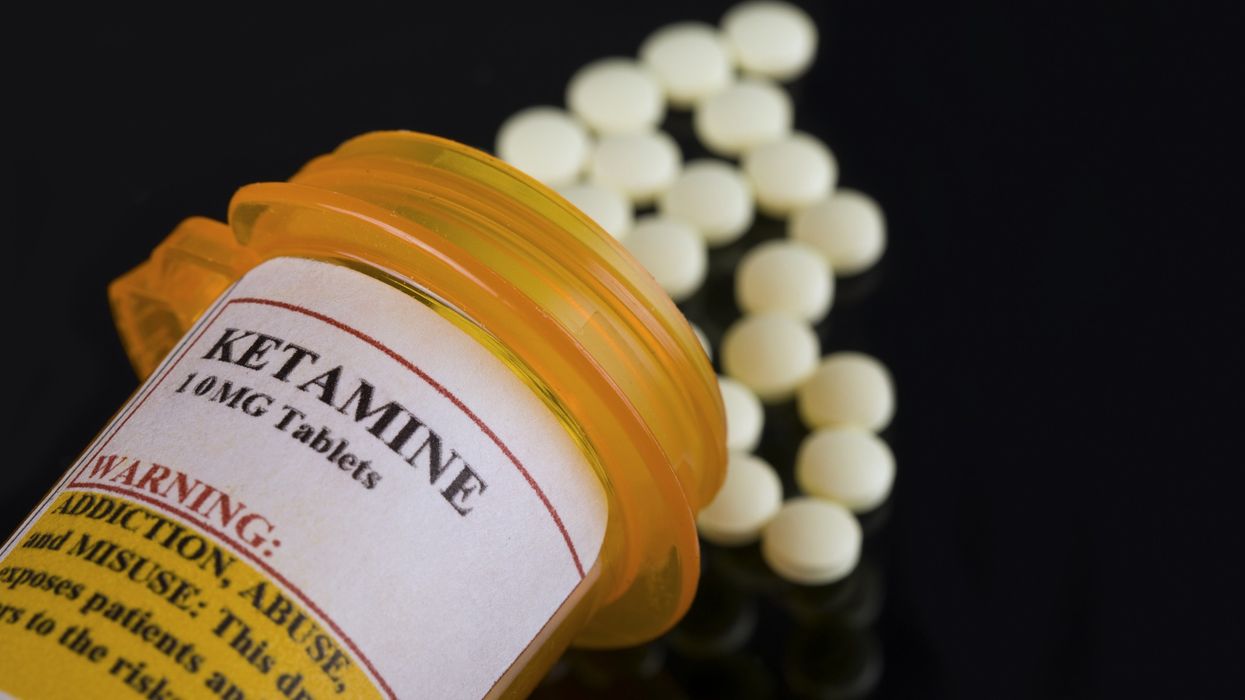

With ketamine addiction rising among the UK’s youth, experts have expressed concern over the rise in hospital admissions due to its abuse.
They warn that the urology departments in hospitals across England and Wales are under strain because this class B dissociative drug, used for pain relief and sedation, is being increasingly used for recreational purposes by the youth, The Guardian reports.
As per the Office for National Statistics data, the number of people who claimed they have used the drug in the past month has increased by 251.85 percent since 2015.
Due to the low cost of the drug, it is very popular among young people, especially students. However, it is highly addictive and the tendency to relapse is very high.
As regular ketamine use can cause irreversible damage to the bladder and urinary tract, the urology departments are seeing a rapid increase in patients, most of them teenagers and young adults.
Alison Downey, a consultant urologist in South Yorkshire, told the daily that ketamine-related cases are pushing medical centres and hospitals to their limits.
Nadir Osman, a consultant urological surgeon in Sheffield, told the daily that ketamine users don't understand how lethal the drug is.
Ketamine may appear to have no side effects, but it slowly impacts the bladder and the liver, and then the urinary tract.
"It takes a couple of years to begin to notice these effects, but once you start noticing them, they’re pretty irreversible,” he added.
However, the urologists said that since the problem was also related to drug addiction, it leads to various complications.
Osman said some ketamine users who are on a list for surgery end up not getting the procedure done due to continuing to use the drug as pain relief.
Awareness drives
The government had in October launched an awareness campaign in October targeting 16-24-year-olds and social media users, about the harm caused by Ketamine.
This was part of its Plan for Change mission to create safer streets by reducing serious harm and protecting communities from emerging drug threats.
The campaign also provides information on accessing help and support for those experiencing drug-related problems or mental health issues.
This year, the Department of Health and Social Care is also providing £310 million in additional targeted grants to improve drug and alcohol treatment services and recovery support in England, including specialist services for children and young people.
To combat drug overdose deaths, the government is also planning to increase the availability of naloxone, which temporarily reverses the effects of opioids, allowing time for emergency treatment.
Naloxone has no effect if opioids are not present and cannot be misused.
The government seeks to amend regulations to allow the supply of naloxone to hostels, day centres and outreach services for people experiencing rough sleeping or homelessness.
It has launched a countrywide consultation on the issue.