




Key Summary
- In the year 2024 to 2025, the average measles vaccination rate in England was 83.7 percent, but in London it was only 69.6 percent.
- The abundance of misinformation online is cited as one of the reasons why people are not getting their children vaccinated.
- The government has launched ‘Stay Strong, Get Vaccinated’ campaign to encourage parents to ensure their children receive their routine childhood immunisations.
Measles cases continue to rise in London, with 16 new cases in Enfield and 10 in Haringey in the past week, according to the UK Health Security Agency (UKHSA).
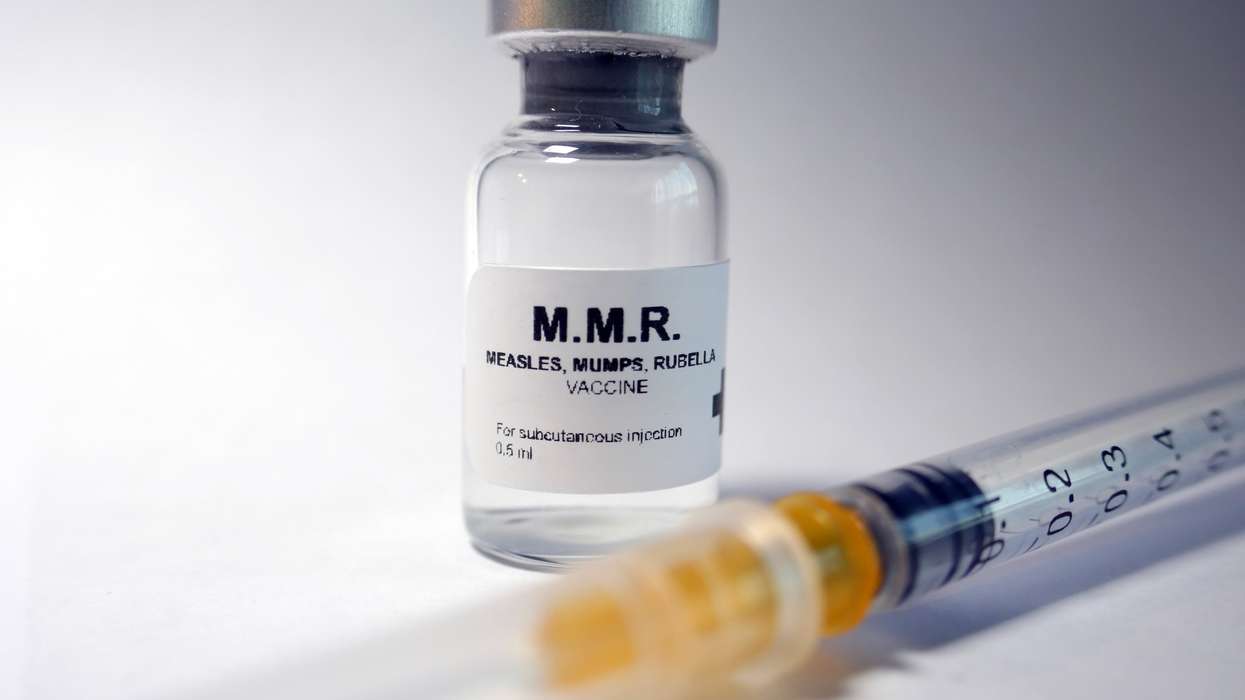
Measles is highly contagious, and the worst hit are the unvaccinated children under the age of 10.
There have been 88 recorded measles cases in London since the beginning of the year, and healthcare experts blame it on low measles vaccination rates in England for the current outbreak.
In the year 2024 to 2025, the average measles vaccination rate in England was 83.7 percent, but in London it was only 69.6 percent, and in Enfield it was even lower at 64.3 percent.
Experts note that London's figure is on par with those of Afghanistan (62 percent) and Malawi (69.3 percent).
Doctors claim that the abundance of misinformation online is one of the reasons people are not vaccinating their children.
The government has recently launched ‘Stay Strong, Get Vaccinated’ campaign to encourage parents to ensure their children receive their routine childhood immunisations.
Separately, parents are also being encouraged not only to ensure their own children are fully up to date, but also to help raise awareness among family, friends, and their wider communities about the importance of routine immunisation.
Health minister Dr Zubir Ahmed said, "Vaccination is one of the greatest public health successes of our time, protecting children from serious and sometimes life-threatening diseases. But with vaccination rates falling and the UK losing its measles elimination status, it’s vital we act now.
"Our campaign will help parents get clear, trusted information about childhood vaccines and the protection they offer.
"By making vaccines easier to access - including the introduction of chickenpox protection into the childhood programme with the MMRV vaccine - we are supporting families to keep their children safe and healthy, while helping to protect communities across the country."
ABPI medical director Dr Amit Aggarwal said, “Measles outbreaks are a serious concern and underline the importance of maintaining high vaccination coverage to protect individuals and communities.
“Vaccination rates have been declining for a number of years, but we believe the NHS vaccination strategy and the NHS 10-Year Plan have the right approaches to address this, with measures such as vaccination catch-ups, and an expanded role for health visitors.
“The government's new 'Stay strong, get vaccinated' campaign is very welcome. It is vital that parents who are unsure about vaccination have opportunities to discuss their concerns with trusted healthcare professionals.
“Industry stands ready to work constructively with public health authorities, clinicians and local leaders to support efforts to improve equality in uptake, rebuild confidence, and ensure timely access to accurate information and vaccination services where they are most needed.”