





Key Summary
- The Middle East conflict could further disrupt medicine supplies in the UK, risking delays for patients.
- Most medicines and ingredients come from countries like China and India, making supply chains fragile.
- Pharmacy leaders warn the government must strengthen supply systems before shortages and costs worsen.
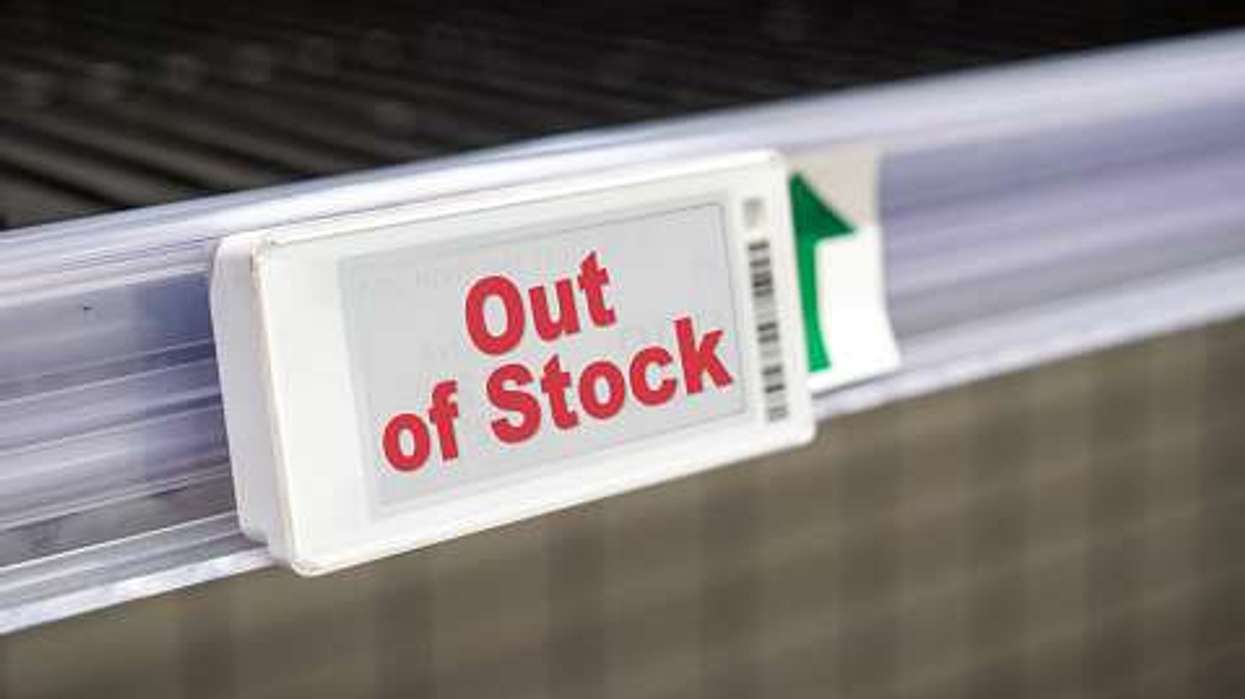
The latest crisis in the Middle East is expected to worsen the strain on the country’s medicine supply chains and aggravate the shortage of various drugs, which may cause distress to patients and even put their lives at risk.
The Independent Pharmacies Association (IPA) has warned the crisis could impact global supply chains through transport issues and make raw materials 'harder to source'.
Even before the crisis began, the drug supply situation was precarious with the UK government almost routinely announcing curbs on exports of various essential medicines as they were in short supply.
Some of these drugs include aspirin and co-codamol, which are widely used for various ailments. Blood pressure medicines like ramipril and propranolol and certain medications for epilepsy and depression have also been hit by shortages.
Nearly 80 percent of NHS prescriptions are generic medicines, and only 25 percent is made in the UK. The rest are sourced from India and China.
With the current Middle East crisis leading to the disruption of flights and sea routes, it is bound to have a severe knock-on effect on the generic drugs supply chain.
The rising oil prices is bound to increase transportation costs and make drugs even costlier.
IPA chief executive Dr Leyla Hannbeck has warned that the ongoing Middle East conflict will worsen shortages as pharmaceutical raw materials will become harder to source, energy costs will rise, and transport delays mount.
She said the government should act before things worsen and the patients suffer.
Hannbeck pointed out that shortages are fuelling a price rise. The pharmacists are either unable to buy, or are forced to buy out of pocket, as they don’t get matching reimbursement.
She said unless the government takes urgent remedial measures to strengthen the resilience of the UK medicines supply system, patients will “continue to feel the impact of supply disruption at the pharmacy counter."
The Telegraph has highlighted alarming level of shortages in mental illness medications, clomipramine, venlafaxine, fluoxetine (known in the brand name Prozac), lofepramine and mirtazapine, along with epilepsy and diabetes medications.
Similarly, Community Pharmacy Northern Ireland (CPNI) had recently warned about shortages of co-codamol and low-dose aspirin.
Parkinson’s UK has also highlighted that, “A recent European Association of Hospital Pharmacists survey reported that 95 per cent of hospital pharmacists across Europe were experiencing shortages.”
Earlier a House of Lords committee had stated in a report that medicine security must be treated as a national security issue and the government should strengthen supply chains.
The committee noted that a majority of active ingredients required for NHS medicines are controlled by China, India or other single sources.
This leaves UK patients at risk from reliance on fragile global supply chains, which could be affected by geopolitical changes, trade or national disasters in these regions.