






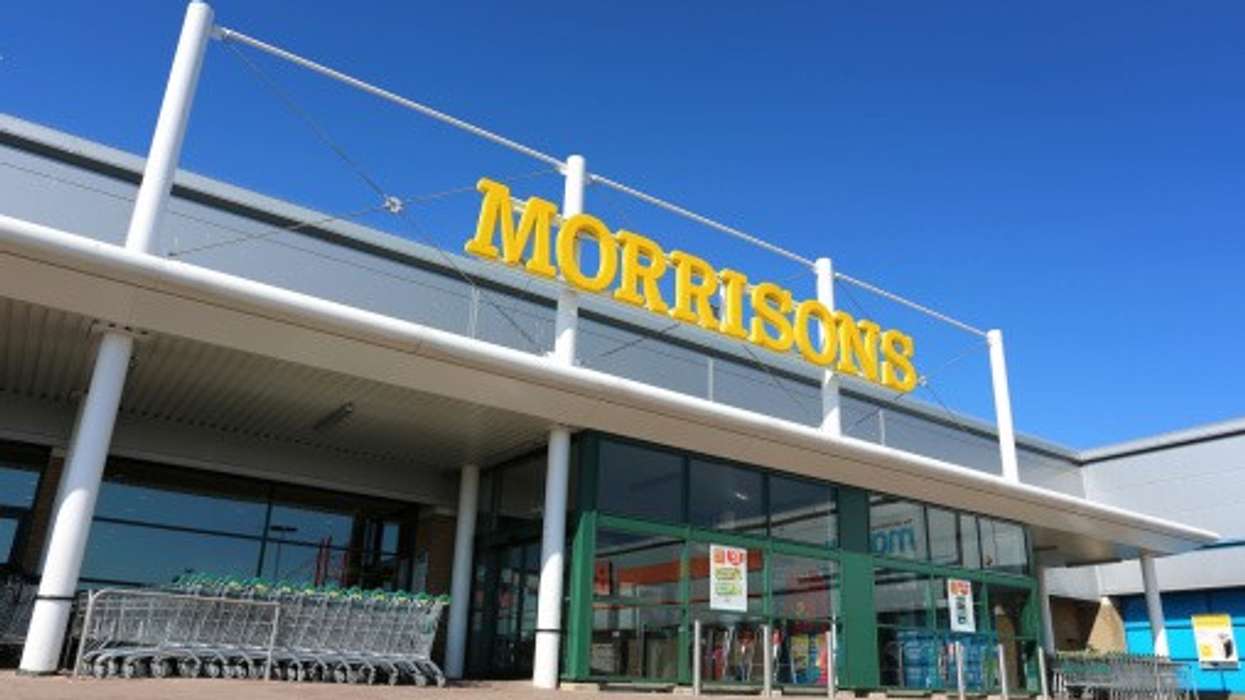

Supermarket chain Morrisons has decided to sell many of its in-store pharmacies as it looks to let go of unviable assets to cut expenses.
Morrisons is now promoted by private equity firm Clayton, Dubilier & Rice (CD&R), and it has decided to sell each pharmacy branch individually and not collectively.
Pharmacies would remain open in the stores, but would come under the new brand of any eventual buyer.
The customers are not expected to be impacted by the sales.
The new move is the latest step in Morrisons’ plan to streamline operations and refocus on its core supermarket business.
Morrisons had earlier reported a loss of £381 million, largely due to increased borrowing costs.
Chief executive Rami Baitieh has said the cuts are necessary to reinvigorate the supermarket chain, which is going through a difficult period.
Last year, it closed four pharmacies, along with 52 cafés, 17 convenience stores, 35 meat counters, and 13 florist sections, impacting 300 jobs.
The pharmacy sector in England is going through a major crisis with increasing expenses and insufficient NHS funding.
According to the National Pharmacy Association, around 1,400 pharmacies in England have closed down since 2017, depriving many communities of access to local pharmacy services.
The recent announcement by chancellor Rachel Reeves to raise business rates and the minimum wage is expected to add to the strain on community pharmacies.
Pharmacies under strain: CCA
The Company Chemists Association chief executive, Malcolm Harrison, said, “Morrisons has made us aware that they are looking to sell some of their pharmacy contracts.
"This is another stark reminder of the huge financial strain that the community pharmacy sector is under.
"The NHS’ own analysis confirms that there is a funding gap of around £2bn annually, confirming that the current funding provision is simply not sustainable. Despite a 14 percent uplift for 2025/26 and a 4 percent uplift the previous year, this has done little to reverse nearly a decade of real-terms cuts and rising operational costs. Pharmacies are still operating under a 20 percent real term cut in funding compared to a decade ago.
"The consequences of this adverse funding landscape are clear; since 2017 there had been a loss of 1,476 pharmacies, representing a 15 percent contraction in the network.
"It is clear the pressures on pharmacies have reached an unsustainable level. Without urgent investment, more pharmacies will be forced to reduce hours or close entirely. This will not only further restrict patients’ access to medicines and primary care, but it will place even more pressure on other areas of an NHS that is already struggling.”
Yet another warning: CPE
Community Pharmacy England CEO Janet Morrison said, “The news that yet another large business is having to sell community pharmacies will come as no surprise to those battling to survive in the current climate. The pressures on pharmacy businesses are extreme, and this news should be yet another loud warning signal for Government and the NHS: the impact of the £2 billion annual funding gap, along with other pressures, is leaving the vast majority of pharmacy businesses in real economic peril.
"Without intervention, we will see only more news like this, and worse. While large companies can take decisions like this to sell stores in order to cut costs, many independent and family business owners are trapped by debts, leases and the fact they have invested their own funds and pensions in order to keep their pharmacies open. Government must urgently develop a roadmap for community pharmacy’s future and make immediate progress towards a sustainable funding model.”