

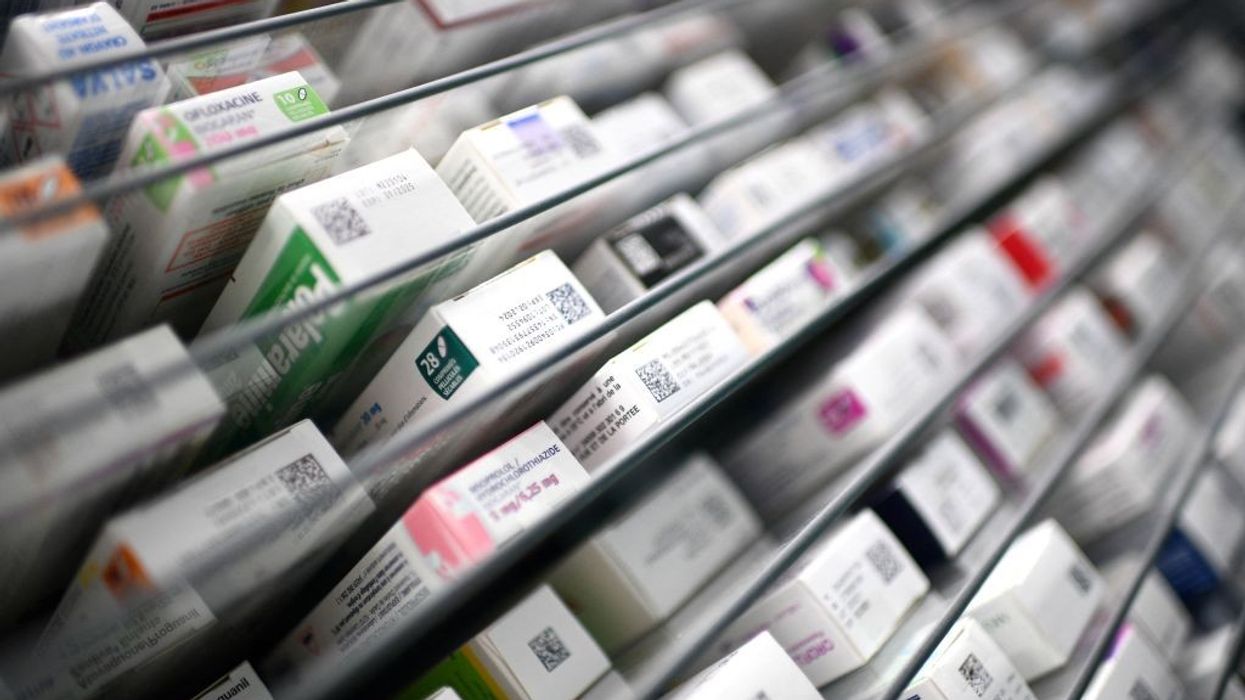

The NHS Confederation has called for greater clarity on the historic pharmaceutical pact between the United States and Britain.
Under the deal announced on Monday (1), the British pharmaceutical products being exported to the US will invite zero percent tariff, while Britain will have to spend more on medicines and overhaul how it values drugs.
However, it is not clear what this will cost the NHS, as drugs currently account for around 10 percent of the health budget.
Responding to the announcement, Dr Layla McCay, director of policy at the NHS Confederation, said, "Healthcare leaders know that a thriving health and life sciences sector is key to ensuring that patients can access the treatments and innovations they need, at the best value to the NHS, whilst also supporting economic growth.
"Medicines also have a key role to play in delivering the government’s three shifts for the NHS, including keeping people out of hospital.
"However, the NHS budget in England is under significant pressure from the rising demand for care, coupled with ongoing strike action, so we will need to understand how these higher drug prices will be paid for. Any uplift in medicine prices would need to be funded by HM Treasury.
"An increase in medicines spending that is funded within existing planned NHS budgets, presents risks to the quality of services to patients and could result in difficult decisions about what the health service needs to cut back on."
Daniel Elkeles, the chief executive of hospital group NHS Providers told The Guardian that it was not clear how the hike will be paid for.
“There is absolutely no slack in current published NHS spending plans for this major commitment and that is a real worry from trust leaders,” he said.
The Liberal Democrats have expressed concern about the deal.
The party's health spokesperson, Helen Morgan, said: “Trump demanded these pay rises to put Americans first and our government rolled over. Patients stuck on crammed hospital corridors or unable to get an ambulance won’t forget it.”
Sally Gainsbury, of the Nuffield Trust think tank, told the BBC that the agreement could lead to an extra £3 billion being spent on drugs, which was "bad news" given how stretched budgets were.
"The extra cost will need to be fully funded by the Treasury," she said.