







- Menopause, prostate and other common conditions will be treated online via the NHS App
- Patients can speak to specialists nationwide without hospital trips
- Digital care alongside face-to-face NHS services, not instead of them
The NHS has announced that menopause and prostate problems will be among the nine common conditions that will be treated by the NHS Online Service, when it launches services next year.
The new announcement is the first step in delivering the new NHS Online hospital, which will allow patients to consult a doctor at a convenient time without going to hospital.
NHS Online aims to harness digital technology to change how people are able to access healthcare, by ensuring that it is more personalized, convenient, and helps reduce healthcare inequalities.
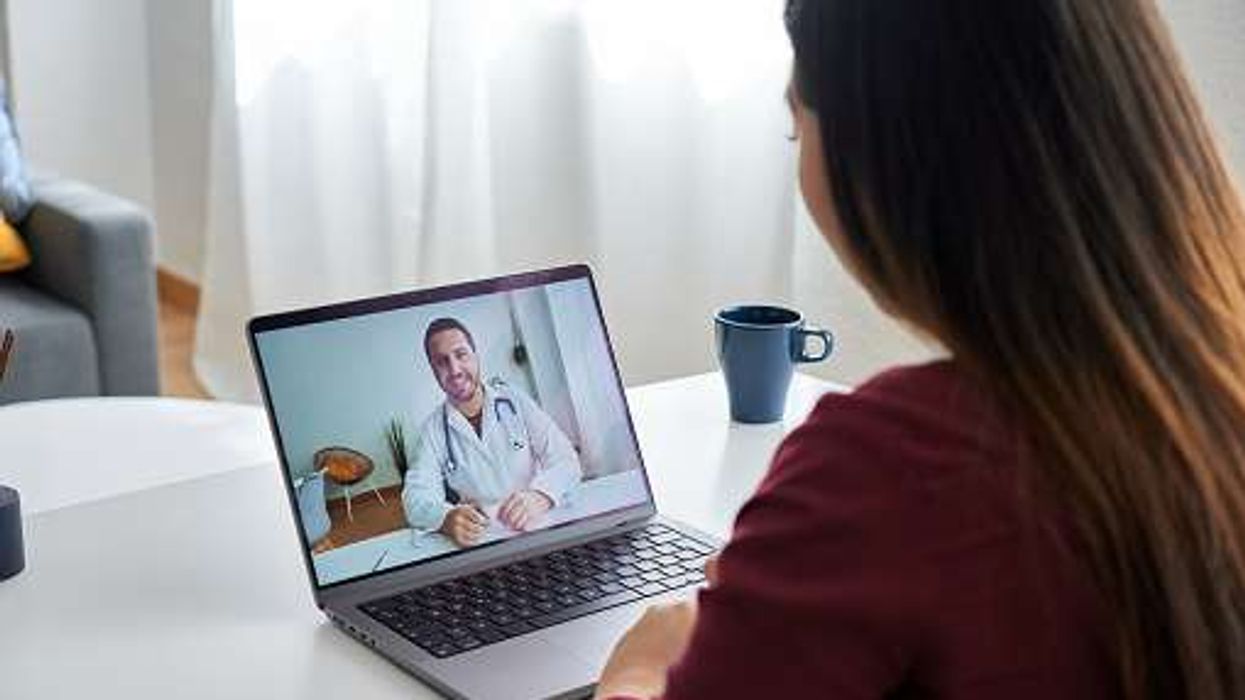
It will allow patients to be triaged quickly through the NHS App, and they can speak to doctors via video consultation, and get monitored from the comfort of their homes, and saving trips to hospital.
The service will also allow patients to connect with expert clinicians across England, irrespective of where they are based.
NHS Online will begin consultations from 2027, and is expected to deliver the equivalent of up to 8.5 million virtual appointments and assessments in its first three years.
This is four times more than an average NHS trust.
Women’s health issues including severe menopause symptoms and menstrual problems that can be a sign of endometriosis or fibroids will be available for online referrals.
Prostate problems like prostate enlargement and a raised prostate specific antigen (PSA) level will also be covered by the service.
It will also include eye conditions including cataracts, glaucoma and macular degeneration.
However, NHS Online won’t replace traditional care, and patients will have the choice of face-to-face appointments.
Those who need physical examinations or procedures will continue to receive them either at hospital or local hubs nearby.
Once the GP refers to a specialist, the patients will have the option of using NHS Online.
Instead of having a physical site, patients will be able to receive care from doctors around the country directly through the NHS App.
Tests, scans or procedures will continue to take place at healthcare sites closer to patients’ homes, while clinicians will be able to review their notes remotely.
This streamlines the process and allows patients to move quickly from referral to treatment to follow-up care.
Health secretary Wes Streeting said, “NHS Online will make accessing healthcare as simple as ordering a cab or a takeaway - fundamentally changing how people interact with the NHS for generations to come.”