







Key Summary
- More ambulances, faster help when people need urgent care this winter
- Safer, modern vehicles supporting paramedics and protecting patients
- Long-term investment to strengthen emergency services across England
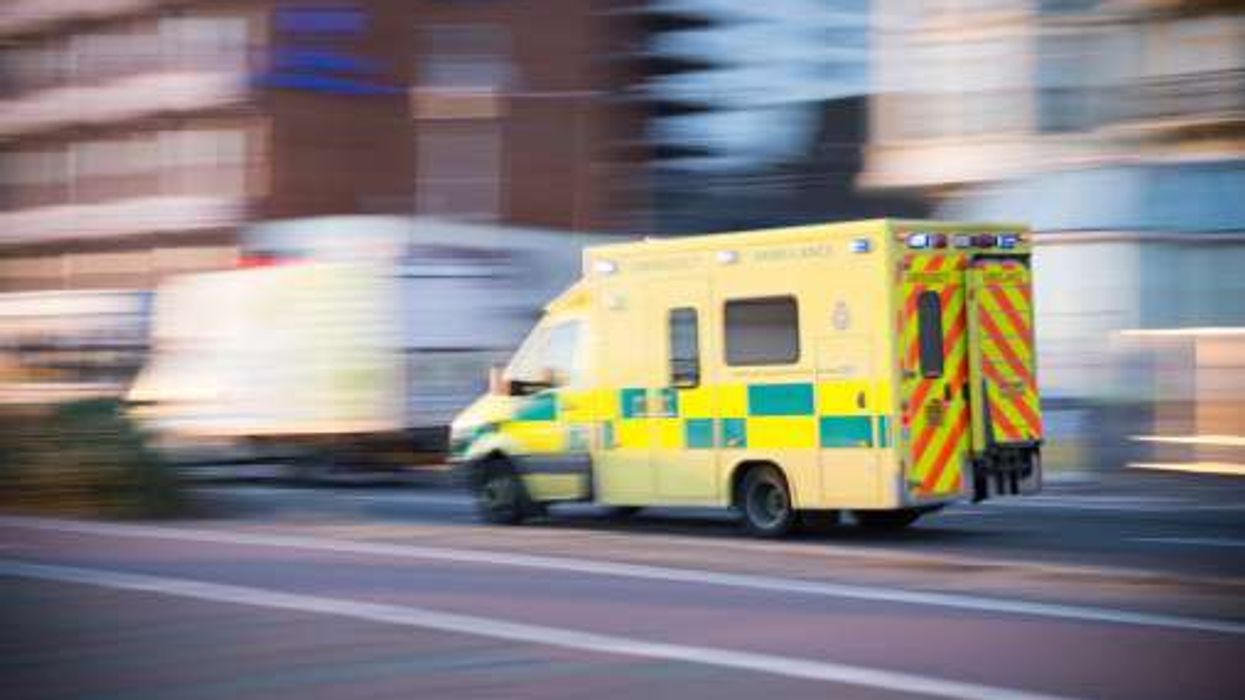
The NHS deployed over 500 new ambulances across England amid the winter pressures, including an early flu peak and the effects of recent industrial action.
The new double crew ambulances will replace the old ones ensuring faster response and strengthen the frontline emergency services.
The new vehicles have modern safety technology and offer better patient protection.
They also facilitate urgent care delivery from paramedics.
The new ambulances are more fuel efficient and less prone to breakdowns.
The government would further invest £412 million over the next four years to continue renewing the ambulance fleet and modernising emergency services.
Health secretary, Wes Streeting, said, “When someone dials 999, they should get help fast - not be left waiting because of creaking kit or preventable delays.”
“I want to thank NHS staff for their extraordinary dedication this winter. They are going above and beyond for patients, often in incredibly tough conditions, and this government is backing them with the modern equipment they need to do their jobs safely and effectively,” he added.
“This new fleet of ambulances are a crucial link between providing patient care whether at home, in transit or at an emergency department and are a real boost at a time when staff are working incredibly hard and emergency care is under considerable pressure,” said NHS national director for urgent and emergency care, Sarah Jane Marsh.
The government’s Urgent and Emergency Care Plan will soon implement funding in 40 new same-day emergency care and urgent treatment centres along with 15 mental health crisis assessment centres.
“The new ambulances include a range of design improvements that enhance patient care and staff safety,” reminded Jason Killens KAM, chair of the Association of Ambulance Chief Executives and chief executive of London Ambulance Service.
He added, “They are lighter, more fuel‑efficient and produce fewer emissions, while supporting paramedics to deliver urgent care more effectively.”