







The National Institute for Health and Care Excellence (NICE) has come out with a draft guidance stating that eight digital platforms help people better manage asthma and provide them personalised support.
NICE, however, said that these technologies work alongside regular healthcare appointments, not as replacements, and that it would collect further evidence over the next three years.
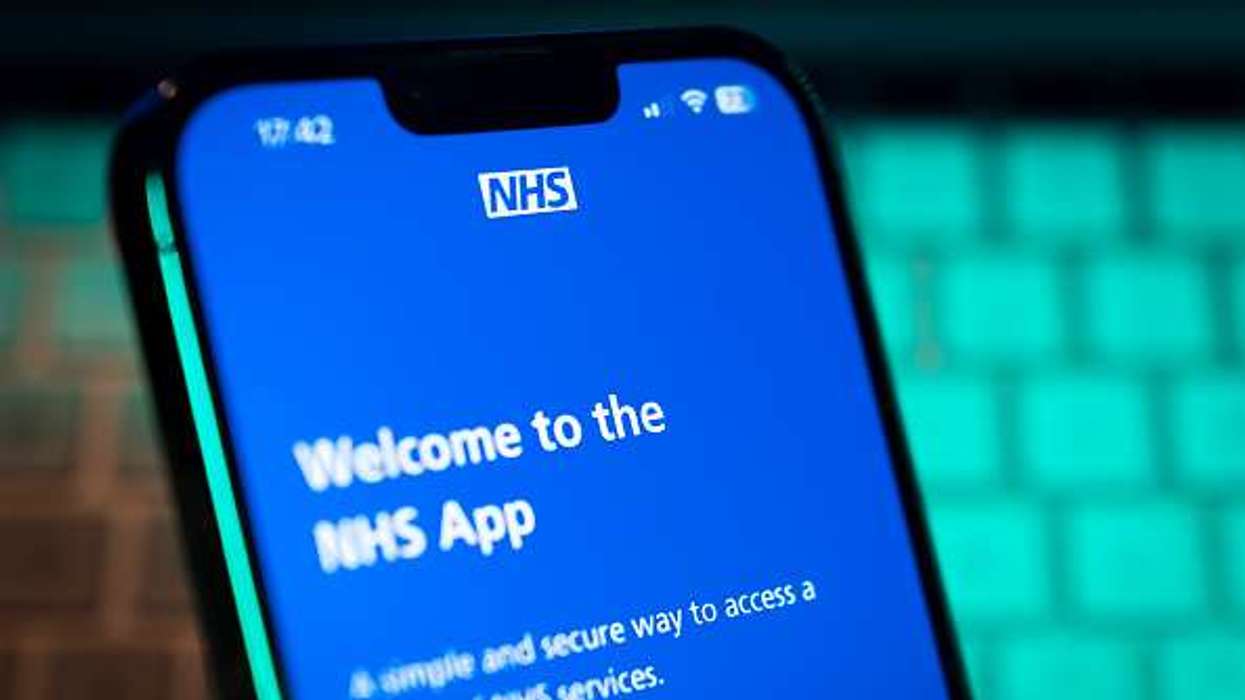
The platforms offer users the option to utilise apps or online tools, which can be accessed via smartphones or tablets.
The eight recommended platforms are: Asthmahub, Asthmahub for parents, AsthmaTuner, Digital Health Passport, Luscii, myAsthma, RDMP (Respiratory Disease Management Platform), and Smart Asthma.
Each technology includes a digital personalised asthma action plan that guides users on what to do when symptoms change, along with tools to track symptoms and medication, receive reminders to take inhalers, and access educational content, including videos on inhaler technique.
Some platforms can share information with GPs or nurses to make appointments more efficient. The technologies are designed for different groups – some for adults, others for children and young people, with versions available for parents and carers.
Many people struggle with paper-based action plans, which can be easily lost or forgotten, and some find it difficult to use their inhalers correctly or remember to take their medication.
In the UK, asthma affects around 5.4 million people, which is around one in every 12 adults and one in every 11 children.
When poorly controlled, it can lead to emergency hospital visits and avoidable deaths.
After the three-year evidence generation period, NICE will decide whether to recommend them for routine use across the NHS.
NICE HealthTech programme director Dr Anastasia Chalkidou said, "Our independent committee has rigorously assessed the evidence for these digital technologies and concluded they show real promise in helping people better manage their asthma.
"By recommending earlier access to these innovations while further evidence is gathered, we're driving transformational care into the hands of patients and healthcare professionals faster – while ensuring value for the NHS."
Spirometry testing
NICE has also published separate draft guidance on digital technologies that use algorithms to support the diagnosis of asthma and chronic obstructive pulmonary disease (COPD) through spirometry testing.
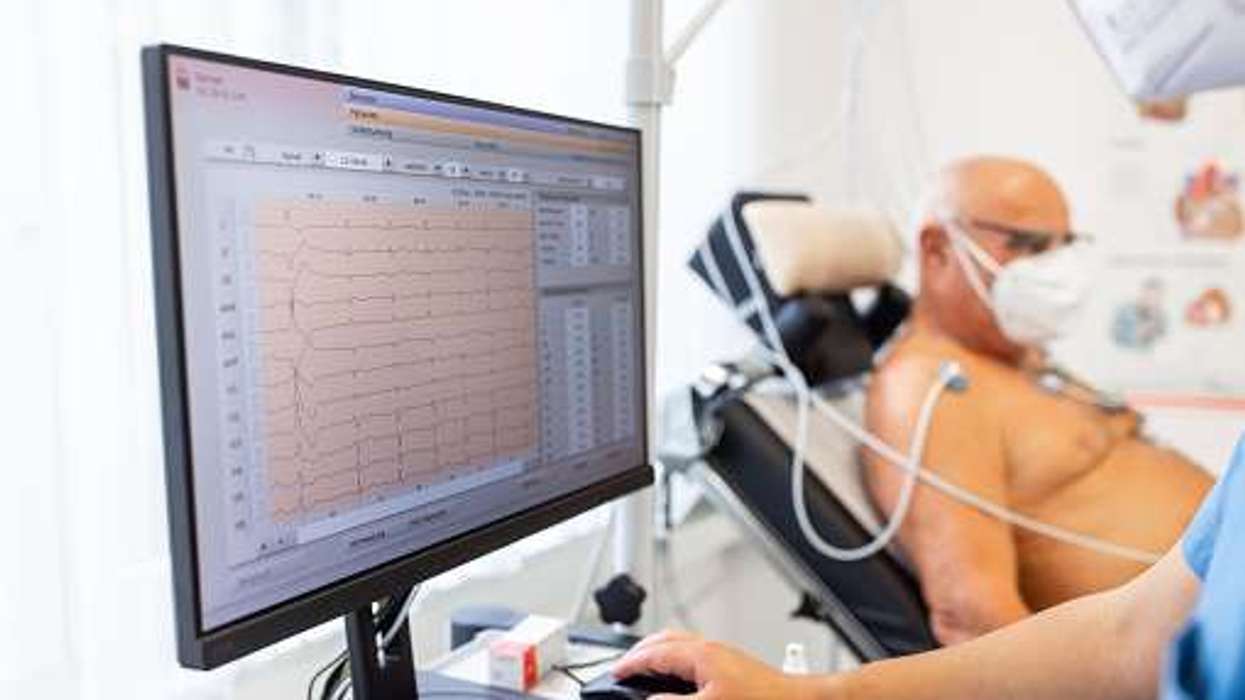
Spirometry is a breathing test that measures lung function and is used to diagnose lung conditions.
The draft guidance recommends that ArtiQ.Spiro can be used in the NHS during an evidence generation period in GP surgeries and community diagnostic centres.
It, however, said that four other technologies – EasyOne Connect, GoSpiro, LungHealth and MIR Spiro – need more research before they can be recommended for NHS use.
These digital tools use artificial intelligence to check the quality of spirometry tests, interpret the results and help guide diagnosis decisions.
They could allow less experienced staff to perform and interpret spirometry tests.
Both sets of draft guidance are open for consultation until 21 January.