




Key Summary
- Certain non-sterile alcohol-free wipes should not be used due to infection risk.
- The risk is mainly to vulnerable people with weakened immunity and health conditions.
- Only use wipes clearly labelled sterile and follow NHS advice.
The UK Health Security Agency (UKHSA) and the Medicines and Healthcare products Regulatory Agency (MHRA) are warning the public not to use four non-sterile alcohol-free wipe products to stay safe from Burkholderia stabilis.
The alert was declared after a few cases of the infection were recorded in February this year.
There have been 59 confirmed cases of the infection caused by non-sterile alcohol-free products between January 2018 and February 2026.
Burkholderia stabilis is a less dangerous bacteria found in natural environments that does not transfer from person-to-person.
It is harmless for healthy individuals, however, it is risky for immunocompromised individuals who are suffering from cystic fibrosis and patients at home with intravenous lines, etc.
ValueAid Alcohol Free Cleansing Wipes, Microsafe Moist Wipe Alcohol Free, Steroplast Sterowipe Alcohol Free Cleansing Wipes and Reliwipe Alcohol Free Cleansing Wipes are the four specific brands that the UKHSA and MHRA had warned should not be used under any circumstances.
The MHRA issued notices to the sellers in July, resulting in their withdrawal from sale.
However, some of these products still remain in some first aid kits and in people’s homes.
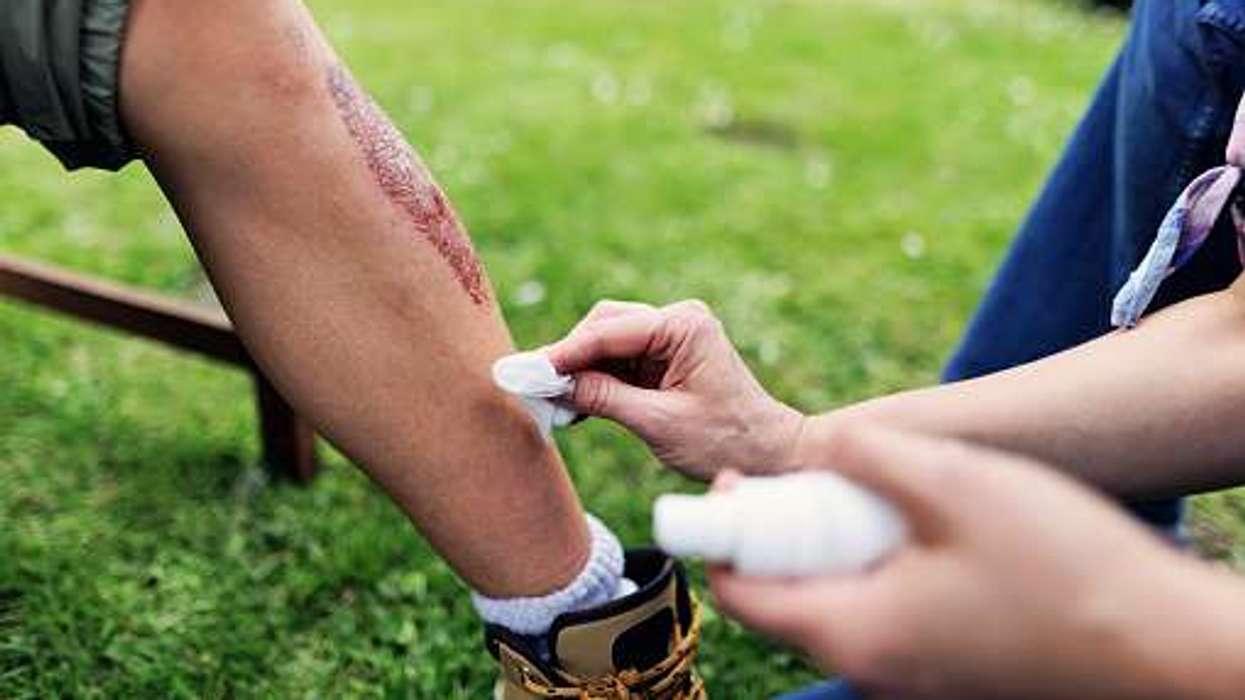
In addition, UKHSA and MHRA has said that non-sterile alcohol-free wipes of any type or brand should not be used for first aid, applied on broken or damaged skin and should never be used for cleaning intravenous lines.
“UKHSA uncovered the link to this outbreak through testing of wipes used by those affected and worked quickly to notify health professionals through a patient safety alert in June 2025. We have provided a further update to reinforce infection prevention and control guidance,” commented Dr James Elton, consultant in epidemiology and public health at UKHSA.
“When treating injuries or cleaning intravenous lines, it is important to follow NHS advice,” he added.
Dr Alison Cave, MHRA chief safety officer said, “Patient safety is the MHRA’s top priority. The MHRA issued notices to sellers of specific products in July, resulting in their withdrawal from sale.”
Dr Cave added, “If you have any wipes at home or work, double check they are labelled ‘sterile’ before using on broken skin. Follow the advice of your clinical team, GP or community nurse in the care of your intravenous line.”