




Key Summary
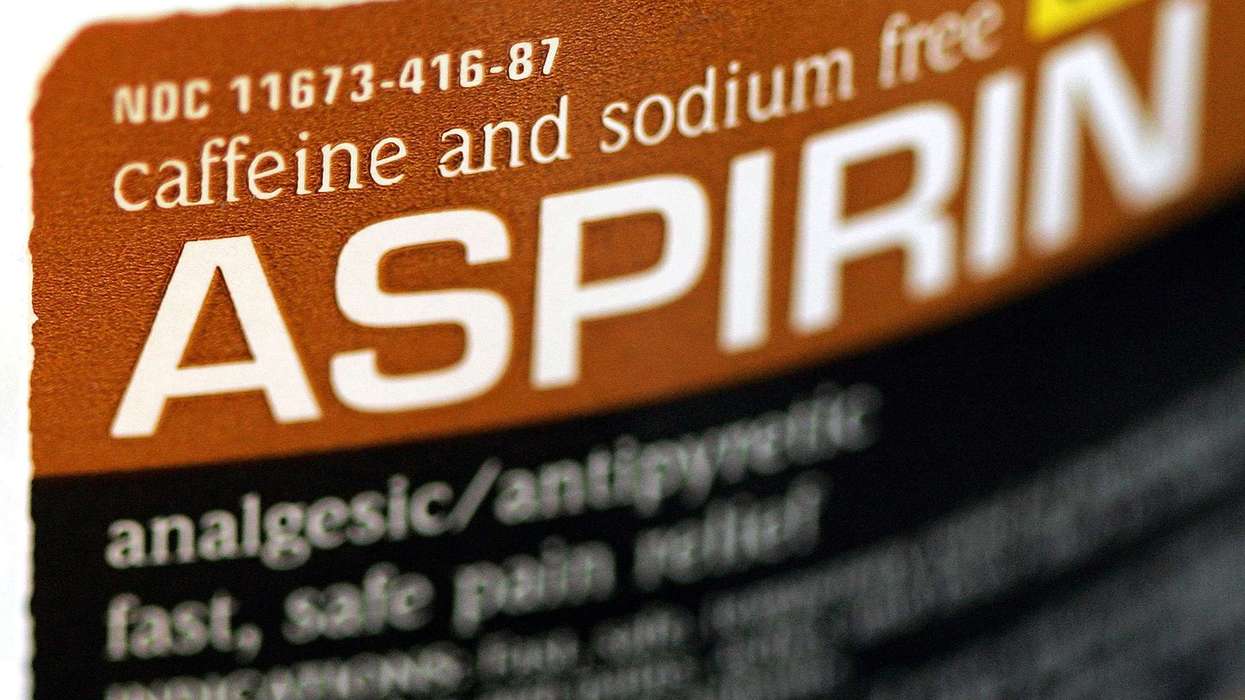
- The NPA surveyed 540 pharmacies, and 86 per cent claimed they were unable to supply aspirin to their patients.
- Due to shortages, the cost of aspirin 75mg dispersible tablets has gone up from 18p per packet to £3.90.
- Many pharmacy owners said they have stopped selling aspirin over the counter.
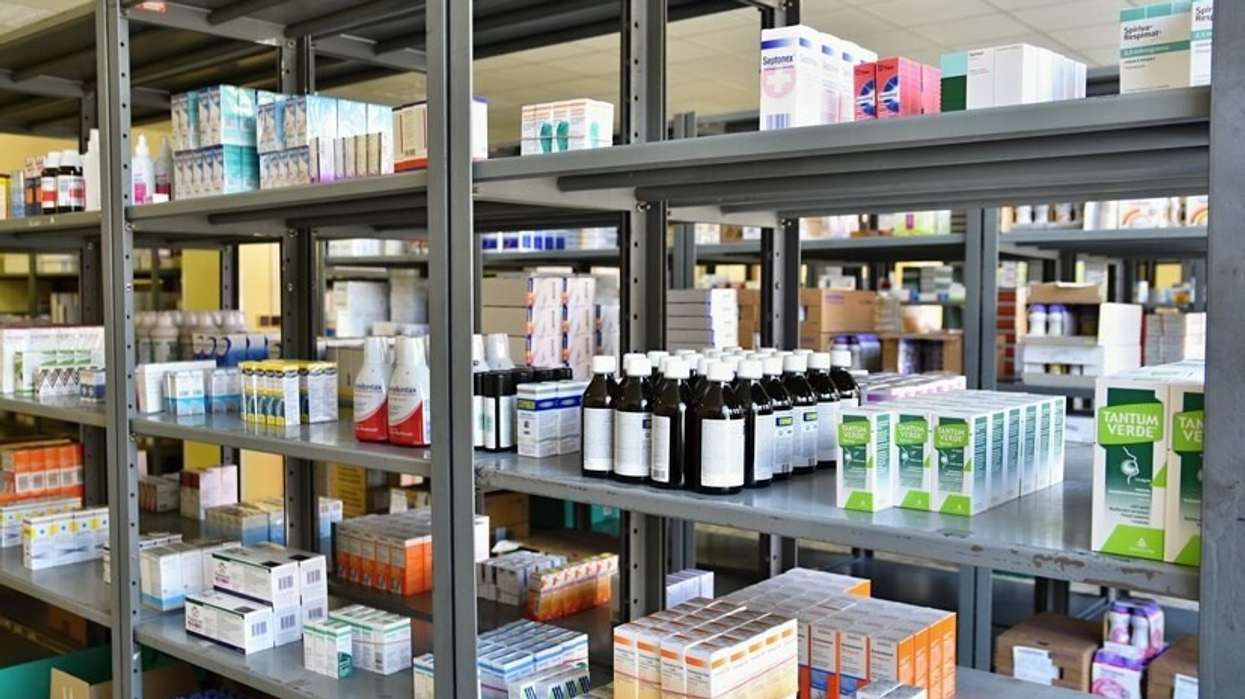
A snap survey by the National Pharmacy Association (NPA) has found that pharmacies across the UK are facing a widespread shortage of low-dose aspirin, a vital medicine for heart and kidney patients.
The NPA surveyed 540 pharmacies and 86 per cent claimed they were unable to supply aspirin to their patients last week (13-20 January).
To shore up the supply, the government banned the export of aspirin on Saturday (17) and made it illegal to hoard stocks inside the UK.
Patients needing a regular supply of dispersible aspirin include those with a history of strokes, heart disease, chronic kidney disease and diabetes.
Pharmacies have told the NPA that they have been tightly rationing supplies of aspirin for those patients with the most acute heart conditions or those in need of emergency prescriptions.
Several pharmacy owners also said they have stopped making aspirin available for over-the-counter sales.
Between January and October 2025, 50.9 million items of aspirin were prescribed in the UK, making it one of the most commonly prescribed drugs in the country.
The NPA, which has 6,000 members, is urging the government to accelerate plans to scrap dangerous and antiquated legislation that prevents pharmacists from making substitutions to prescriptions where a prescribed medicine is out of stock.
The current rules, introduced in 1968, forbid pharmacists from switching a prescription from tablets to capsules or even the flavour of liquid medication.
NPA analysis also shows the price of aspirin has soared in the last two months due to the shortages, with a packet of Aspirin 75mg dispersible tablets going from 18p earlier last year to £3.90 this month.
The NHS only reimburses £2.18 a packet, and pharmacies have to incur a loss of £1.72.
The NPA has called on the government to reform the broken pharmacy contract, which regularly leaves pharmacists dispensing NHS prescriptions at a loss.
NPA chair Olivier Picard said, "We're concerned about reports of pharmacies being unable to order in stocks of aspirin and the implications this might have for the patients they serve.
"For those pharmacies that can get hold of supply, costs will far exceed what they will be reimbursed by the NHS, yet more signs of a fundamentally broken pharmacy contract in desperate need of reform by the government.
"We've long called for pharmacists to be able to make substitutions where a medicine is not in stock and it is safe to supply an alternative.
“The status quo is not only frustrating for patients, it is also dangerous.
“It is madness to send someone back to their GP to get a prescription changed when a safe alternative is in stock. It risks a patient either delaying taking vital medication or forgoing it altogether, which poses a clear risk to patient safety."
Kidney Care UK policy director Fiona Loud said, “Cardiovascular diseases are closely linked to chronic kidney disease (CKD), so some people with early stages of CKD are prescribed low-dose aspirin to help reduce the risk of strokes and heart attacks.
"This is often prescribed under supervision because there can be an increased risk of bleeding, so the benefits of the medication have to be assessed against potential risks. Where there are potential medicine shortages affecting commonly prescribed items like aspirin, we believe that pharmacists should have leeway to substitute commonly prescribed medications.
"There is precedent for this, having seen protocols put in place when the UK left the EU and during the Covid-19 pandemic, both occasions when the supply of certain medicines was at risk.
"It is also important that alongside this, there is clear communication from primary care around the medications people are taking, and why any changes are being applied, along with the opportunity for people to ask any questions or raise any concerns they may have.”
The Independent Pharmacies Association (IPA) and Community Pharmacy England (CPE) have also raised concerns about the shortage of Aspirin and other essential medicines.
The UK stocks of aspirin have been hampered by delays in production, the bulk of which happens in India.
Industry watchers also claim that since the NHS buys aspirin at a very low price, manufacturers prioritise other countries to sell their medicines.