




Key Summary
- 96 percent of women have experienced painful periods at some point of their lives
- Nearly two thirds (60 percent) have taken time off work or education because of disruptive periods
- Nearly half (49 percent) of them wrongly believe they have to accept period problems
Almost every woman has experienced a painful period at some point of their lives, and they affect their wellbeing, professional life and relationships, but not many are comfortable discussing it, says a report by Evana and Ultravana.
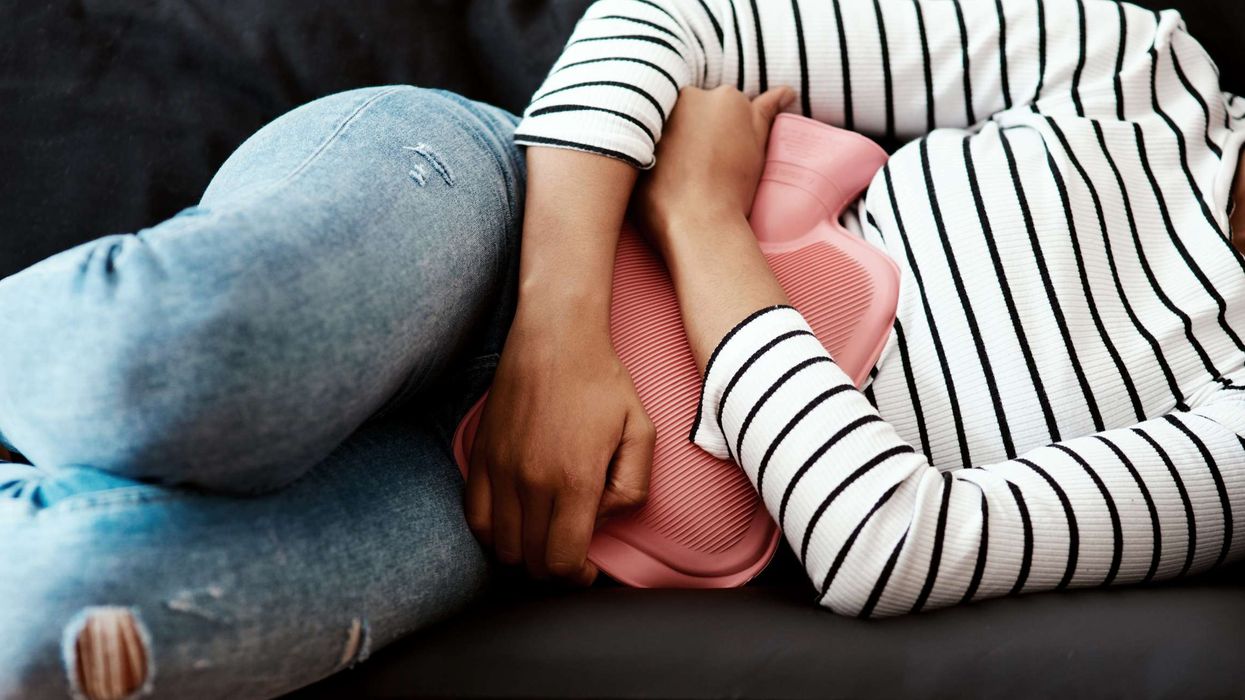
The report, titled ‘Don’t Go With the Flow’, says 96 percent of women have experienced painful periods, with almost a quarter (24 percent) describing the pain of an average period as ‘severe’ or ‘unbearable’.
Nearly seven out of 10 women (66 percent) claimed that period pain was their most common symptom, and over half (51 percent) of them felt they missed out on things because of their periods.
Around half of them (48 percent) leak onto their underwear, and 37 percent experience heavy blood loss.
More than half of them (56 percent) experience mood swings, and 42 percent have to deal with headaches and migraines.
Dr Nisa Aslam, who co-authored the report, said, “Of course, menstruation is part of being a woman, but they shouldn’t be so disruptive that life needs to change. Particularly as women have around 450 periods over the course of their lifetime!
"Nearly half (49 percent) of women wrongly believe they have to accept period problems, but this is simply not the case.”
Dr Janine David, the other co-author of the report, said, “According to the research, only two in five women (40 percent) report feeling ‘very comfortable’ discussing periods with their mother or a female friend, and only 27 percent are very comfortable discussing it with a doctor, so this report finally allows women to get an insight into exactly how other women might be feeling.”
Impact Of Periods
Apart from physical discomforts, periods also get in the way of relationships, wellbeing and general life.
Nearly two-thirds (60 percent) of women have taken time off work or education because of disruptive periods, and 70 percent have had to make their excuses to leave a situation to change their period protection.
There’s also the one in five (21 percent) who admit to having cancelled social plans because of their period.
As well as this, a third (33 percent) report that they are sometimes tearful and 24 percent note low sex drive as a problem.
Sadly, 17 percent of respondents acknowledge that period health issues have created tension with a partner and one in 20 (5 percent) admit that it has in fact led to a relationship breakdown.
There’s also the 16 percent of women who say that their periods have impacted their performance at work.
Pharmacist Sukhi Basra wants more women to seek help and advice on period health from healthcare professionals.
She explains: “It’s more than clear how periods can be extremely disruptive to daily life. Some women will go through this, month after month and just deal with it as though it’s normal. But it’s not.”
While 28 percent of women feel they can do nothing about periods, and don’t like to discuss it, Basra says a lot that can be done.
Move gently: Gentle movement, such as yoga and walking, could actually reduce discomfort.
Dr Aslam says, “Light exercise increases blood circulation, releases feel-good chemicals called endorphins, and helps to ease stress. You don’t need to push for a hard workout; even ten minutes of walking in the fresh air can relax tense muscles and lift your mood.”
There is some evidence that magnesium deficiency may play a role in premenstrual syndrome (PMS) and period pain.
Hence, eating magnesium-rich foods may help support magnesium intake. Foods such as pumpkin seeds, spinach, peanuts and almonds are high in magnesium.
Even dark chocolate (over 70 percent cocoa) is a good source of magnesium.
Dr Janine David says limiting caffeine and salty processed foods could also reduce symptoms such as bloating and mood swings.
Signs of heavy blood loss
Dr Aslam says it is difficult to measure blood loss; there are some indicators.
- Needing to change your pad or tampon every 1 to 2 hours, or empty your menstrual cup more often than is recommended.
- Having to use both a pad and a tampon, or a pad and a menstrual cup.
- Periods that last for more than a week.
- Blood leaks through to your clothes or bedding despite wearing period protection.
- Avoiding daily activities, such as exercise, or taking time off work because of your periods.
- Feeling tired or frequently being short of breath – which can be symptoms of iron deficiency.
The report found that eight out of ten (81 percent) have experienced an embarrassing leak at some time, and sadly, more than a third (35 percent) have stayed home rather than run the risk of a leak.
Basra says heavy periods could be a sign of an underlying condition such as polyps, fibroids, or endometriosis.
"So it’s important to speak to a healthcare professional if you suspect your periods are too heavy.”
Taking an over-the-counter medication like Evana Heavy Periods Relief 500 mg tablets or Ultravana Period Pain Relief 250 mg could provide relief to women aged 18 to 45, they added.