






The National Pharmacy Association (NPA) has welcomed the report by the Terrence Higgins Trust, which calls for pharmacies to be used to roll out pre-exposure prophylaxis (PrEP) vaccinations that can prevent the spread of HIV.
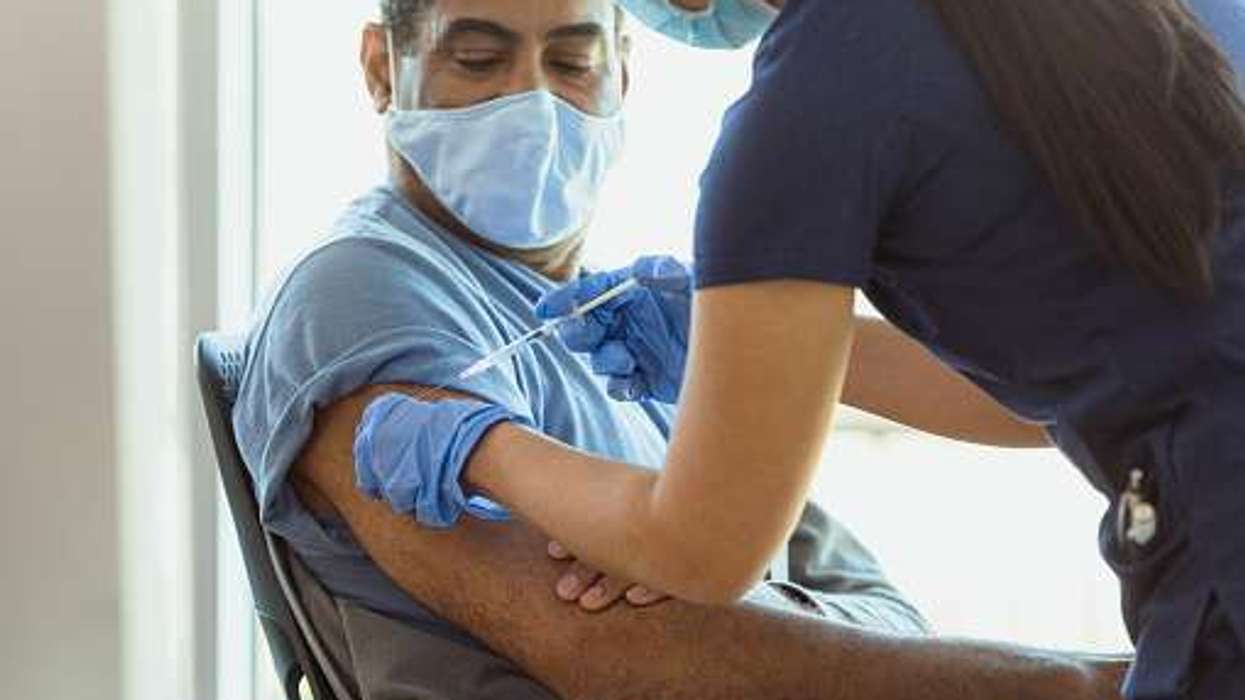
The NPA chief executive, Henry Gregg, said, "Pharmacies already provide vaccinations to patients for flu and Covid, making them more accessible and increasing uptake among groups who are less likely to get vaccinated.
"Convenient and based on people's doorsteps, pharmacies make it quick and easy for people to protect themselves and their loved ones.
"With the right funding, it makes sense for the government to also use pharmacies for PrEP vaccinations, helping those who need it the most get the protection they need from this life-changing illness."
HIV damages the cells in the immune system and, if left untreated, weakens the ability to fight everyday infections and disease, which can result in serious illness and death.
The PrEP vaccination was cleared by the National Institute for Health and Care Excellence (NICE) in October and is currently available in sexual health clinics.
The new preventative therapy, given every two months, can shield people who are HIV-negative from acquiring the virus.
If a person is exposed to it, the injection works by blocking an enzyme called integrase, which HIV needs to make copies of itself.
This stops the virus from multiplying in the body and becoming an established infection.
This treatment aims to suppress the virus particles in the blood, known as the viral load, to 'undetectable levels' so low that it cannot be detected by laboratory tests.
This would mean that it is no longer attacking the immune system and cannot be transmitted to sexual partners.
The NHS is aiming to make England the first country in the world to end HIV transmissions by 2030.
The UK Health Security Agency's 2024 HIV surveillance report shows that new diagnoses have dropped 4 percent nationwide.