







Key Summary
- The letter has been signed by 3,200 independent pharmacies, about one third of pharmacies in England.
- It warns that pharmacies "are at real risk of imminent closure due to intolerable financial pressures".
- A recent NPA survey found that at least 65 per cent of pharmacies in England are operating at a loss in 2025.
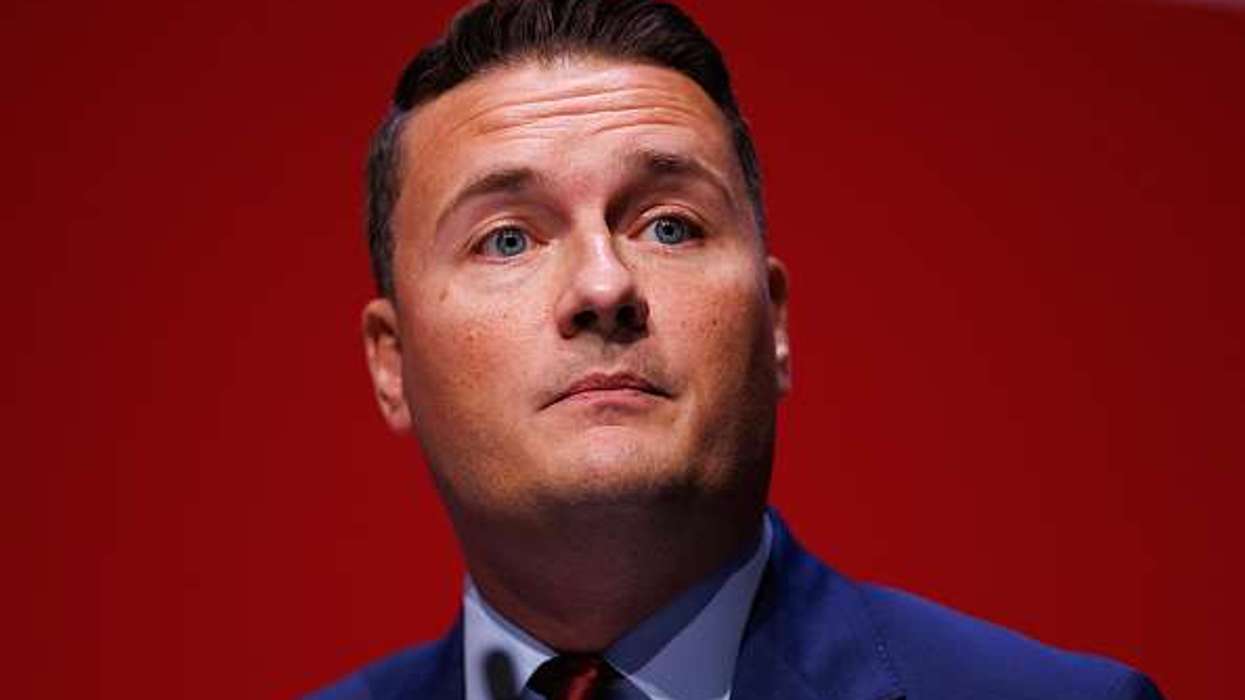
In an unprecedented collective step, thousands of pharmacies in England have written to the health secretary Wes Streeting that they are forced to make 'agonising decisions' about what services to cut to 'keep their doors open’, when new costs hit in April.
The letter, signed by 3,200 independent pharmacies, about one third of pharmacies in England, has warned that pharmacies "are at real risk of imminent closure due to intolerable financial pressures… blowing an enormous hole in the 10 Year Plan before it has even begun".
As Ministers consider their 2026 funding offer to pharmacies, the letter urged the health secretary to "keep [his] promise to stabilise pharmacy funding so we can deliver for the NHS".
The letter stated that Streeting’s "ambition to reform the NHS to bring care closer to communities "is what we have devoted our careers to" but that "too many of us are left taking out loans, maximising overdrafts and raiding pensions" to keep pharmacies afloat.
"Pharmacies are routinely subsidising NHS prescriptions – despite our work to save the NHS billions by driving down medicine prices. That is simply not right."
The letter comes shortly after the NPA survey found that at least 65 per cent of pharmacies in England operated at a loss in 2025, leaving them at heightened risk.
Pharmacy closures have continued at the rate of over one a week last year despite receiving the first funding rise in years. Eight pharmacies in England shut permanently in January alone.
The letter pointed out that a looming cliff edge of spiralling costs imposed by the government, including business rate rises and minimum wage increases, is due to hit pharmacies in April on top of historic funding cuts, adding to the risk that patients could lose their local pharmacy.
The NPA survey also found that 95 per cent of pharmacies were not in a financial position to be able to support the government's ambitions to move care into the community as outlined in the 10 Year Plan.
Meanwhile, an analysis of the latest closure numbers found that deprived areas with high health needs saw the highest rates of pharmacy closures between 2022 and 2025.
The highest number of closures weighted by population were at Liverpool, followed by Blackpool, Coventry and Hull.
The pharmacy network in England now stands at its smallest since 2006, with West Berkshire being the nation’s pharmacy desert, with over four times fewer pharmacies per head of population than Westminster, the area with the highest.
The National Pharmacy Association, who represent around 6000 independent pharmacies, have urged the government to deliver an above-inflation funding uplift. They are calling on the government to reform the broken pharmacy contract that forces them to subsidise the cost of the nation’s medicines.
"We do not want to make the agonising decisions about whether the pharmacy can stay open or what services to cut in April.
"Instead, we want to look to a more sustainable future, delivering more and taking pressure away from the wider NHS family," the letter stated.
NPA chair Olivier Picard said, “The fact that so many pharmacies operate at a loss should set off serious alarm bells in Government about the stability of medicine supply on which millions of people depend.
“Pharmacies serving millions of patients are at real risk of closure as a tsunami of new costs arrive, and are faced with agonising decisions about how they can continue.
"Without urgent action, millions of patients risk losing the most accessible part of the NHS; their local pharmacy. This is now a question of patient access and NHS resilience, not just pharmacy funding.
“As people at the very front line of the neighbourhood NHS we want to deliver on the government’s ambitions for health and give more services to patients to take pressure away from the rest of the NHS family.
“But Wes Streeting’s plans to bring care to communities won’t happen if he allows pharmacies to continue closing and those that remain are propped up by pharmacy owners remortgaging their own homes or raiding pension pots.
“We took a step forward last year and we want Wes Streeting to honour his promise to thousands of pharmacies to provide us with the stability we need to invest in the future.”
Community pharmacies at breaking point: CCA
Malcolm Harrison, chief executive of the Company Chemists’ Association (CCA) said: “Many community pharmacy businesses are at breaking point. Years of rising costs and sustained underfunding are forcing them into impossible decisions - cutting services, reducing opening hours, or closing altogether.
"The recent 4 percent increase in funding for 2024/25 and the 14 percent uplift for 2025/26 offered a little respite but was insufficient to offset the financial pressures built up from almost a decade of real‑terms cuts, or the growing pressures of rising NHS workloads.
"The sector is operating within a funding model that no longer reflects the true cost of delivering NHS pharmaceutical care. The NHS’ own economic review has established that there is an annual shortfall in funding of at least £2 billion.
"Pharmacies are being forced to scale back levels of access and service because current funding simply does not meet the costs of providing them.
"At the heart of this issue are patients. Without urgent investment to stabilise and sustain the sector, patients risk facing an erosion of access to medicines, advice, and essential care through pharmacies. A sustainable funding model is critical to safeguarding the future of community pharmacy and ensuring these vital services can continue.
"If investment is not forthcoming, the government’s ambition to bring healthcare closer to communities will fail before it has even had a chance to succeed. The government must deliver on its commitment to stabilise the sector.”