








Key Summary
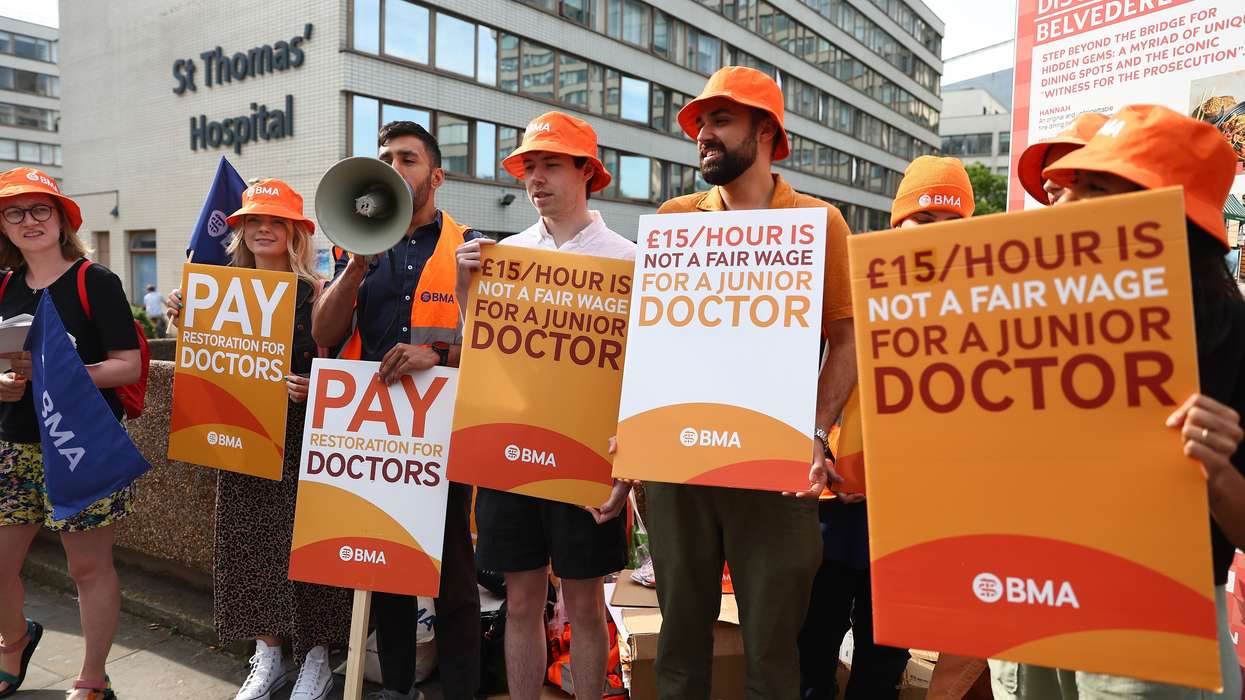
- The voter turnout was 53 percent, and 93 percent (26,696) voted for continued strike actions.
- The doctors' dispute started in spring 2023 and has led to 14 separate strikes.
- RDC chair Dr Jack Fletcher observed that the overwhelming votes need not mean more strikes, if the government takes a responsible approach.
Resident doctors in England have voted in favour of industrial action for another six months, demanding pay restoration and more training posts.
The voter turnout was 53 percent, and 93 percent (26,696) voted for continued strike actions.
The Resident Doctors Committee (RDC) has urged the Government to act immediately to prevent further strikes.
RDC chair Dr Jack Fletcher said, “Ministers cannot be shocked that 93 percent of doctors have voted to strike after being recommended a pay cut this year by the same health secretary who promised a journey to fair pay."
“And without thousands more training posts, the bottlenecks in medical training are going to continue to rob brilliant young doctors of their careers."
Fletcher observed that the overwhelming votes need not mean more strikes if the government takes a responsible approach and timely action.
A deal can happen through goodwill on both sides in the interests of patients, staff and the whole NHS, he added.
Resident doctors have received pay rises totalling nearly 30 percent in the past three years, but the BMA argues that it is still lower than 2008 levels, once inflation is taken into account.
The doctors' dispute started in spring 2023 and has led to 14 separate strikes.
Matthew Taylor, interim chief executive of the NHS Confederation and NHS Providers, expressed disappointment over the resident doctors move and said it will have an adverse impact on patients, health services performance and finances.
“Further strikes will pile yet more unplanned costs on NHS organisations, forcing health leaders to make difficult choices over reducing staff and patient services to try to balance their books.
“The government and NHS are already working hard to improve the working lives of resident doctors, including introducing the Medical Training (Prioritisation) Bill.
"Health leaders would urge resident doctors to reflect on the impact of further industrial action on patients, the difficult financial backdrop we’re operating in, and the generous pay rise that has already been offered to them by the government before staging more walkouts."