

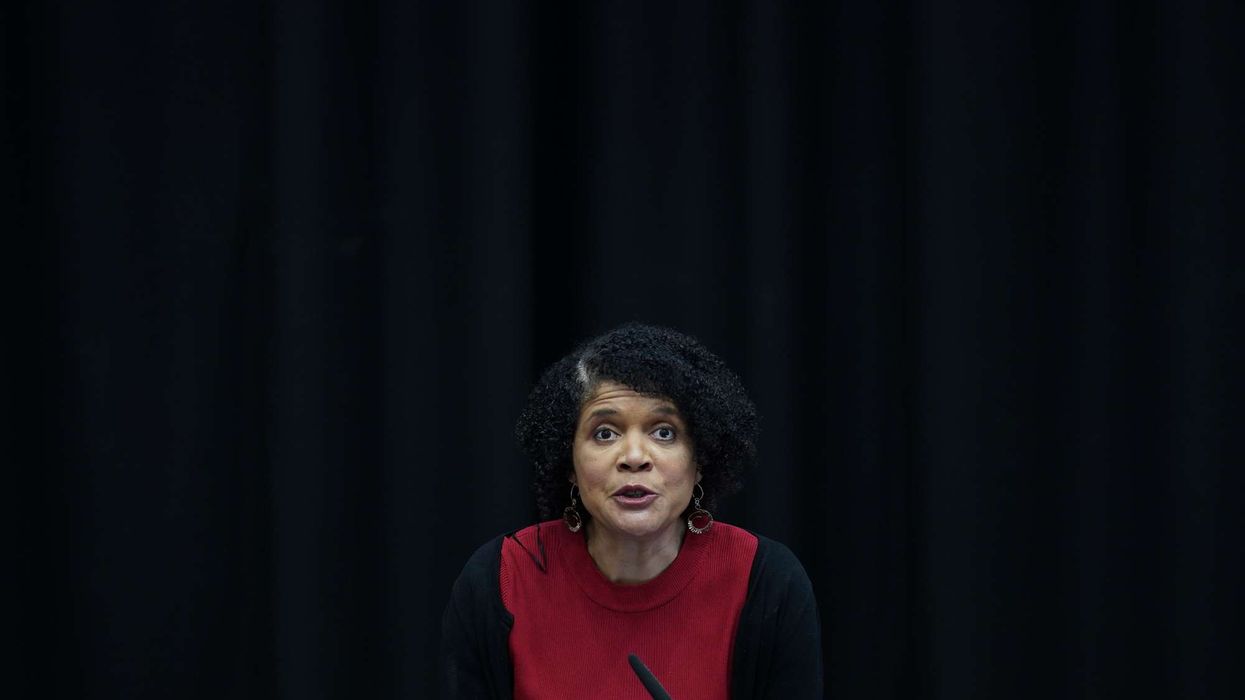

The Science, Innovation and Technology Committee chair, Dame Chi Onwurah, has written to health secretary Wes Streeting, science and technology secretary Liz Kendall seeking clarity on the pharmaceutical trade deal with the US.
The two countries had announced on December 1 a deal that would secure zero tariffs on British pharmaceutical products and medical technology in return for Britain spending more on medicines and overhauling how it values drugs.
Under the agreement, Britain will raise the net price it pays for new US medicines by 25 percent.
The deal includes a significant change to the value appraisal framework at the National Institute for Health and Care Excellence (NICE).
Its "quality-adjusted life year" (QALY) threshold, currently £30,000 per year, will be raised to £35,000.
Onwurah had, in an earlier letter, asked about US trade talks and their impact on UK domestic policy and said she was disappointed with the response.
The government said it couldn’t give a “running commentary” on negotiations.
"I was therefore surprised to see leaked details of the UK-US pharma deal in the Financial Times the same day, with an official press release, quoting both ministers, released an hourlater," the letter stated.
The ministers also declined to answer questions around funding and delivery, on the grounds that they could “not pre-empt any specifics within the Budget”.
She argued that the letter was dated and sent on 1 December, five days after the Budget.
The chair wanted a response that addressed her original questions, "as well as the topics discussed in the Science, Innovation and Technology Secretary’s recent session with my committee.
She wanted to know how much the NICE QALY threshold and the accompanying cap on VPAG cost per year?
The 2026 VPAG payment percentage will be 14.5 percent - down more than a third from 22.9 percent in 2025.
She also wanted to know how the government would fund these expenses.
"Will this come from existing NHS budgets and, if so, which areas will lose out?"
"What are the limits of the deal – does it apply to pharmaceutical companies based in the US only?
"If so, what assessments have been made about the knock-on effects for European firms? If not, is there a risk that this amounts to another nation setting UK policy in this area?"
The chair also wanted to know about the implications of this deal on generic medicines.
"What assessment has the government made about the impact of the deal on the generic and biosimilar medicines?
She wanted a reply by 9 January. "I intend to place this letter, and your response, in the public domain."
Though it has been over three weeks since the deal was signed, there is little clarity on the funding aspect.
“I’m writing again to the government to get much-needed clarity on the US deal. There’s currently very little information available on how much the deal will cost and how much of that cost will be taken from the NHS’s already stretched budget.
"The committee also needs answers to our initial questions on life sciences investment, which went largely unanswered in the government’s reply."