




Key Summary
- The researchers warned that if the regained weight is mainly fat they could "be worse off than before".
- These weight loss injections mimic the GLP-1 hormone to regulate blood sugar and insulin levels.
- Initially developed as a treatment for type 2 diabetes, some of them have been approved by the NHS to help tackle obesity.
A new Cambridge University study has stated that people on obesity jabs regain most of the weight they lose within a year of stopping the drugs.
The study, published in eClinicalMedicine, found that after stopping the jabs for 52 weeks, people on average regained 60 percent of the weight they lost.
The researchers warned that if the regained weight is mainly fat, they could "be worse off than before".
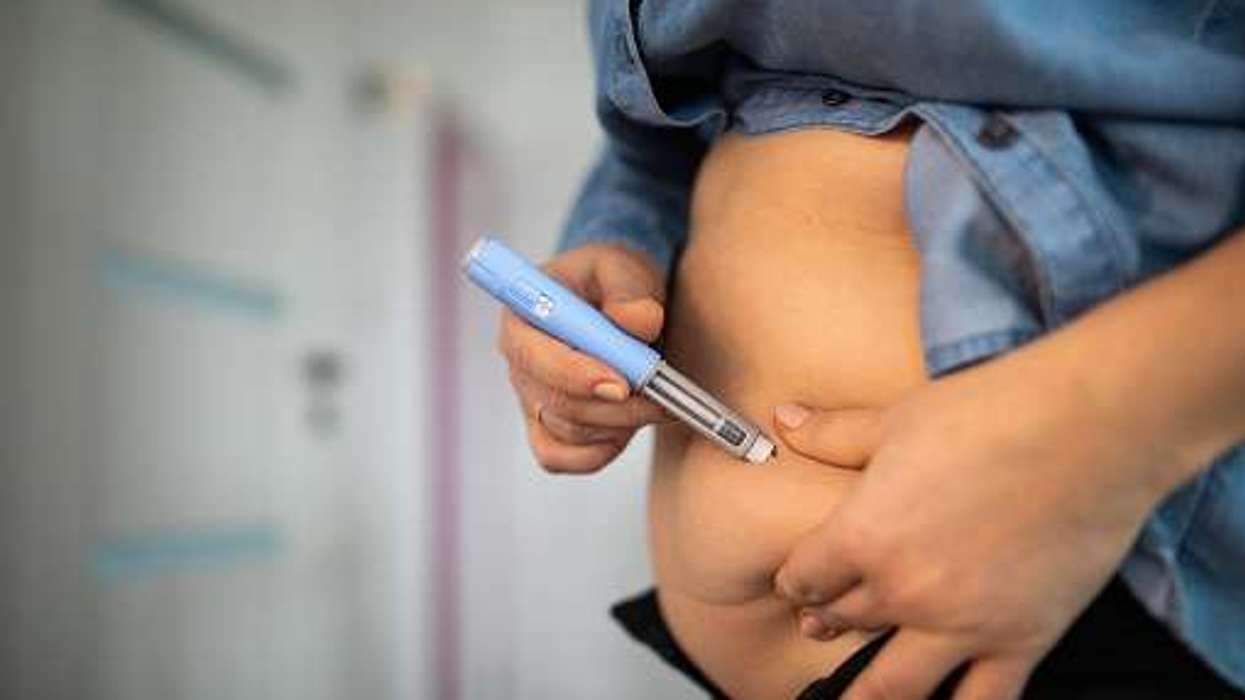
These weight loss injections are a class of drugs known as GLP-1 receptor agonists, which work by mimicking the GLP-1 hormone to regulate blood sugar and insulin levels.
Initially developed as a treatment for type 2 diabetes, certain types, such as semaglutide (Wegovy) and tirzepatide (Mounjaro) have been approved by the NHS to help tackle obesity.
The Cambridge study, which included six trials involving more than 3,200 people, suggests that "there is significant weight regain following cessation" of weight loss drugs.
The weight regain trajectories appeared broadly similar for the different types of weight loss drugs targeting GLP-1R.
Steven Luo, a medical student at the School of Clinical Medicine and Trinity College, said: “When stopping weight loss drugs, doctors and patients should be aware of the potential for weight regain and consider ways to mitigate this risk."
It was not clear whether individuals regain both fat and muscle.
Brajan Budini, another student at the School of Clinical Medicine and Trinity College, said, "If the regained weight is disproportionately fat, individuals may ultimately be worse off than before in their fat-to-lean mass ratio, which may have adverse consequences for their health.”
The researchers called for further trials to explore how the injections affect the composition of weight loss during and after treatment.
Dr Mitra Dutt, associate medical director (Clinical Innovation) at LloydsPharmacy Online Doctor, said that medications such as Mounjaro and Wegovy are effective in reducing obesity, but they are not a cure.
"They are a treatment. And like many treatments, their effect diminishes when they are stopped.
“As a doctor who prescribes weight loss injections in clinical practice, I see first-hand how effective these medications can be, but also the challenges patients face when treatment stops. That’s why I tell patients on day one: if you take your foot off the brake, your appetite will return. Without engrained changes to lifestyle and habits, weight regain is common.
“The concern raised in the study about potentially regaining a higher proportion of fat mass is clinically significant. If muscle mass is lost during treatment and fat mass preferentially regained afterwards, patients could indeed be metabolically worse off. That is exactly why structured lifestyle support alongside medication matters so much.
“That’s why counselling during and after the treatment window is essential. Clinicians can provide advice on implementing long-term behavioural change and ensure prescriptions to suit changing patient needs.
"This includes direction around ensuring adequate protein intake and resistance training to retain muscle mass, improving sleep quality, and managing stress - all factors that can impact weight management and overall health."