







In the rapidly evolving field of molecular biology, the ability to efficiently deliver nucleic acids into cells is pivotal for breakthroughs in gene function analysis, therapeutic development, and cellular engineering. Among the suite of available delivery techniques, lipid-mediated transfection has established itself as a trusted and versatile approach. Its effectiveness, ease of use, and compatibility with diverse cell types make it a go-to choice for researchers worldwide. At the heart of this method lies the selection of an optimal
lipid transfection reagent, designed to facilitate the safe and efficient transport of genetic material into living cells.
Lipid transfection works by forming complexes between cationic (positively charged) lipids and negatively charged genetic material, such as DNA, RNA, or oligonucleotides. These complexes, often referred to as lipoplexes, are capable of interacting with the cellular membrane and entering cells through endocytic pathways. Once internalized, the nucleic acids are released into the cytoplasm or nucleus, where they can carry out their intended biological functions. This method offers several advantages over viral delivery systems, including lower immunogenicity, reduced safety concerns, and simpler handling protocols, making it ideal for both basic lab research and preclinical applications.
Despite its widespread adoption, success with lipid transfection is not guaranteed without thoughtful optimization. The performance of a lipid transfection reagent depends on multiple factors, including the type of genetic cargo, the characteristics of the target cells, and the specific goals of the experiment. For example, delivering plasmid DNA for gene expression studies requires different complexation conditions than delivering small interfering RNA (siRNA) for gene silencing. Similarly, primary cells and stem cells are often more sensitive than immortalized cell lines and may require gentler reagent formulations to maintain viability and function.
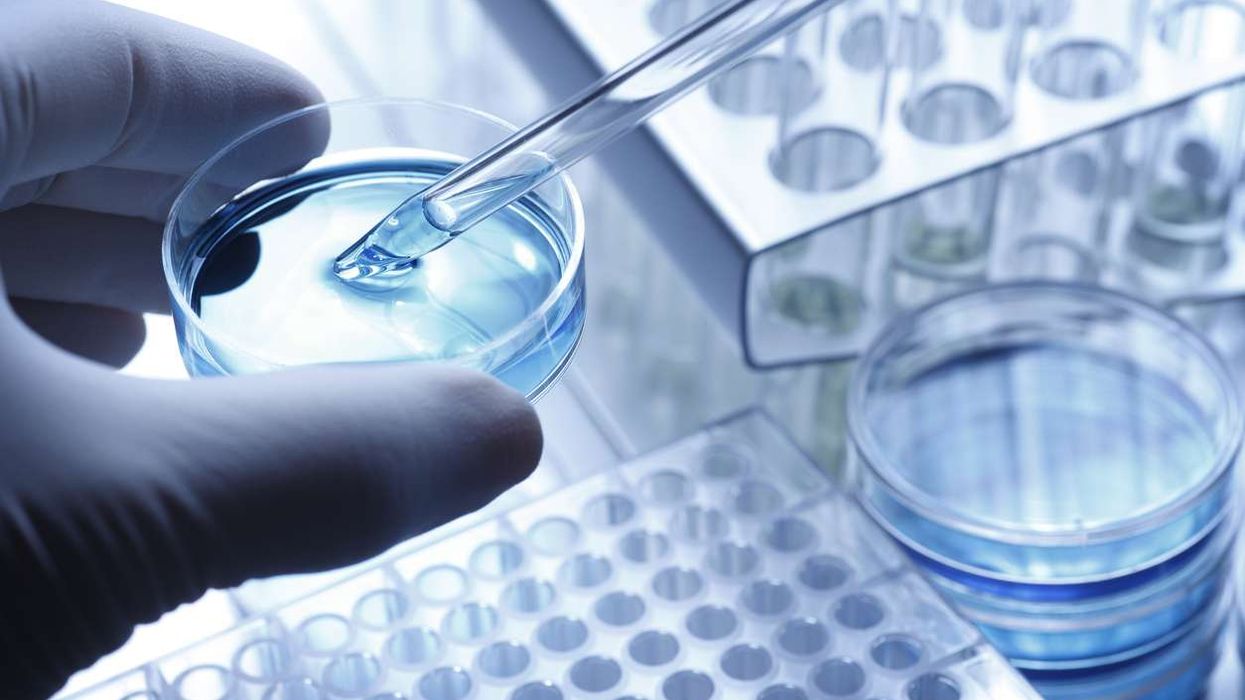
To optimize lipid transfection outcomes, researchers should begin with healthy, actively dividing cells at the recommended confluency. Cells that are stressed or over-confluent tend to exhibit lower transfection efficiencies and increased cytotoxicity. Preparing the lipid-nucleic acid complexes in serum-free medium helps avoid interference from serum proteins, which can adversely affect complex formation. After allowing sufficient time for complex assembly, the mixture is introduced to the cells. In many cases, a brief incubation phase followed by replacement with complete growth media results in improved cell health and expression levels.
One of the appealing aspects of lipid transfection is its adaptability to high-throughput workflows and scalable formats. In drug discovery and functional genomics, researchers often employ automated systems to screen hundreds or thousands of conditions. Lipid reagents that are compatible with 96-well or 384-well plate formats streamline these large-scale studies, helping accelerate the pace of discovery. Furthermore, advances in lipid chemistry continue to yield reagents with enhanced efficiency, lower toxicity, and broader cell type compatibility.
The applications of lipid transfection extend beyond basic research. In therapeutic development, lipid nanoparticles have garnered attention as delivery vehicles for mRNA vaccines and gene therapies. Their success in recent years has propelled further innovation, expanding the potential uses of lipid-based delivery systems in clinical settings.
In summary, lipid transfection remains an indispensable tool in the molecular biology toolkit. Its combination of efficiency, safety, and adaptability makes it well-suited for a wide range of experimental needs. By selecting the right lipid transfection reagent and optimizing key protocol variables, researchers can achieve robust, reproducible results that drive scientific progress and unlock new possibilities in life science research.