






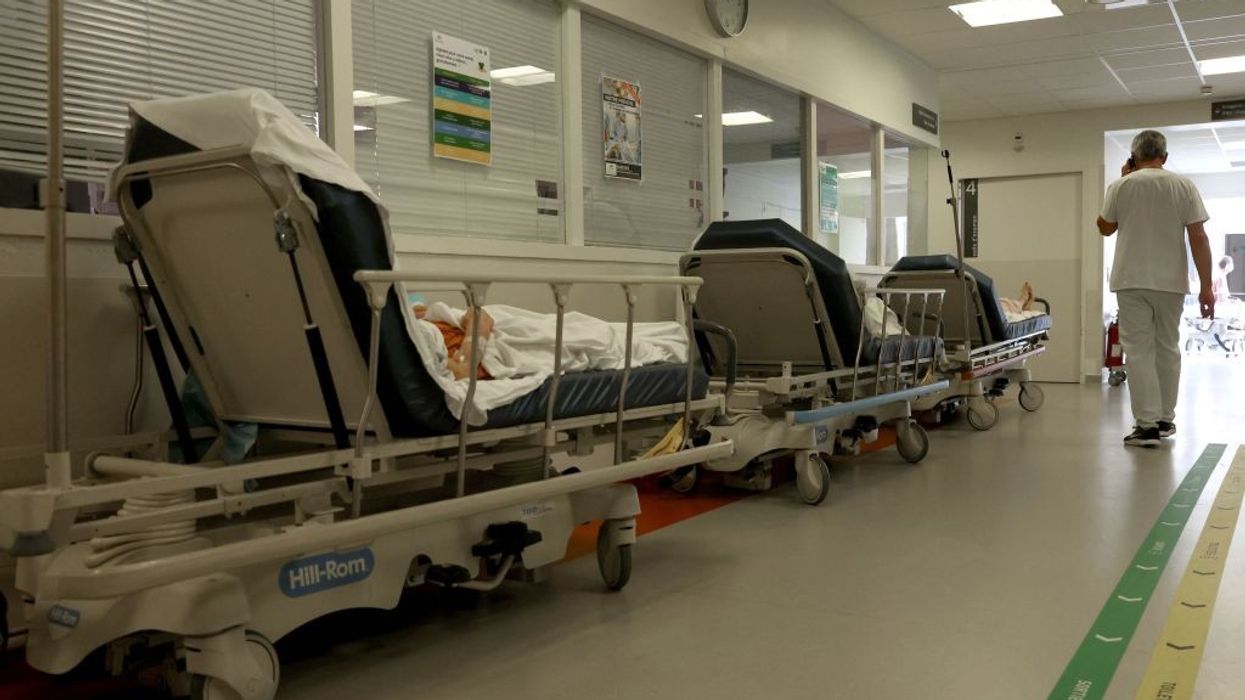

A leading doctor has expressed concern over the normalisation of 'corridor healthcare' and alarm over the deaths linked to long emergency department waits.
Dr Ian Higginson, the president of the Royal College of Emergency Medicine (RCEM), said only a few hospitals around the UK are managing to avoid this situation.
Patients are now no longer surprised as the problem of getting treatment in corridors has become so widespread, he said during a media interview.
Health secretary Wes Streeting had recently pledged to end corridor care in hospitals in England by the next general election, “if not sooner”.
But Higginson said the government is looking for an easy way out with solutions like persuading people not to go to the hospital and seek alternatives instead.
He said the government should make hospitals more efficient, provide more staff and improve community-based and social care to reduce hospital discharge delays.
Higginson said the problem was “fixable” if the government showed political will.
He said this will also help improve the working conditions of the staff and prevent burnout.
The RCEM had released estimates earlier this year that suggested there were more than 16,600 deaths of patients, about 320 a week, linked to very long waits in A&E for a hospital bed last year.
Higginson said if so many people died annually in bus or aircraft crashes, there would be "such howls of outrage" that something would be done to fix it.
He wondered why such "awful statistics" did not provoke the government and policymakers to take action.
Another study conducted by the trainee emergency research network (Tern) of RCEM found that one in five A&E patients were treated in hallways, and some of them had to wait for days to get a bed.
It found that 17.7 percent of patients were receiving care in escalation areas, or any area not routinely used for care.
Hospitals across Britain were overwhelmed a wave of unprecedented super flu led to a spike in hospitalisations.
Though the numbers have come down, experts warn that the large gatherings during New Year festivities could lead to spikes, and advised people to get vaccinated.