








By Adele Curran
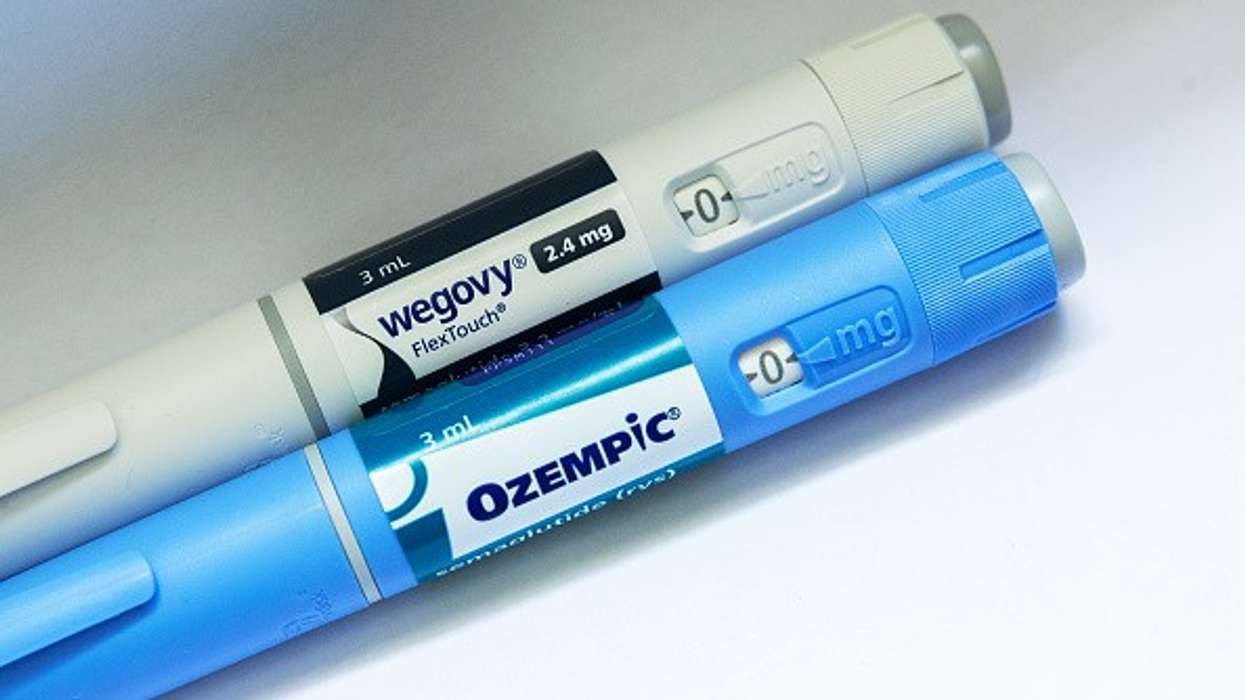
The UK pharmacy landscape is undergoing a seismic shift driven by the explosive rise of new weight-loss medications, especially GLP-1 receptor agonists such as tirzepatide (Mounjaro) and semaglutide (Wegovy).
These medicines have delivered remarkable clinical results, offering patients meaningful weight loss and health benefits — but the financial and operational consequences for community pharmacies are far from straightforward.
A Growing Market — and Mounting Pressure
Private prescriptions for weight-loss drugs have helped propel the UK private medicines market to soaring growth, with recent industry analyses reporting more than a 50 percent increase in value driven by GLP-1 treatments.
At the same time, access via the NHS remains strictly controlled, subject to stringent clinical criteria and limited rollout phases. While NHS England is extending access to these therapies for eligible patients, tens of thousands of people still turn to private care to start treatment sooner.
This evolving mix of NHS and private prescribing is not just a clinical conversation — it’s a financial and operational challenge for community pharmacies.
The Reimbursement Gap: NHS Versus Private Scripts
For NHS prescriptions, reimbursement is straightforward and immediate: pharmacies are paid by the NHS based on the Drug Tariff or agreed reimbursement price for the medicine. No retrospective rebates apply, and the margin is known once the claim is processed.
By contrast, private prescriptions introduce a multi-stage, delayed rebate model that creates margin uncertainty over months:
- Month 1: The pharmacy orders and dispenses stock at the full listed price — cash goes out immediately.
- Month 2: The manufacturer or supplier issues an estimated rebate, based on historical dispensing patterns or market forecasts — not actual activity from Month 1.
- Month 3: A balancing rebate is paid (or clawed back) once actual dispensed volumes are reconciled — meaning the true margin on each item isn’t confirmed until well after the fact.
This structure makes it nearly impossible for pharmacies to answer basic financial questions in real time: Did we make a margin? Did we overestimate our rebate? Are we holding un-reimbursed stock?
In a high-value medicines category where each pack can run into hundreds of pounds, this delay causes real cash-flow strain — especially for small independents and regional groups with tight working capital.
Cash Flow and Stock Strategy: No Easy Answers
Some pharmacies have responded by bulk ordering at the start of the month to maximise rebate eligibility and improve forecasting. But that raises another problem: carrying tens of thousands of pounds in stock — often without clarity on patient demand or final margin — isn’t viable for many businesses.
Meanwhile, manufacturer pricing strategies compound pressure. Some suppliers, such as Eli Lilly, have responded to market dynamics — including rapid demand and pricing debates — by introducing retrospective rebate schemes, but these are often opaque and variable.
And price volatility isn’t theoretical: recent changes in list prices for key weight-loss drugs have forced pharmacy leaders to seek reassurance from the Department of Health that NHS reimbursement will match rising costs. What Pharmacies Need:
Transparency and Data-Driven Systems
These financial and operational challenges aren’t niche. They hit pharmacies where it matters most: cash flow, margins, reconciliation accuracy, and forecasting.
Pharmacies trying to navigate this environment with spreadsheets or manual systems will struggle. The market has moved — rapidly — from predictable dispensing margins to data-driven financial modelling, where:
- NHS and private dispensing must be clearly separated
- Ordering, dispensing, and rebate timing must be continuously reconciled
- Estimated and balancing rebates need precise tracking and forecasting
- Margin visibility must be derived in near real-time, not months later
How RWA Pharmacy Can Help
This is where RWA Pharmacy’s data-centric capabilities become transformative.
By aligning suppliers, wholesalers, and pharmacy dispensing systems, RWA Pharmacy can:
- Provide clarity on actual versus expected rebates
- Track margin evolution across multi-month cycles
- Forecast cash-flow positions weeks ahead
- Automate reconciliation between orders, scripts, and supplier rebates
- Reduce risk from stock misalignment or negative rebate adjustments
In an era where weight-loss medicines dominate growth - and complexity - pharmacists need more than claims data and GP notifications. They need actionable, transparent financial insight.
The pharmacy sector is at a crossroads. Medicines like GLP-1s are here to stay. But the financial systems that supported traditional drugs cannot handle the dynamics of these new therapies. Pharmacies that recognise this - and adopt systems that make complexity manageable - will not just survive: they will thrive.
(Adele Curran is chief operations officer at RWA Pharmacy)