


Key Summary
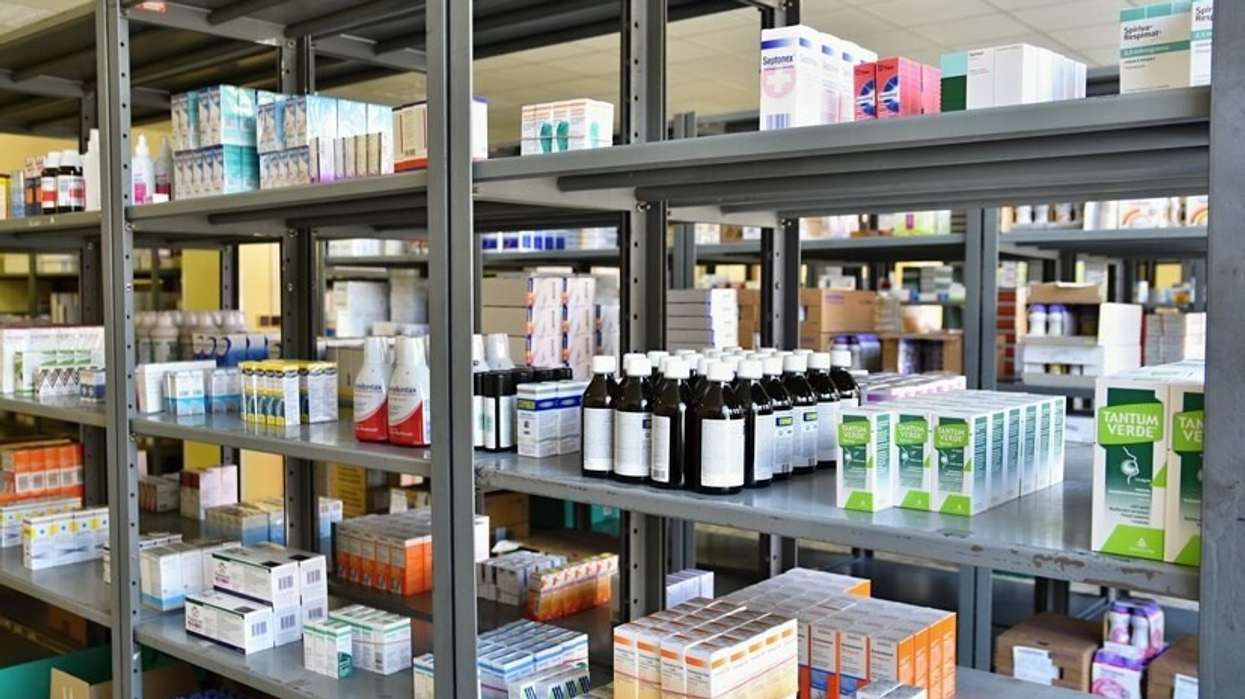
- Competitive procurement of medicines for the NHS by community pharmacies has driven down the prices of generic medicines
- Prices have hit rock bottom and not sustainable
- They want the government to create a procurement model whereby all parts of the domestic supply chain can operate in a financially sustainable way
Pharmacy leaders have issued a joint letter to the House of Lords Public Services Committee calling for urgent investment in the generic medicines market.
The letter stated, "Following the recent UK–US agreement and the commitment to increase prices for new branded medicines, it is essential that these changes are not funded by further pressure on the generic medicines market.
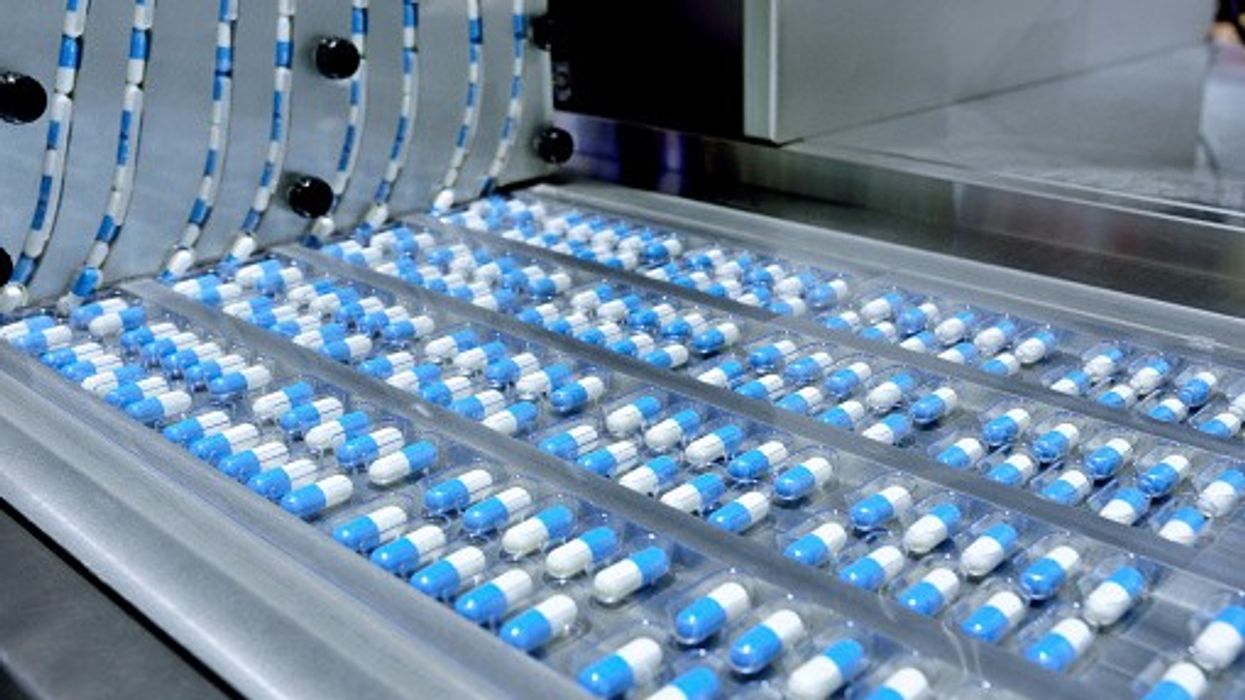
"Generic medicines account for four out of five NHS prescriptions in primary care. Therefore, there is an urgent need to ensure a stable and sustainable medicines market for both branded and generic medicines."
The letter highlighted that the competitive procurement of medicines for the NHS by community pharmacies has driven down the prices of generic medicines, helping taxpayers save billions of pounds.
However, the pharmacy leaders lamented that the prices have hit rock bottom and are no longer viable.
"At present, the reimbursement price for over 850 million generic medicine packs is 99p, or less, for up to a month’s supply. This is simply not sustainable."
As a result, many global players have "prioritised other markets or withdrawn from the UK entirely."
Shortages
"This has had knock-on effects on patients, first and foremost, as well as wholesalers, manufacturers, and community pharmacies alike, each of which has themselves faced significant inflationary pressures in recent years.
"Concerningly, in some cases, this has caused entirely avoidable medicine shortages."
The pharmacy leaders have called upon the government to recognise that both branded and generic medicines require funding models that incentivise participation and competition.
Create a procurement model whereby all parts of the domestic supply chain can operate in a financially sustainable way.
Review the role of Drug Tariff pricing and retained margin, to reduce the number of medicines supplied to the NHS at a loss.
They said these interventions will help to make the UK medicines supply chain more attractive in the global market.
The signatories include Malcolm Harrison, chief executive, Company Chemists Association, James Davies, director of Research and Insights, Community Pharmacy England, Martin Sawer, executive director, Healthcare Distribution Association, and Mark Samuels, chief executive officer, Medicines UK.
The letter was sent while the House of Lords committee is continuing with its inquiry into medicines security.
On Wednesday (10), the Committee will hear from Health Innovation minister Zubir Ahmed.
This will be the final oral evidence session before the Committee develops its report and recommendations for policymakers.