


Key Summary
- Trump had threatened last autumn to impose 100 percent tariffs on companies that do not have a manufacturing plant in the US.
- The US had struck deals with 16 drugmakers to reduce prescription drug costs to the lower prices charged in other developed nations.
- The new tariffs would come despite a ruling in February by the US Supreme Court that tariffs imposed under emergency powers were illegal.
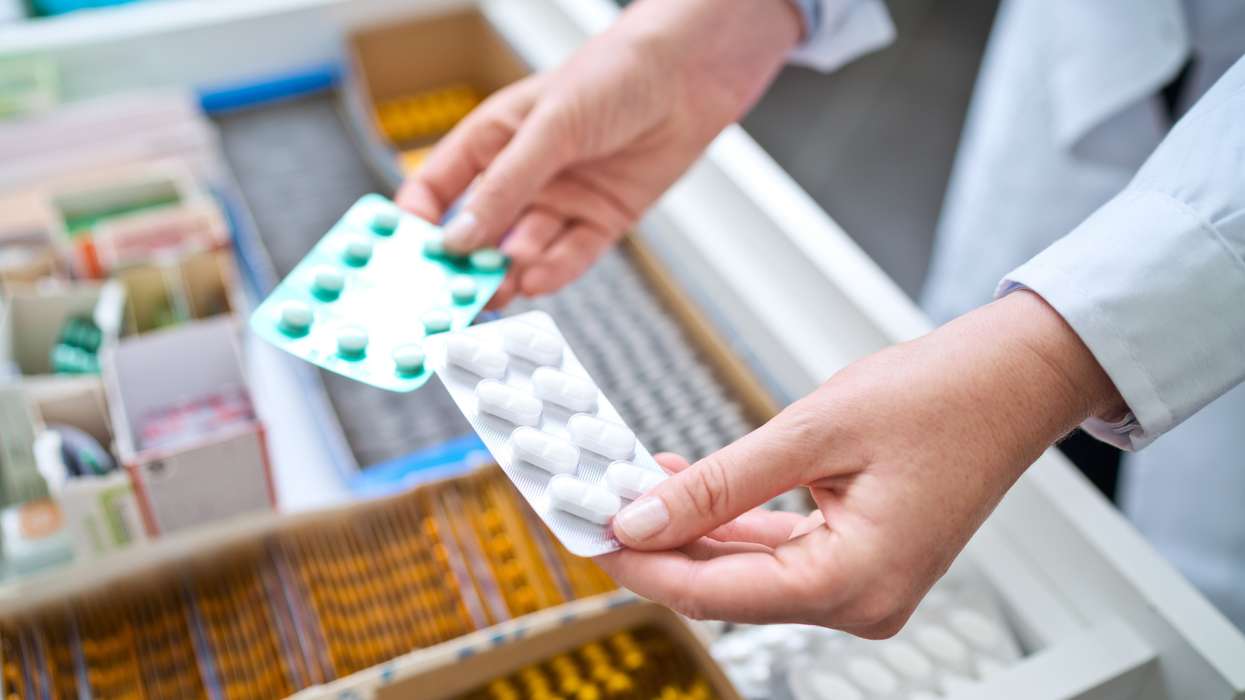
The Trump administration is set to announce 100 percent tariffs on drugmakers that have not struck deals to increase manufacturing in the US and reduce prices in the American market.
The White House is likely to announce tariffs on Thursday (9), which will be imposed on imported branded and patented medicines from companies that do not have agreements and are not in negotiations with the US administration.
Pfizer, and AstraZeneca have secured multi-year tariff exemptions through pricing deals and commitments to the new TrumpRx.gov platform.
Eli Lilly, Johnson & Johnson and Merck have pledged billions to expand US operations to avoid penalties.
Trump had threatened last autumn to impose 100 percent tariffs on companies that do not have a manufacturing plant in the US.
The US had struck deals with 16 drugmakers to reduce prescription drug costs to the lower prices charged in other developed nations.
The United Kingdom also struck a deal last year to avoid US drug tariffs in exchange for spending more on medicines.
Britain had agreed to increase the threshold of the UK's National Institute for Health and Care Excellence (NICE).
The plans are not final and could still change, and there could also be exemptions for some medicines and disease categories, Reuters reports.
The new tariffs, if announced, would come despite a ruling in February by the US Supreme Court that tariffs imposed under emergency powers were illegal.
The court ruling does not extend to industrial categories like pharma that were subjected to 'Section 232' investigations, which have a higher level of due diligence.
The Trump administration started the Section 232 probe into pharma in 2025, using it as a lever for trade negotiations and MFN deals with pharma companies, and it remains active.
Pharma was exempted from the initial round of 'liberation day' tariffs imposed by Trump in April 2025.