







Key Summary
- Ruxolitinib cream will soon be available on the NHS for nearly 100,000vitiligo patients aged 12 and above.
- Trials have proven that it helps to restore natural skin colour by calming the immune attack.
- Experts say it offers real hope beyond cosmetic cover-ups.
Ruxolitinib, a new cream to treat vitiligo will be available on the NHS, reaching nearly 100,000 people aged 12 years and above.
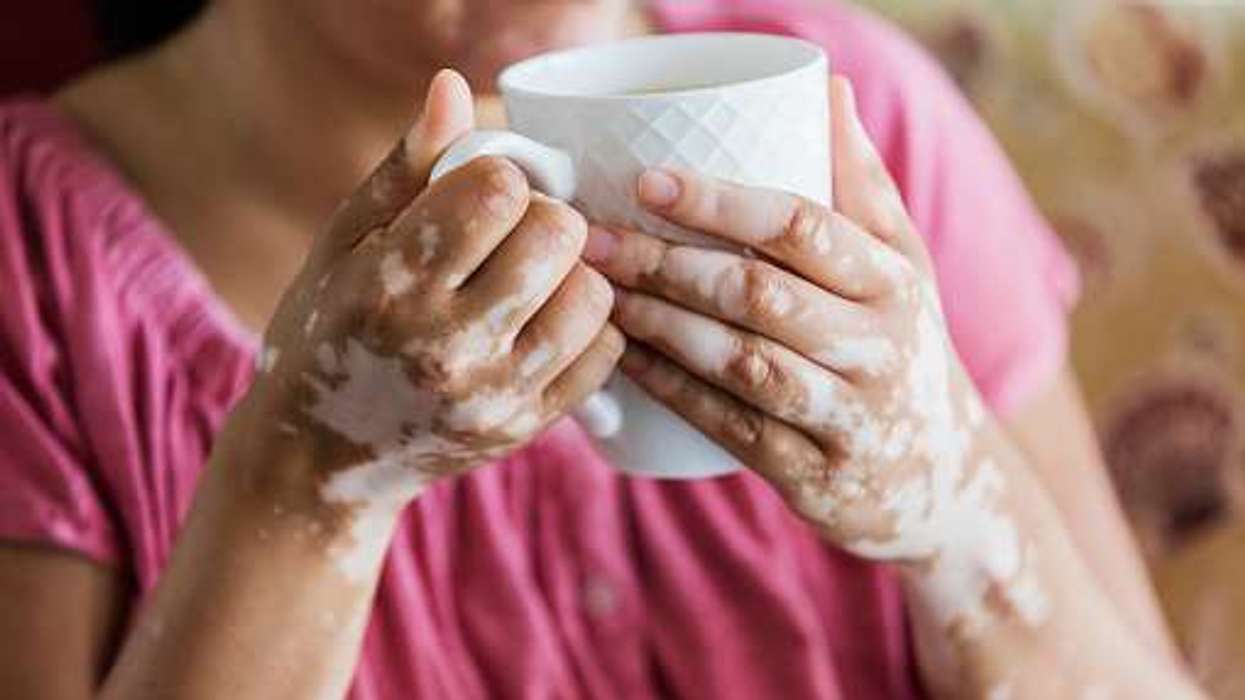
Vitiligo is an autoimmune disease, leaving pale pink or white patches, commonly on the face, neck and hands.
It impacts one in a hundred people in the UK.
The cream helps to calm the immune system’s attack on pigment-producing cells, helping repair the skin cells so they regain their natural colour.
Ruxolitinib was earlier rejected by the NHS in August last year, but after a review and negotiations, NHS England landed a deal with manufacturer Incyte to enable its approval for use on the NHS from the National Institute for Health and Care Excellence (NICE).
“This will be the first licensed treatment for the condition to be made available in the NHS, and having an effective drug will be welcomed by the thousands of people living with this condition,” said NICE’s director of medicines evaluation, Helen Knight.
The cream will be made available to eligible patients by NHS England within three months of NICE publishing its final guidance on the treatment.
Many people have experienced visible results after six months of using the cream twice a day, with almost 75 percent skin restoration.
Clinical trials showed ruxolitinib significantly improved facial repigmentation compared with a placebo, with patients being four times more likely to see a return of skin colour to affected areas, or six times more likely to report their vitiligo becoming much less noticeable.
It is a convenient form of treatment compared to the steroid creams and light therapy that requires multiple hospital visits.
“For the first time, we now have an approved treatment available on the NHS that can significantly restore skin colour rather than simply covering the condition up,” commented Professor Meghana Pandit, national medical director at NHS England.
Abigail Hurrell, CEO of The Vitiligo Society, said, “Today’s approval of ruxolitinib represents a historic milestone and the first time the NHS has recognised and funded a dedicated re-pigmentation treatment.
“This decision acknowledges the significant psychological, social and medical impact of vitiligo and marks a fundamental shift towards the equitable care our community has long deserved.”