


Key Summary
- WHO issues first guidance on GLP-1 obesity drugs, with cautious use recommended
- Must be combined with diet, exercise and behavioural support
- Limited access and rising fake products highlight need for safe, regulated prescribing
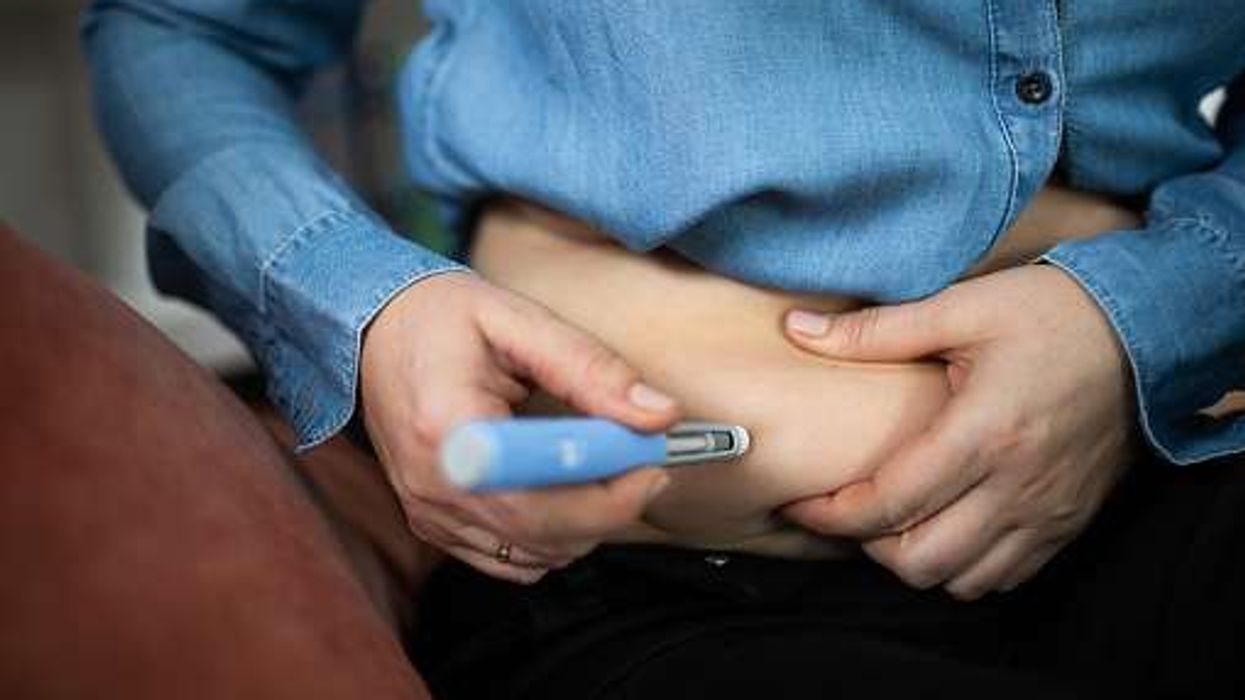
The World Health Organisation (WHO) has released its first guideline regarding the usage of Glucagon-Like Peptide-1 (GLP-1) obesity therapies.
In September 2025, WHO added GLP-1 therapies to its Essential Medicines List for managing type 2 diabetes in high-risk groups.
With the new guideline, WHO issues conditional recommendations for using these therapies to support people living with obesity.
This should be part of a comprehensive approach that includes healthy diets, regular physical activity and support from health professionals.
The new WHO guidelines emphasise on two recommendations.
The first one states that adults may use GLP-1 therapies, but excluding pregnant women, for the long-term treatment of obesity.
However, it cautioned that while the efficacy of these therapies in treating obesity and improving metabolic and other outcomes was evident, the recommendation is conditional due to limited data on their long-term efficacy and safety.
The second one is intensive behavioural interventions, including structured interventions involving healthy diet and physical activity, to adults living with obesity prescribed GLP-1 therapies.
WHO observed that obesity is a growing global health concern that affects over 1 billion people.
It is a major driver of noncommunicable diseases, such as cardiovascular diseases and type 2 diabetes and some types of cancer.
GLP-1 therapies are projected to reach fewer than 10 per cent of those who could benefit by 2030.
This has fuelled the spread of falsified and substandard products, threatening patient safety and trust.
Ensuring quality requires regulated distribution and prescription by qualified health care providers, strong oversight, patient education, and global cooperation to protect public health.
In the UK, some of these drugs are available through the NHS, but with many restrictions.
Hence thousands of people buy them privately, and it is often done without proper prescriptions and doctor’s advice.