








Key Summary
- Two in five adults who experienced hearing loss said they regret not seeking treatment sooner.
- There is a growing public confidence in pharmacists using technology to deliver accessible clinical services.
- While hearing loss often develops gradually, people rarely seek help when symptoms first appear.
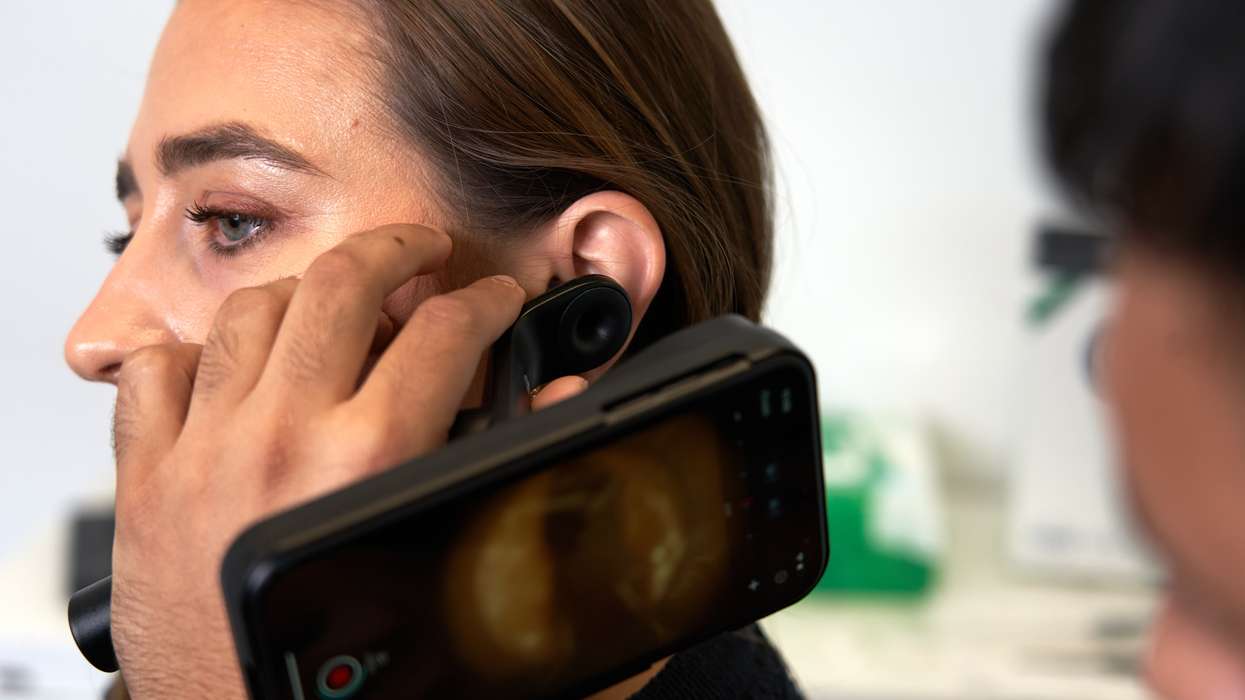
A new study by TympaHealth has found that the public favours greater intervention of AI in ear and hearing health, and technology-enabled checks to detect hearing loss at an early stage.
The study found that more than two-thirds of adults (67 percent) would welcome the use of AI in supporting ear and hearing health if it helps reduce waiting times.
There is a growing public confidence (66 percent) in healthcare professionals, such as pharmacists, using technology to deliver accessible clinical services.
Two in five adults (40 percent) who experienced hearing loss said they regret not seeking treatment sooner, while more than a quarter (28 percent) assumed early symptoms were part of the ageing process.
The results point to a clear opportunity for pharmacies to combine trusted, face-to-face care with AI-supported screening to remove healthcare barriers to seeking early intervention.
The findings also revealed that convenience and access were important, with over a quarter (28 percent) stating easier access would encourage them to act.
While hearing loss often develops gradually, people rarely seek help when symptoms first appear.
The study found that the most common trigger to seek treatment was when hearing problems started interfering with daily life (39 percent).
But by then, individuals may already be struggling with communication, confidence or participation.
The findings suggest that AI-supported screening, delivered through familiar and accessible settings such as pharmacies, could help close the gap between first symptoms and clinical assessment.
The study was conducted in February by Obsurvant, on behalf of TympaHealth, and 1000 people between the ages of 18 and 65 took part.
Dr Krishan Ramdoo, ENT surgeon and founder of TympaHealth, said, “Public confidence in their healthcare providers using AI to support ear and hearing health is a really important signal. People want faster access, clearer answers and fewer barriers.
“AI can now play an important role in supporting pharmacists and other healthcare providers to have greater confidence in their assessment of a patient and determining next steps.
“It is important to note that this should not replace clinical judgement, but we are already seeing that providers who utilise technology within ear and hearing health examinations have seen a positive impact in increased patients seen, ultimately driving revenue at a time of sustained cost pressures.”