





Key Summary
- An AI tool from University of Oxford can predict heart failure up to 5 years early using CT scans.
- It detects early warning signs with 86% accuracy, helping doctors start treatment sooner.
- Researchers aim to roll it out across the NHS to spot risks earlier and save lives.
An AI tool developed at University of Oxford can predict heart failures at least five years before they happen, and help doctors begin early treatment.
The research, funded by the British Heart Foundation (BHF), was published in the Journal of the American College of Cardiology.
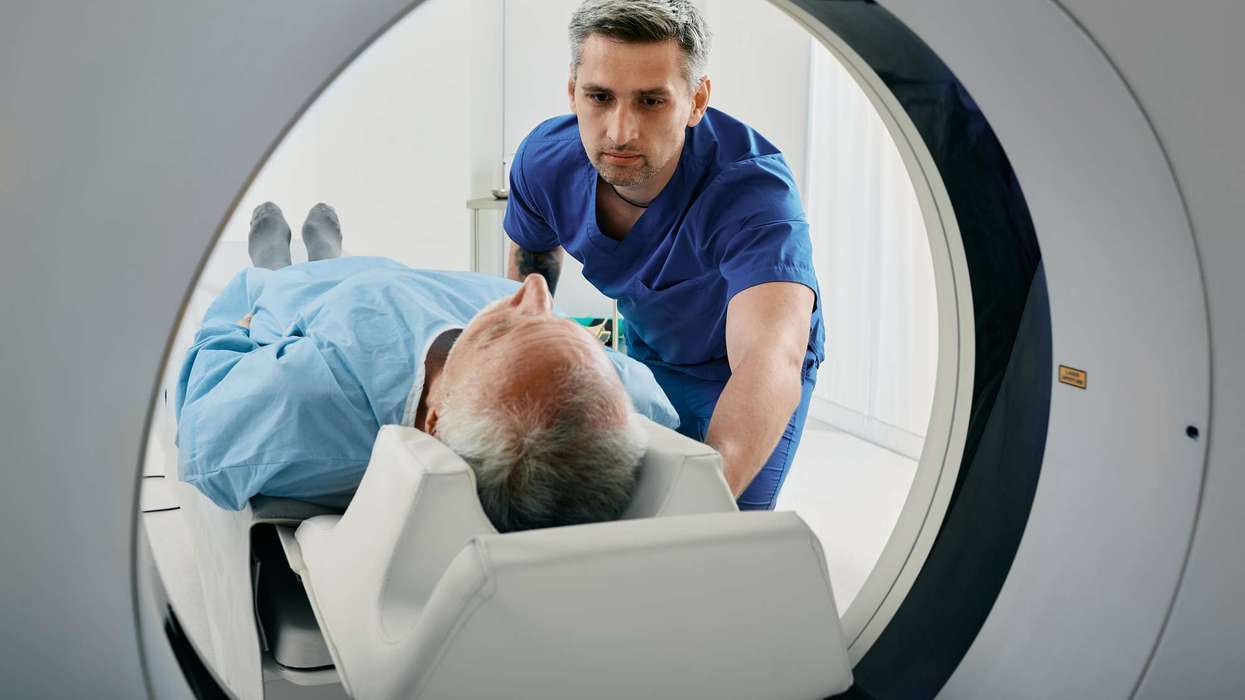
Using routine CT scans, the tool observed changes in the texture of fat around the heart indicating inflammation and poor condition of the heart muscle below the fat.
Researchers found that the fat around the heart can act as a “sensor” of early disease messages from the heart, changing its texture and composition many years before actual heart disease develops.
It was trained and tested in over 70,000 individuals from nine NHS Trusts, who were made to follow up after ten years post their cardiac CT Scan.
The algorithm assessed the fat around the heart and the researchers found that it could predict the heart failure risk, in the next five years, with 86 per cent accuracy.
Professor Charalambos Antoniades, BHF Professor of Cardiovascular Medicine at the University of Oxford, who led the research, said: “We have used developments in bioscience and computing to take a big step forward in treating heart failure.
"Our new AI tool is able to take cardiac CT scan data and produce an absolute risk score for each patient without any need for human input. Although this study used cardiac CT scans, we are now working towards applying this method to any CT scan of the chest, performed for any reason.”
The team are now seeking regulatory approval to roll out the tool across the NHS.
The AI tool is also being upgraded by the researchers so it can be used for any CT scan of the chest, not just cardiac CT scans.
They expect the program to be adapted to work on lung CT scans within the next few months. This would help doctors spot even more people who are at risk of heart failure.
Along with BHF and the University of Oxford, the National Institute for Health and Care Research (NIHR) Biomedical Research Centre: Oxford also supported the study.
During heart failure, the heart is unable to pump adequate amount of blood around the body. It happens due to damage or problems with the heart muscle.
It’s estimated that over one million people in the UK have heart failure.