





Key Summary
- Around 56 percent of those who seek medical help are prescribed antibiotics.
- Parents who take time off work are five times more likely to seek a medical consultation.
- UKHSA is trying to identify opportunities to help reduce avoidable antibiotic use.
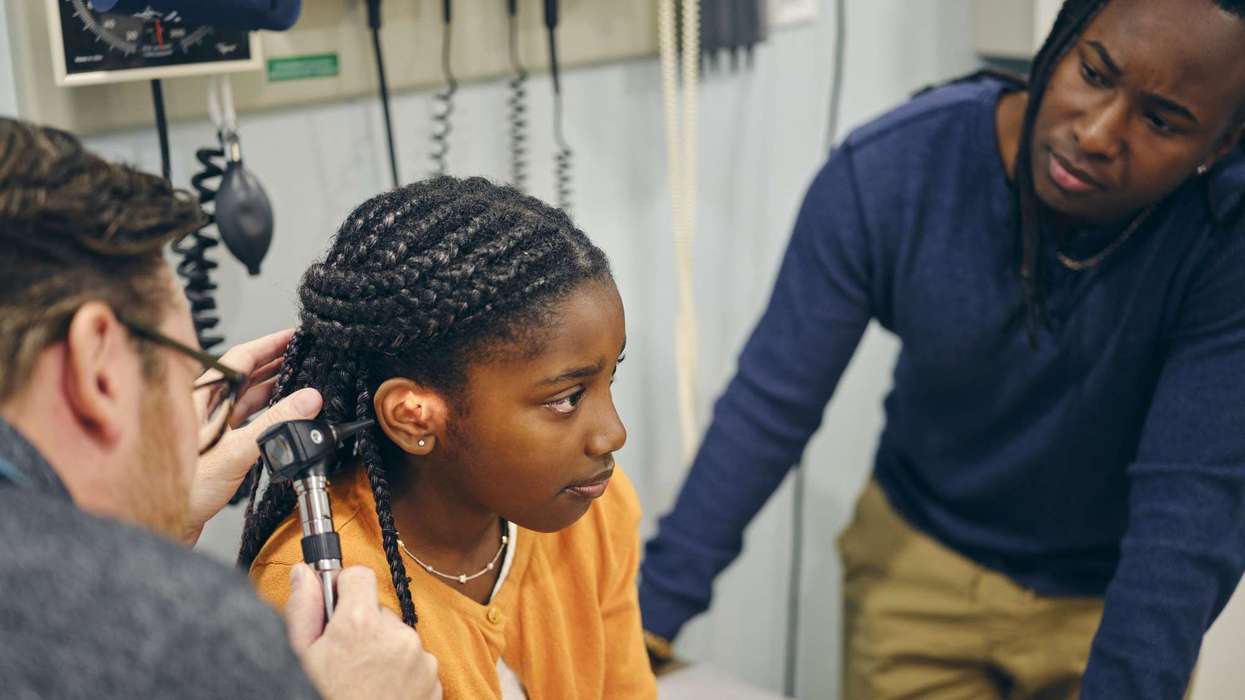
Over a third or 36 percent of surveyed parents incorrectly assume that children always need antibiotics for ear infections, according to new research from the UK Health Security Agency (UKHSA).
Research shows that as few as one in five children are likely to require antibiotics to treat an ear infection.
The UKHSA-led study, published in the British Journal of General Practice, surveyed over 500 parents across England whose children had experienced ear infection symptoms in the previous year.
It was carried out as part of ongoing UKHSA work to identify opportunities to help reduce avoidable antibiotic use.
UKHSA data published in November showed antibiotic-resistant infections equate to nearly 400 new cases per week, underlining the importance of using antibiotics only when needed.
The survey found that 74 percent of the parents who consult a healthcare professional do so within one to two days of their child’s symptoms appearing.
Only around half or 49 percent of parents thought that most childhood ear infections can get better without antibiotics. A quarter or 27 percent were unsure.
The study also revealed gaps between what parents expected from consultations and what they received.
While 43 percent of parents expected advice on whether antibiotics were necessary, only 28 percent reported actually receiving this specific guidance.
However, more than half (56 percent) of those who consulted a healthcare professional were prescribed antibiotics.
Over two-fifths (42 percent) of parents had to take time off work, whilst nearly two-thirds (62 percent) said their child missed school or nursery. Parents who missed work are five times more likely to seek medical help.
Catherine Hayes, UKHSA study lead, said: “While antibiotics are sometimes necessary for children with ear infections, unnecessary antibiotic use can cause side effects in children and contribute to antimicrobial resistance. If your child is prescribed antibiotics, it’s important to follow the advice of your GP, nurse or pharmacist.”
Dr Haroon Ahmed, GP and Clinical Reader in Epidemiology at Cardiff University, said: “Advice on what to do if you think your child has an ear infection is available on the NHS website. If prescribed antibiotics, it’s important to ensure they are taken exactly as directed by your GP, nurse or pharmacist.”