






Engaging communities in conversations about antibiotic use is an important part of tackling antimicrobial resistance (AMR), according to Professor Mahendra G Patel OBE, as World AMR Awareness Week gets under way.
The global campaign, running from November 18 to 24, aims to improve understanding of drug resistance and encourage action across human, animal, plant and environmental health.
This year's theme, ‘One Health, one action: Prevent AMR now’, reflects the growing recognition that antimicrobial resistance cannot be addressed by healthcare services alone. The World Health Organization (WHO) is calling for co-ordinated action from governments, healthcare professionals, researchers, farmers and communities to prevent the emergence and spread of drug-resistant infections.
Bacterial antimicrobial resistance is already associated with more than 4.7 million deaths annually worldwide, according to WHO. The organisation warns that without urgent action, the toll could rise significantly in the coming decades.
Why does community awareness matter?
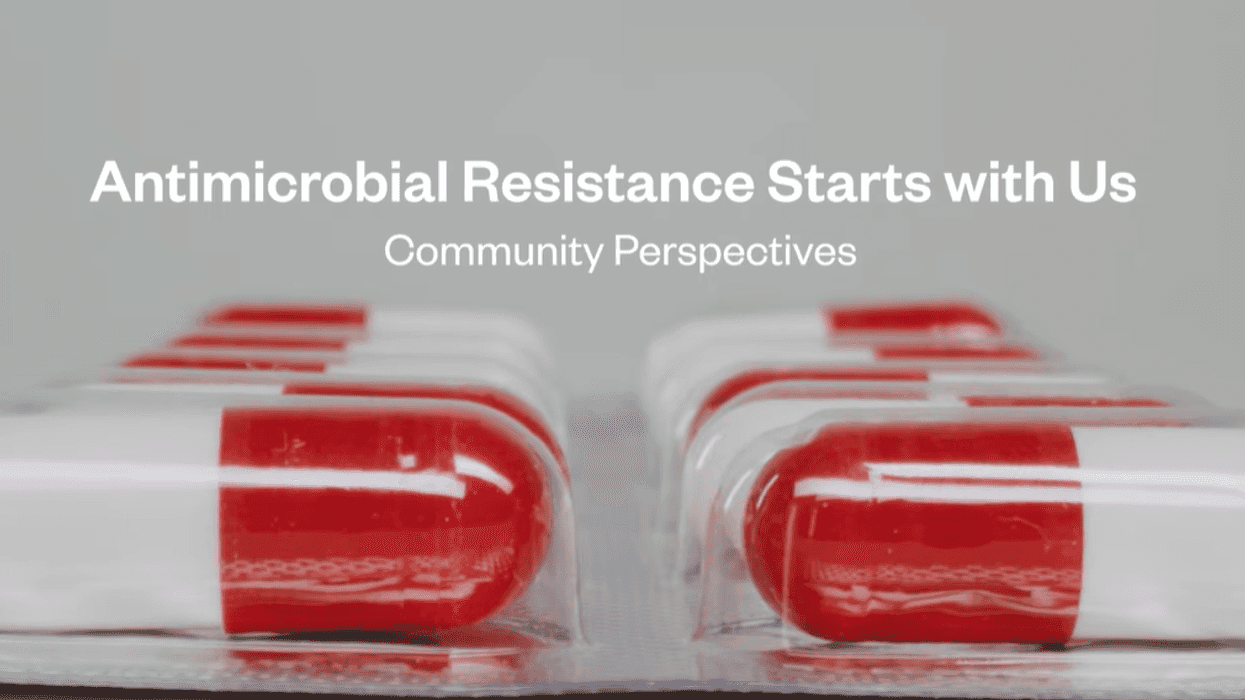
A film titled When antibiotics stop working: Why AMR matters to every community, shared from the work of the NIHR Health Protection Research Unit in Healthcare Associated Infections and the Centre for Research Equity at the University of Oxford, uses personal experiences to explain why preserving the effectiveness of antibiotics matters.
It features people living with conditions that make them particularly dependent on effective treatment. One participant with sickle cell anaemia describes taking antibiotics throughout their life, including during episodes of lung infection. Another person with a spinal cord injury discusses the difficult balance between avoiding unnecessary antibiotics and accessing treatment when infections become serious.
Patel, Royal College of Pharmacy Vice President and Director of the Centre for Research Equity at the University of Oxford, highlights the importance of listening to patients and understanding their experiences.
“Reaching out to communities of what is their real-life experience around antibiotics. I think that could be an important step if we are to make a sizable impact on antimicrobial resistance,” he said.
The film also addresses the risks of using antibiotics for minor illnesses when they may not be needed. It highlights how expectations for prescriptions, self-medication and the use of leftover medicines can contribute to inappropriate antibiotic use.
Obtaining antibiotics without professional advice, including bringing supplies back from overseas or using medicines prescribed for another family member, can also expose patients to unsuitable treatment and allergic reactions.
The speakers stress that antibiotics should only be used when prescribed for a specific condition and obtained through registered healthcare professionals.
What does the One Health approach involve?
AMR occurs when bacteria, viruses, fungi and parasites develop the ability to survive medicines designed to treat them. As resistance increases, infections can become harder to manage and treatment options may become limited.
WHO's One Health approach recognises that the use of antimicrobials in human healthcare, veterinary medicine and food production, alongside environmental factors, can influence the development and spread of resistance.
The updated Global Action Plan on AMR for 2026 to 2036 calls for countries and sectors to work together to reduce drug-resistant infections, improve the responsible use of antimicrobials and limit environmental pollution from resistant microbes and antimicrobial residues.
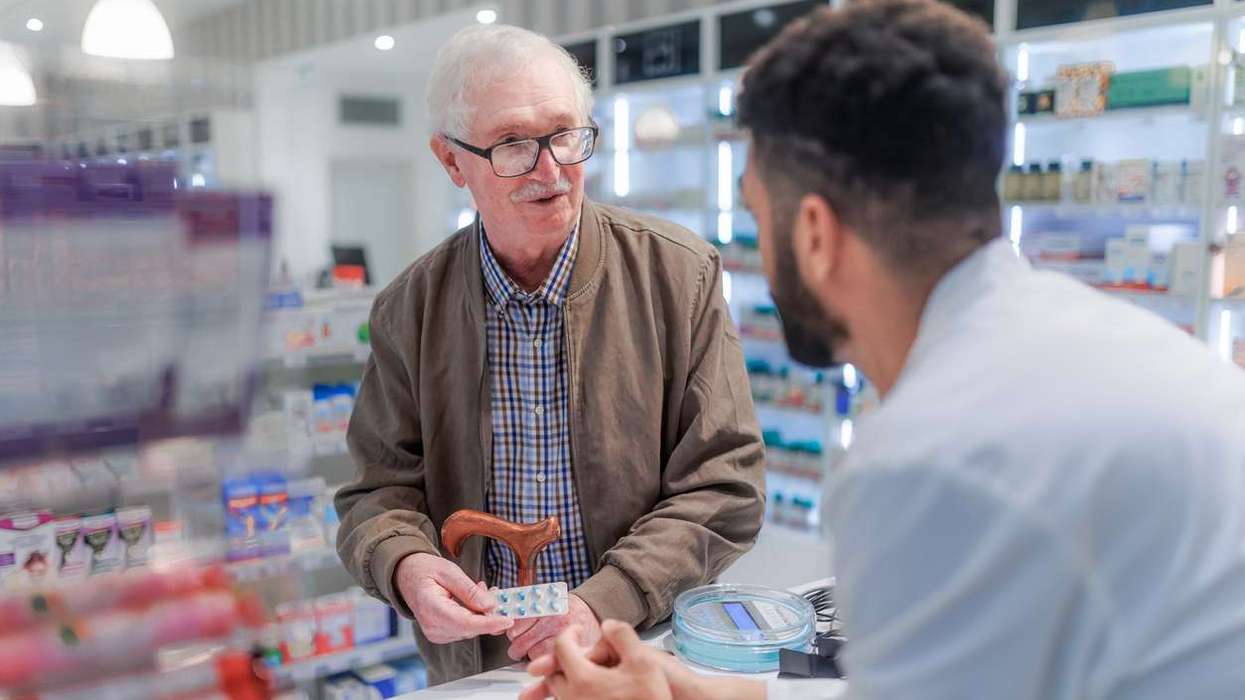
For community pharmacies, the campaign also reinforces the importance of supporting patients with appropriate advice on antibiotic use, adherence to prescribed treatment and the risks of taking medicines without professional guidance.
The message is not simply to use fewer antibiotics, but to ensure that they remain available and effective when patients genuinely need them. Public understanding, responsible prescribing and dispensing, infection prevention and continued research into new treatments will all be important in preserving their effectiveness.