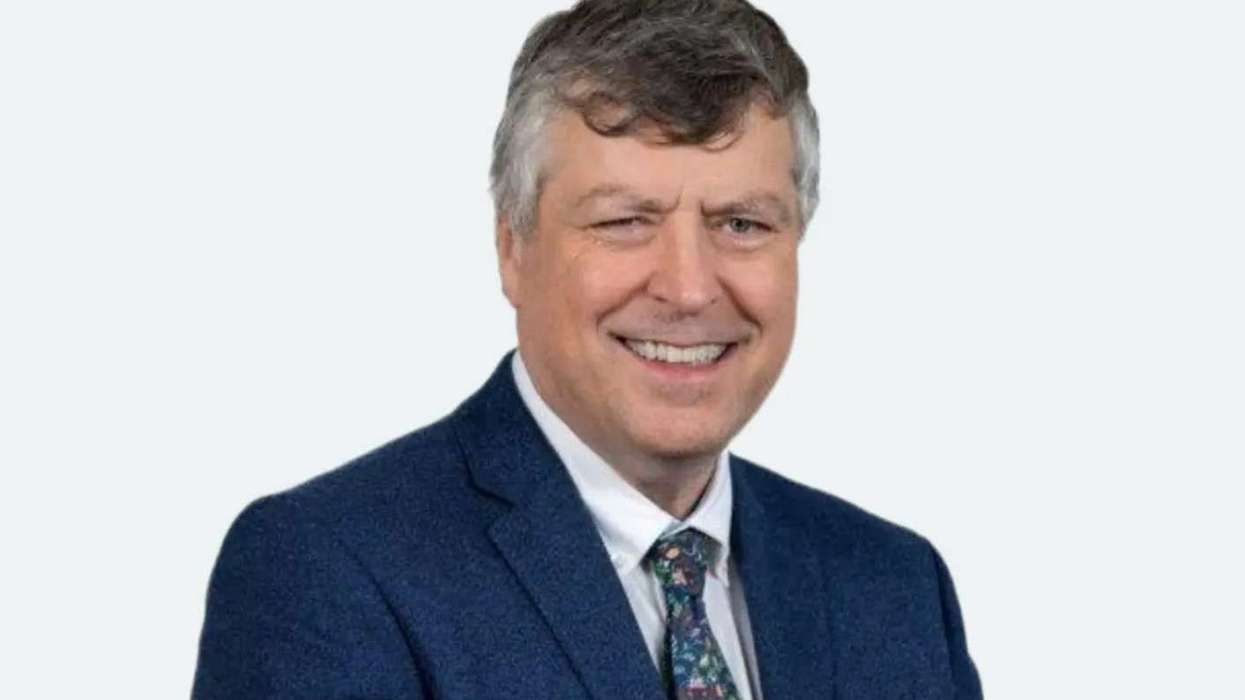



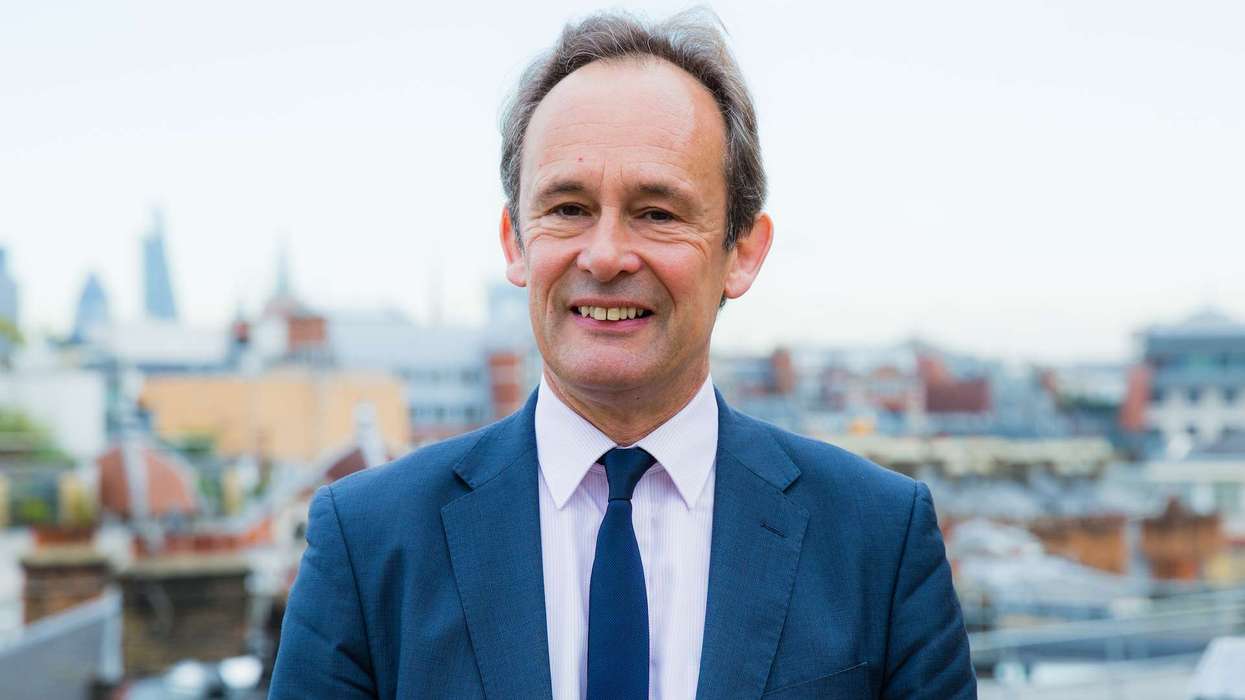

On the eve of his departure after 21 years at the helm, Martin Sawer, CE of HDA spoke to Pharmacy Business about his role, delivering the trade association’s strategic aims and cultivating key stakeholder relationships – the triumphs and the adversities overcome. He highlighted the sector’s evolution, particularly during the COVID-19 crisis, the challenges of economic pressures, rising costs and NHS debt.
From his parents, who both worked in banking, Sawer inherited a strong work ethic, as well as the importance of community work and a love of sport. “My mother did a lot of charitable work and both of my parents were keen on sport. My mother was a ladies’ golf captain and my father was a very good cricketer.” As a lifelong Ipswich City FC fan, Sawyer hopes to make good use of his season ticket during retirement, and spend more time watching his team.
Keeping fit and having outside activities are what gives Sawer energy. “I played field hockey for years, and I go for a run three times and week, and if I run in the morning, I have more energy for the rest of the day. It’s mentally good as well as physically good.”
After studying economics and social history at the University of Liverpool, Sawer started his career as a civil servant, working for HMRC and then as a public affairs consultant at Number 10 Downing Street, under the Thatcher government.
He worked closely with Mrs Thatcher, running her private office, including preparing her red boxes and briefings.
Government engagement is vital for a leader of an industry body, and one of the most important lessons Sawer learned was positive engagement with government ministers, plus having individual relationships with ministers, which all have an impact on the sector’s success. “Ongoing engagement with the Department of Health and the NHS has been crucial for the sector’s resilience and strategic planning,” says Sawer.
Of the various ministers Sawer worked with, he picks out Andy Burnham, who was Minister of State for Health in 2006, as a strong supporter of the sector. The current Mayor of Greater Manchester established round tables with trade associations to discuss critical issues. “He took medicine supply very seriously.”
Sawer is also impressed by Dr Zubir Ahmed, Parliamentary Under-Secretary (Department of Health and Social Care). “He has been very engaged. He made a supportive speech in January, where he said that our sector was as important as the clinicians. He met us briefly before the conference and he’s agreed to follow up on a couple of points.”
On the downside, Sawer thinks that “community pharmacy has long been misunderstood by government. I would say, almost distrusted. A mistrust of the private sector making money out of medicines.”
A flexible approach
This engagement with government and ministers prepared Sawer well for his role as chief executive at HDA. He joined all-party parliamentary groups - informal, cross-party groups of MPs and Peers - fostering discussion, research and influence policy. He met with many different groups including healthcare companies. This taught Sawer an important lesson in leading industry bodies. “You can’t lead without bringing people with you. So it might be that you have to compromise because that is the way to achieve your goal.”
One of the most significant challenges of Sawyer’s tenure at HDA was the COVID-19 pandemic. The outgoing chief executive is full of admiration for the sector’s response, and its ability to manage supply and demand that was crucial for patient care, saving thousands of lives. Because of being so heavily involved in the distribution the COVID vaccines, Sawer feels this raised the sector’s profile. “I feel like we got promotion from the Championship to the Premier Leage in terms of access to government. We have regular meetings with the Department of Health and much better engagement with the NHS than we ever used to.”
Times are tough, admits Sawyer, due to economic pressures on the sector, including rising costs, the impact of the National Insurance increase, the NHS Net Zero agenda which requires decarbonisation. Added to this is the outstanding debt from the NHS to wholesalers.
NHS hospitals owe HAD member companies millions of pounds in overdue invoices. Overdue debt for hospitals is at £50 million. “The cash flow then becomes acute. Carrying this debt stops us having more funds to invest in technology, or the workforce.
“It’s not affecting the delivery and distribution of medicines, but it’s affecting our cashflow in our sector. NHS hospitals owe the HDA member companies literally millions of pounds in overdue invoices. These are invoices for medicines that are not paid within the 30-day normal terms, via the NHS. HDA members are carrying that debt until get paid and this affects wholesalers’ cash flow for purchasing medicines.”
Private equity (PE) firms are increasingly active in the UK pharmacy sector. Notable purchases include G Square Capital, a London-based healthcare specialist private equity firm becoming the majority shareholder in Pharmacy2U, having led a £40 million investment in March 2018. In August 2025, US private equity firm Sycamore Partners acquired Boots.
PE has had both positive and negative impacts, suggests Sawer. Private equity firms are committed to working with the sector, particularly funding green energy, which aligns with the NHS Net Zero agenda, whose key actions include reducing medical gas emissions, sustainable procurement, and green transport. “Private equity companies are doing some leading work in investment in sustainable transport and electric vehicles.”
The low pricing of generics and the impact on the wholesale sector represent significant challenges. Going forward, says Sawer, “there needs to be incentives to drive price increases and attract more manufacturers back into the market – this is crucial for the sector’s sustainability. At the moment, the price is not going back up because manufacturers are still playing the market at very low prices.”
Twice-daily deliveries are another concern, due to the squeeze on margins. Despite, this it is something Sawer is keen to continue. “It gives pharmacies, hospitals and dispensing doctors confidence that if they need a medicine urgently, they can get it quickly. However, it might happen if a hospital says it wants to cut down on its carbon footprint, and they would like less deliveries a day. Some hospitals get four deliveries a day.”
The departing HDA chief executive is optimistic for the future, proud of the sector’s ability to adapt and evolve with market dynamics. “The need for investment in technology and staff to improve resilience and meet the demands of the NHS and community pharmacies is a priority.”
Sawer sees the biggest changes in the sector as advances in technology, supermarkets pulling out of the sector, AI and the collapse of large chains such as Lloyds. “Our customer base has shifted, with 75percent of our customers being independent pharmacies.”
As Sawyer hands over his role to new leader Alex Williams, the departing executive director has these words of advice: “Keep everyone in the room and get them talking to each other, and then you’ll work out the way forward to achieve the sector’s objectives.”