




Key Summary
- DHSC has set out an ambition for pharmacies to become the primary contact for prescribing-based services to reduce GP pressure.
- From September 2026, all newly qualified pharmacists will be independent prescribers.
- New IHOs will manage primary care contracts and population health budgets to incentivize community-based preventative care.
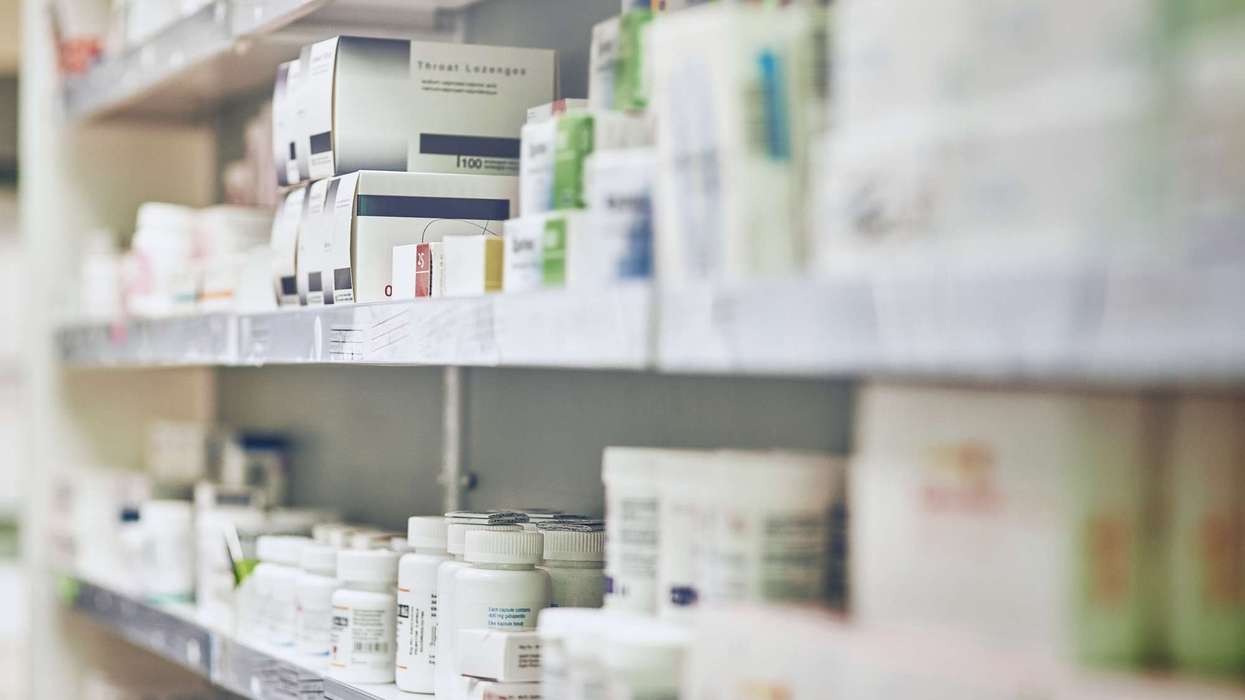
The Department of Health & Social Care (DHSC) aims to make pharmacies the first point of contact for “prescribing-based services” in new guidance to support the roll out of the NHS 10-year plan for England.
In September 2026, all the newly-qualified pharmacists will be able to independently prescribe. This provides an enormous opportunity for the NHS and as the number of prescribing-trained pharmacists grows, the ability to manage demand in primary care will rely on pharmacy teams.
Integrated Care Boards (ICB) will focus on using pharmacies to deliver more patient group direction (PGD) led services, improve the management of everyday prescriptions, and reduce overprescribing.
The framework also highlights the role of new integrated health organisations (IHO). They are expected to manage primary care contract types, including General Medical Services and community pharmaceutical services.
However, contracts will continue to be negotiated on a national basis.
According to DHSC, this model will empower highly capable providers to lead change through their understanding of local population need, knowledge of activity and costs, and ability to engage frontline clinicians in service redesign.
“The motivation is simple: creating accessible services as close to home as possible will be pivotal to regaining the confidence of our local communities and our staff across the NHS and care services,” the statement concluded.