



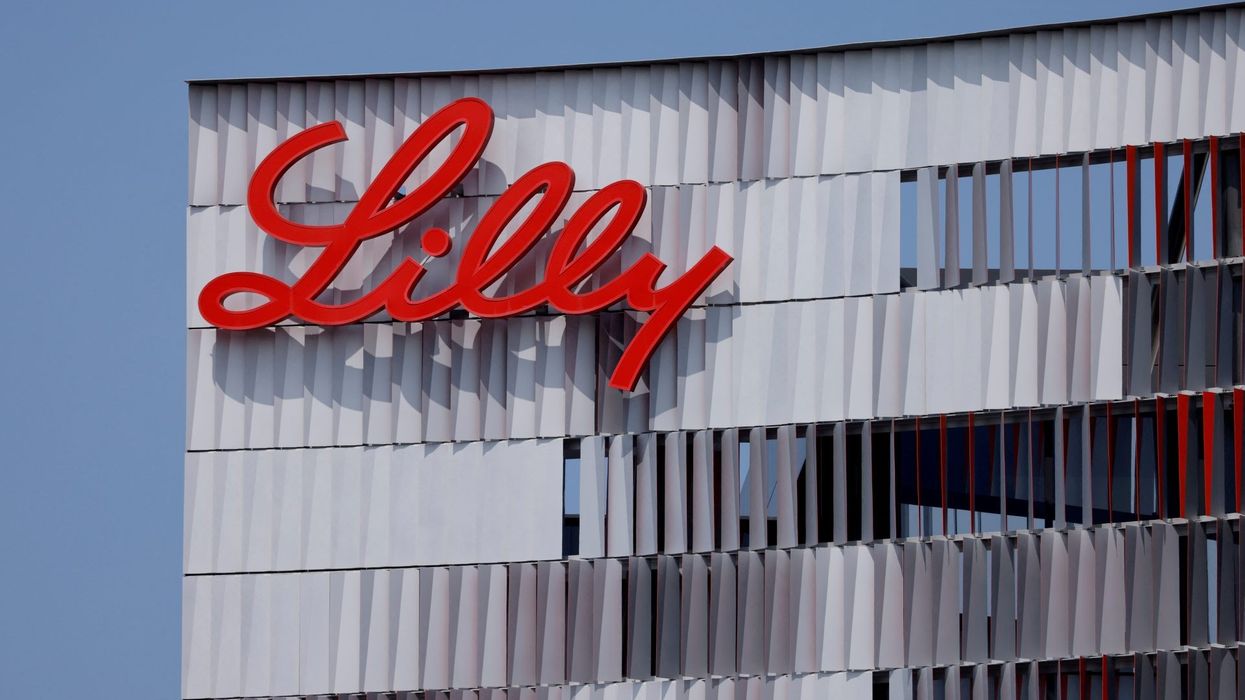

American drug major Eli Lilly has decided to adopt a wait-and-watch approach towards investing in Britain, despite the recent deal on drug pricing between the UK and the US.
Eli Lilly's chief executive, David Ricks, told the Financial Times they will assess how Britain's assurance to spend more on medicines and relax medicine approvals works on the ground.
The company will restart the paused investments only if it sees any improvement in the situation, he added.
Eli Lilly, Merck, and other big pharmaceutical firms have either scrapped or paused nearly £2 billion in planned UK investments so far this year.
The UK and the US announced a deal on Monday (1) to secure zero tariffs on British pharmaceutical products and medical technology in return for Britain spending more on medicines and overhauling how it values drugs.
Under the agreement, Britain will raise the net price it pays for new US medicines by 25 percent.
In return, UK-made medicines, drug ingredients, and medical technology will be exempt from Section 232 sectoral tariffs and any future Section 301 country tariffs.
The deal includes a significant change to the value appraisal framework at the UK's National Institute for Health and Care Excellence (NICE), which determines whether new drugs are cost-effective for the NHS.
NICE's "quality-adjusted life year" threshold, currently £30,000 per year, will rise to £35,000.
It means NICE will be able to approve medicines that deliver significant health improvements but might have previously been declined purely on cost-effectiveness grounds.
It has often rejected coverage of new, expensive drugs through the NHS, and the recent disapprovals include Eli Lilly's Alzheimer's drug and AstraZeneca's breast cancer treatment Enhertu.
Though the pharmaceutical industry leaders have welcomed the UK government's move, many experts wonder where the extra money to pay the drug companies will come from.
Dr Layla McCay, director of policy at the NHS Confederation, said, "The NHS budget in England is under significant pressure from the rising demand for care, coupled with ongoing strike action, so we will need to understand how these higher drug prices will be paid for. Any uplift in medicine prices would need to be funded by HM Treasury."
Sally Gainsbury from the Nuffield Trust pointed out that the UK-US agreement could lead to an extra £3 billion being spent on drugs.