







Key Summary
- Pharmacies currently receive up to £3.073bn a year, and the real-terms value of funding in 2015/16 was £3.864bn.
- Since 31 March 2016, 1,479 pharmacies have closed down, a 13 percent contraction of the network.
- At the same time, there has been a 16 percent increase in the number of NHS-prescribed medicines being dispensed.
While pharmacies have been battling with closures and increased workload, the government has confirmed that the current funding in real terms is 26 percent less than what it was a decade ago.
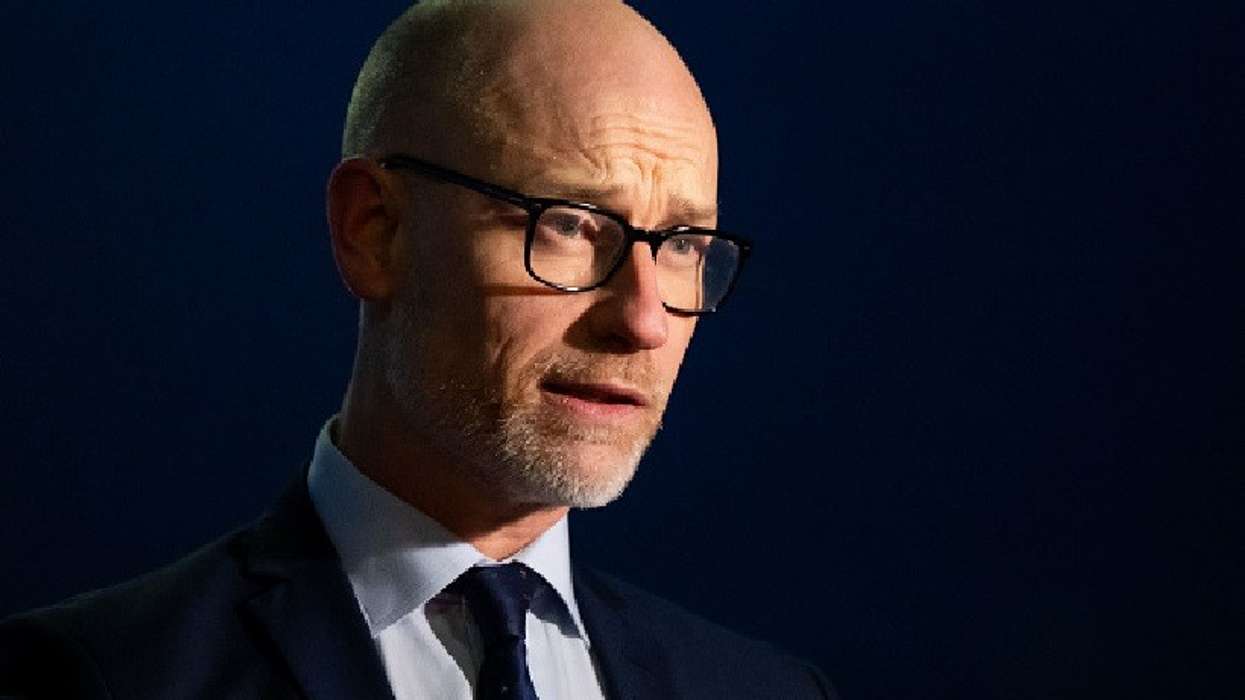
Pharmacy minister Stephen Kinnock, in a written reply to Liberal Democrat MP Helen Morgan, said the funding for community pharmacies is £800 million less in real-terms today than it was in 2015/16.
Pharmacies currently receive up to £3.073 billion a year for procuring and dispensing 1.1bn NHS medicines and providing various other safety and clinical services.
However, the government has confirmed that the real-terms value of pharmacy funding in 2015/16 was £3.864bn.
Since 31 March 2016, 1,479 pharmacies have closed down, a 13 percent contraction of the network.
At the same time, the workload of pharmacies has gone up, with a 16 percent increase in the number of NHS-prescribed medicines being dispensed.
Morgan said: “Pharmacies play a crucial role by reducing the pressure on overcrowded hospitals and GP surgeries. If we continue to underfund them, we risk putting hospitals already on the brink under even more pressure, leaving many patients to suffer unnecessarily.
"Without additional funding, more pharmacies will close – affecting rural, coastal and deprived communities the hardest – where they are most needed.
"With so many pharmacies already having gone to the wall and with many more at risk of closure, the government needs to change course. That means reversing the brutal cuts to pharmacies under the Conservatives and exempting pharmacies from the government’s disastrous jobs tax to prevent any future surge in closures."
The government had last March agreed to uplift pharmacy funding by 19 percent, following a decade of real-term cuts.
This new funding was welcomed, but it fell short of what the pharmacy network needs to survive.
The government’s own independently-commissioned analysis showed a £2bn funding shortfall.
However, the government had last year assured that it was committed to stabilise community pharmacy.
The Company Chemists' Association chief executive, Malcolm Harrison, said, “We welcome the minister’s finding that the sector is still significantly underfunded, despite the changes made a year ago.
"The Government has pledged to stabilise the community pharmacy network. This will only be possible with fair funding which reflects the workload the NHS and patients expect and need.
"Unfortunately, without action, patients will see further pharmacy closures and find it harder to access the medicines they need.
"As well as damaging the pharmacy sector, this underfunding significantly limits the NHS’ ability to meet patients’ needs. Pharmacies could release tens of millions of primary care appointments each year, but this is only possible with funding to stabilise the sector, and further investment so patients can access routine primary care from pharmacies closer to their homes and places of work."