





Key Summary
- Flu and RSV are easing overall, but older adults aren’t seeing the same drop
- People 85+ are still most at risk, with hospital admissions remaining high
- Vaccination and precautions remain vital, especially for older and vulnerable groups
The recent weekly report by the UK Health Security Agency (UKHSA) states that the winter virus cases remain stubbornly high among older adults, despite the overall fall in cases around New Year.
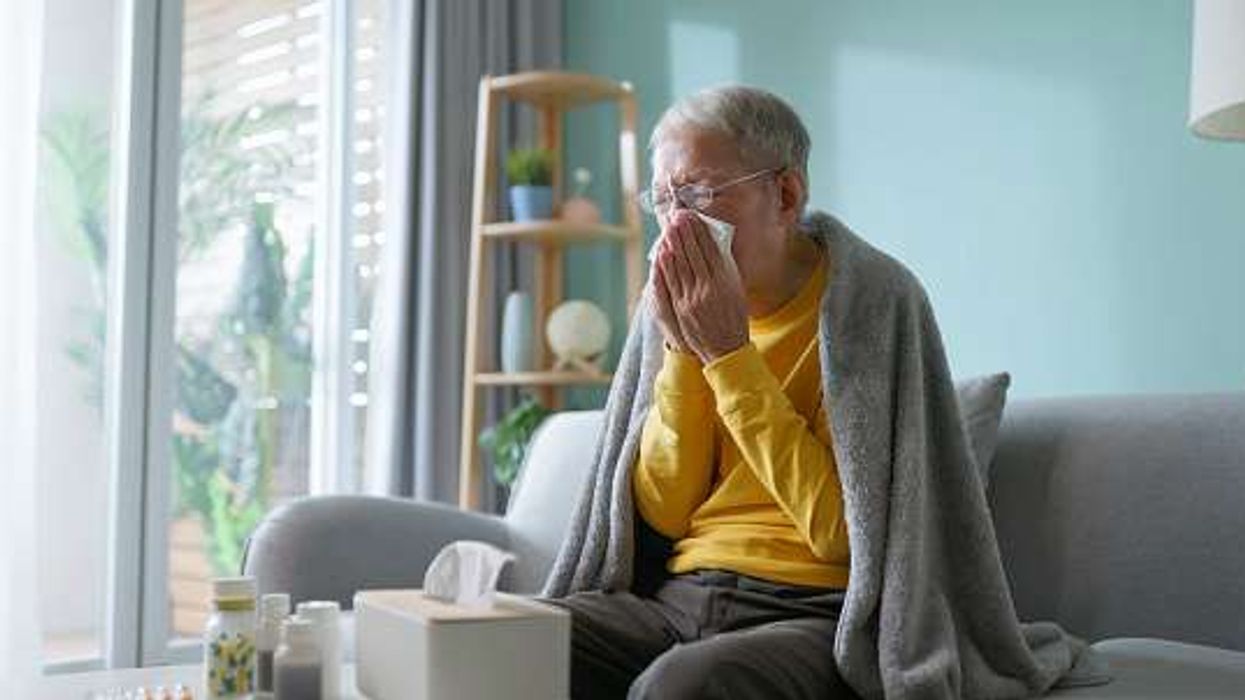
However, the levels of respiratory viruses among those aged 85 years and over, who are the most vulnerable to severe illness and hospitalisation, have not declined.
The latest data shows that hospital admissions for flu and RSV were highest among those aged 85 years and over in the first week of the year.
During the last week, flu positivity was down to 13.9 per cent, compared with 15.4 per cent from the week earlier, while flu hospitalisations remained stable at 7.19 per 100,000 compared with 6.85 per 100,000 in the previous week.
The respiratory syncytial virus (RSV) also saw a positivity decrease to 8.6 per cent from 10. 1 per cent, with 1.6 per cent Covid-19 positivity that remained the same.
Norovirus cases were also under control during the past week, but it is also highest among individuals aged 65 years and over.
The government has reiterated that people above 65 to take their flu vaccine, while people over 75 are eligible for their RSV vaccines.
Pregnant women, children below the age of 2 years to school year 11 and those who suffer from long-term health issues are the other eligible people for these vaccines.
“Further falls in flu levels overall are encouraging, but cases of flu and RSV among older age groups are staying stubbornly stable for now, with no signs of a drop in the number of older adults needing emergency care for respiratory illnesses,” commented Dr Conall Watson, consultant epidemiologist at UKHSA.
“People are returning to work and school after Christmas and this gives respiratory viruses like flu more chances to spread.”
Dr Watson reminded, “If you have symptoms, including a high temperature, cough and feeling tired or achy, you should try to minimise contact with others, especially those more vulnerable.”
Despite the efforts, elder citizens are still not safe, emphasising the need for vaccinations and other precautionary methods.