





Key Summary
- Stablepharma’s SPVX02 has successfully completed Phase 1 clinical trials, demonstrating safety comparable to refrigerated alternatives.
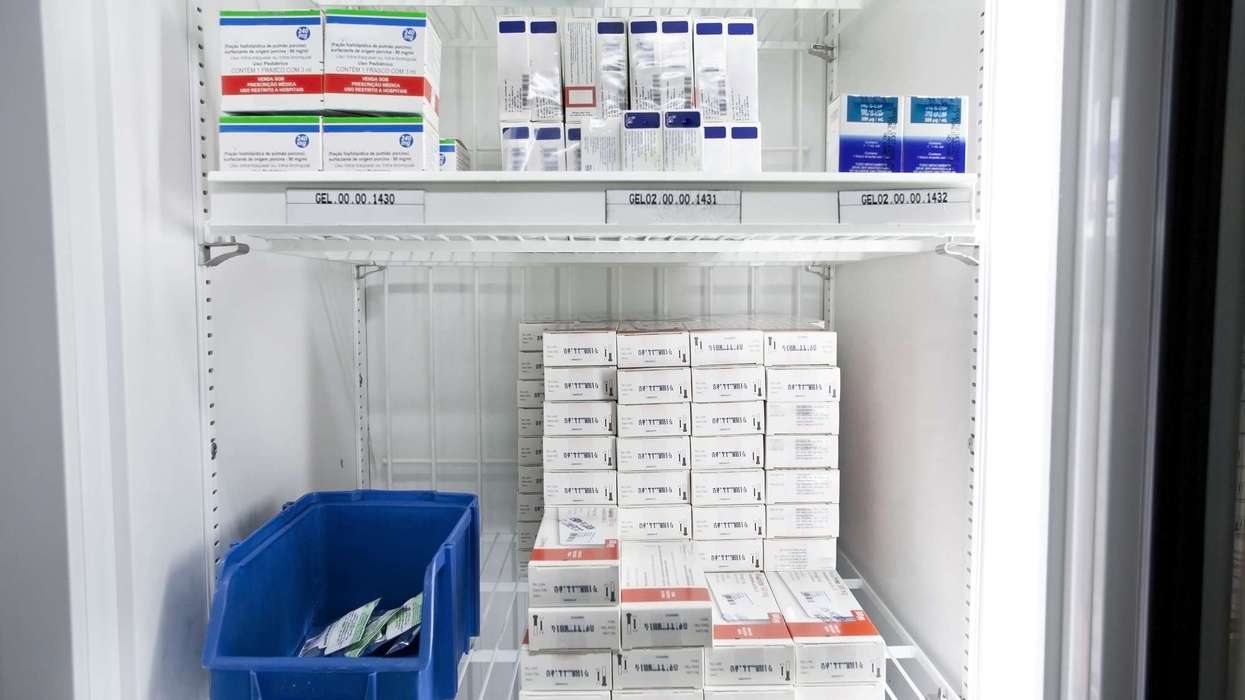
- Testing confirms the vaccine remains effective even after storage at 30°C for 24 months, potentially eliminating the need for a "cold chain."
- With the WHO estimating that 50 percent of vaccines are wasted annually due to temperature failures, this technology offers a solution for remote areas.
Stablepharma and the UK Health Security Agency (UKHSA) have tested SPVX02, a tetanus and diphtheria vaccine, designed to remain effective without refrigeration.
UKHSA’s Vaccine Development and Evaluation Centre (VDEC) provided specialist laboratory testing for the trial.
The vaccine has recently completed first-in-human clinical trials, a critical milestone in the journey towards potential licensing.
The World Health Organization (WHO) estimates that half of all vaccines produced worldwide never reach the people who need them because they lose their effectiveness before they can be used.
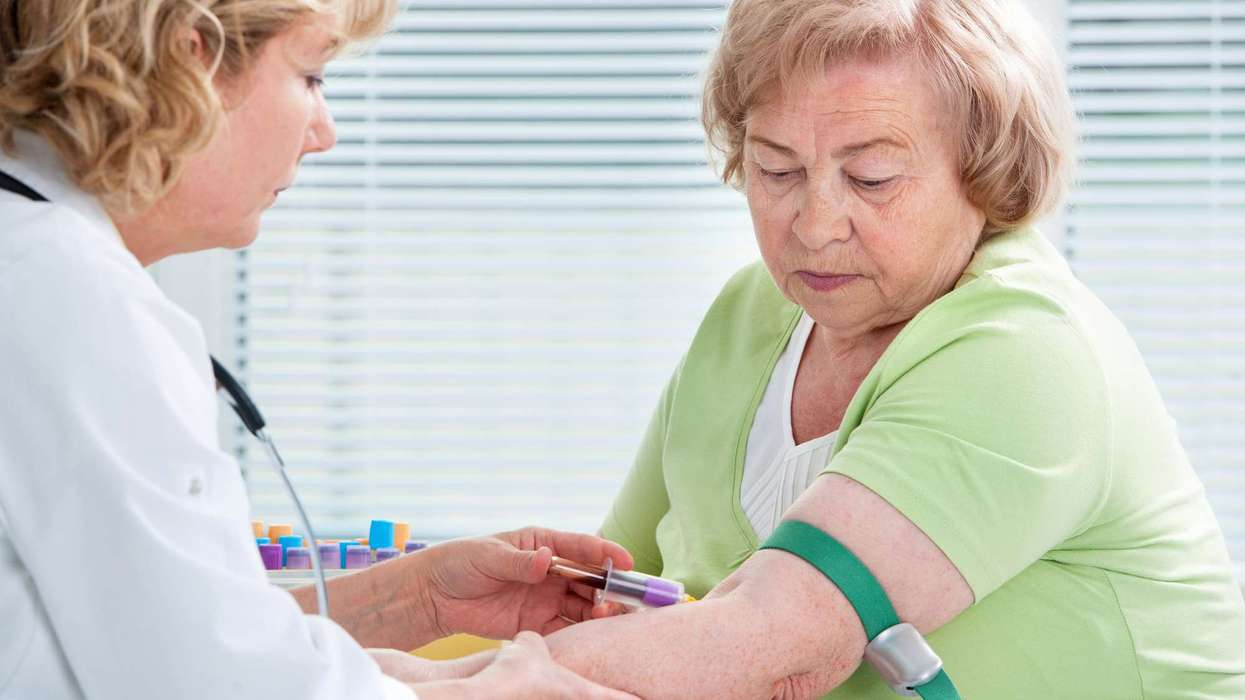
Scientists in the Clinical Evaluation Team analysed blood samples from the 60 healthy volunteers to measure antibody responses. Using validated protocols developed at Porton Down, the team confirmed that SPVX02 generated immune responses comparable to existing refrigerated vaccines.
The data generated will form part of the evidence submitted to the Medicines and Healthcare Products Regulatory Agency (MHRA) as the vaccine progresses towards potential approval.
The trial assessed whether SPVX02 was safe, well-tolerated, and capable of generating immune responses comparable to existing refrigerated vaccines.
A stable, room-temperature vaccine could dramatically reduce wastage, simplify distribution, and make immunisation programmes more resilient, particularly in low- and middle-income countries, and in emergency response situations. This aligns directly with both WHO objectives and UKHSA's commitment to strengthening global health security.
Dr Bassam Hallis, deputy director and the lead for the Vaccine Development and Evaluation Centre at UKHSA, said: “The progress in fridge-free vaccine technology is an excellent example of the huge contribution that the UK continues to make to transform public health through innovative technological and scientific advances. Fridge free vaccines could provide significant benefits for vaccine delivery and deployment across the world, particularly in areas where limitations in infrastructure make maintaining a cold chain more challenging.”
Dr Karen O’Hanlon, Chief Operating Officer at Stablepharma and SPVX02 programme lead, said: “Vaccines that do not require refrigeration at any point, from manufacture to deployment, offer a clear path to a more equitable, resilient, and sustainable healthcare system.”
Professor Saul Faust, Director of the NIHR Southampton Clinical Research Facility said: “The NIHR Clinical Research Facility and UKHSA collaboration with Stablepharma has accelerated the translation of this technology from laboratory science to potential patient impact and reinforces the leading role that the UK plays globally in vaccine research, development, deployment and evaluation.”
SPVX02 will undergo the next stage of clinical trials involving a larger number of healthy participants and will compare the effectiveness of SPVX02 to another vaccine already licensed for use in Europe.i
The trial is expected to be conducted at clinical study sites in the UK over the coming months.