







Smoking cessation is often overlooked in routine healthcare despite an increasingly strong evidence base for treatment, according to a new expert roundtable report that calls for community pharmacy to be placed at the heart of a more joined-up response.
The report, Smoking Cessation in 2026: Rebuilding Clinical Engagement and Making Every Contact Count, draws on a September 2026 discussion between two pharmacists and two GPs. It describes a gap between the treatments available to help people stop smoking and the support routinely offered in practice.
One community pharmacist on the panel reported receiving only around two hospital referrals in the first three to four years of running a stop-smoking service. The advisers argued that referrals between hospitals, general practice and community pharmacies need to work reliably if people are to receive continued support.
They also identified persistent misconceptions about nicotine replacement therapy (NRT). Combination NRT – typically a patch alongside a faster-acting product to manage cravings – together with behavioural support was highlighted as a first-line, evidence-based option.
For pharmacy teams, the message was to use the consultations already taking place. Pharmacy First appointments, New Medicine Service reviews, flu vaccinations and relevant over-the-counter purchases can all provide an opportunity to deliver 30 seconds of Very Brief Advice and offer treatment or referral.
Aleena Khan, HCP Marketing Brand Manager, Kimberly-Clark, said: “The most striking message from this discussion is that we already have effective ways to help people stop smoking, but too many opportunities to use them are being missed. Pharmacists see people every day who may never attend a dedicated stop-smoking clinic. Giving teams the training, confidence and connected referral pathways to act on those conversations could make a real difference.”
“The report also highlighted the need to address misconceptions about NRT and make it easier for people to move between pharmacy, general practice and hospital services without losing support.”
The roundtable also identified an emerging gap in care for people who want to stop vaping. The advisers recommended structured support, including consideration of NRT to manage withdrawal, while taking care not to prompt a return to smoking.
Alongside more consistent local commissioning and clearer referral routes, the panel called for compulsory education in evidence-based smoking cessation and nicotine dependence to be embedded in undergraduate healthcare curricula.
The report concludes that the immediate challenge is less about discovering new treatments than consistently delivering interventions that are already supported by evidence.
The roundtable took place in September 2026. Participants were Dr Alex Bobak, GP with a Special Interest in Smoking Cessation; Reena Barai, Community Pharmacist and Independent Prescriber; Darush Attar-Zadeh, Respiratory Specialist Pharmacist; and Dr Roger Henderson, GP and Health Broadcaster (chair).
Click here for Nicorette® Product Information.
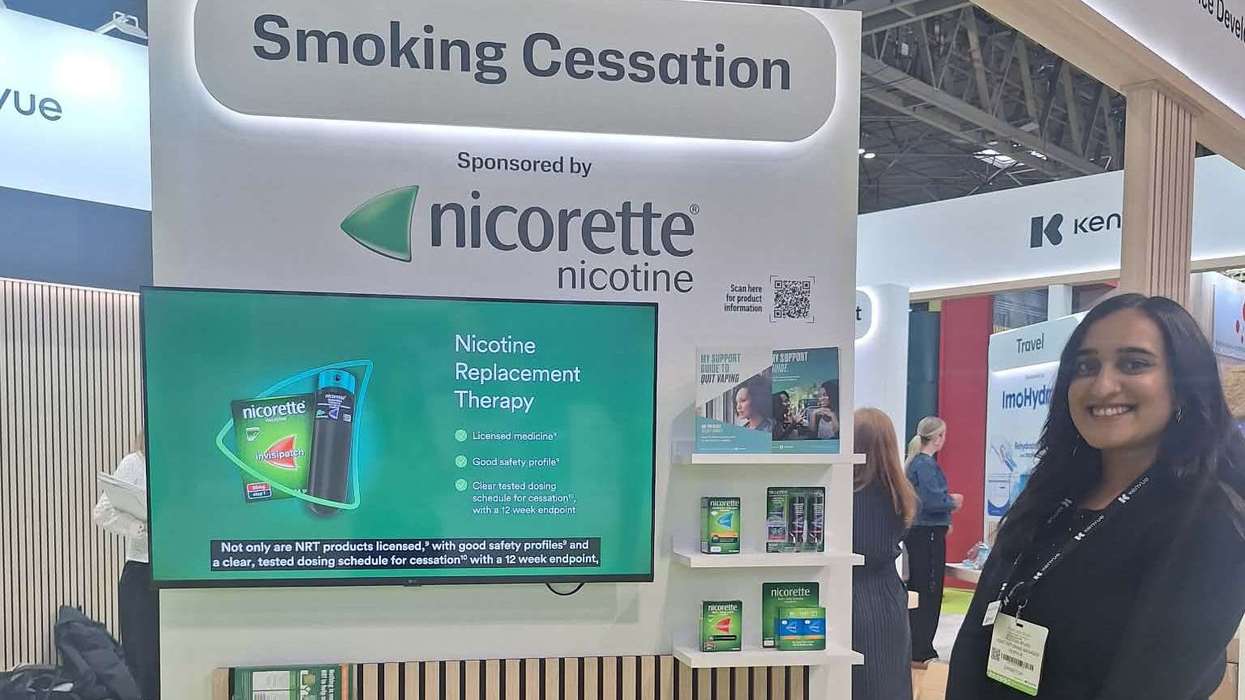 Aleena Khan, Kimberly-Clark: Pharmacists see people every day who may never attend a dedicated stop-smoking clinic.Nicorette