




Key Summary
- The plans was scrapped due to public backlash and low potential savings.
- A new fee of over £500 per day has been introduced for patients who remain in the hospital after being cleared for discharge.
- Starting 13 April, free emergency care for visitors is restricted, while work-permit holders gain access to free ongoing care.
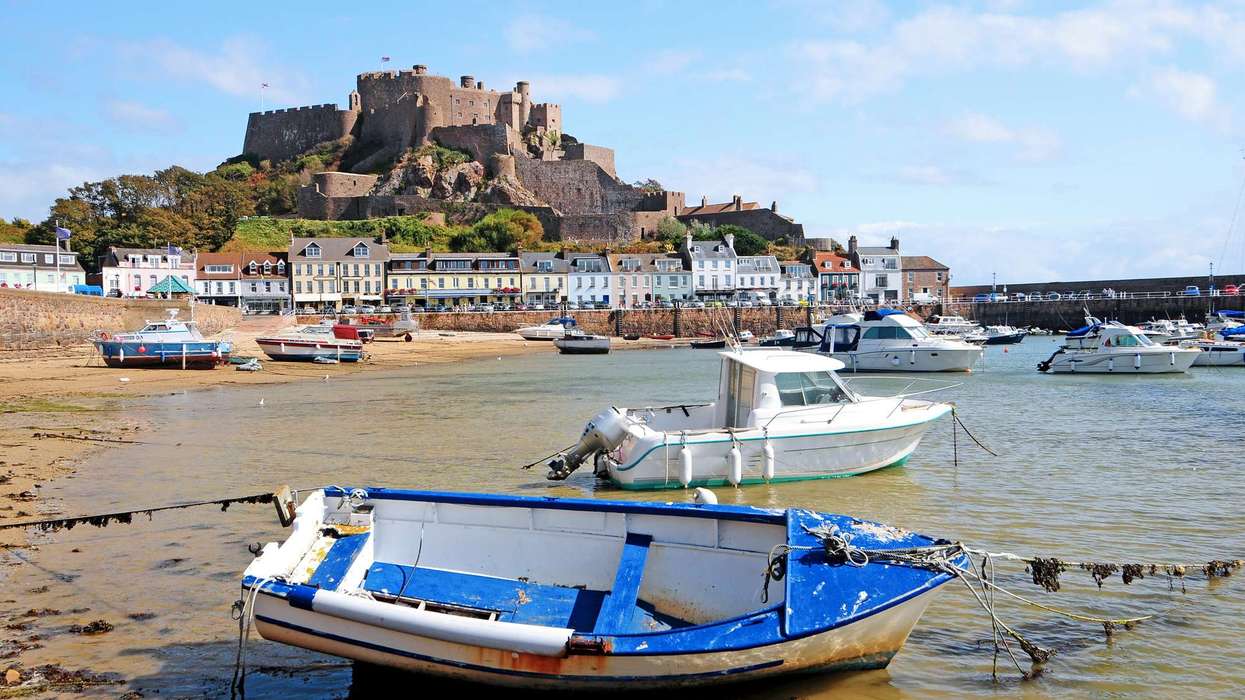
The Jersey government had dropped its plan to make the wealthiest pay to access healthcare in the UK, BBC reports.
The decision follows the opposition to the proposals, which would have impacted roughly 30 percent of the island's population.
Under current rules, the government covers all costs for public patients required to travel to the UK for specialist treatment.
However, draft policies were made in February suggesting that households with an annual income exceeding £210,400 should contribute to, or fully cover, their own transport and lodging.
Health minister Tom Binet had earlier disclosed in the States Assembly that the move could save the public £250,000 annually.
Binet noted that the relatively small financial gain did not justify the stress the policy caused the community.
Data shows that in 2025, over 2,500 Jersey patients were referred to the UK for care that was not available locally.
However the government is going ahead with other healthcare cost measures ahead of the 7 June general election.
It includes a £500-per-day fee for "bed-blocking" - targeting patients who stay in local hospital beds after being declared fit for discharge.
There will be a shift in eligibility norms from 13 April. Visitors to Jersey will be charged for emergency hospital care unless their home country has a reciprocal agreement.
Conversely, those working locally on work permits will see an expansion of rights, becoming eligible for free ongoing care following any emergency hospital admission.
These changes come as Jersey’s health department manages a £381m budget for 2026, marking a significant £60m increase over the previous year.