







Key Summary
- UKHSA reports an increase in Legionnaires' cases in North West and South West London.
- Health officials are cross-referencing patient movements to identify a potential environmental source.
- Managers of large water systems in affected areas have been ordered to carry out emergency chlorination.
The UK Health Security Agency (UKHSA) has launched an investigation into an unexpected increase in cases of Legionnaires' disease, a severe form of pneumonia, in various parts of London, BBC reports.
Specialists are interviewing patients and their families to retrace their steps and their feedback is being cross-referenced for potential infection sources, the UKHSA said.
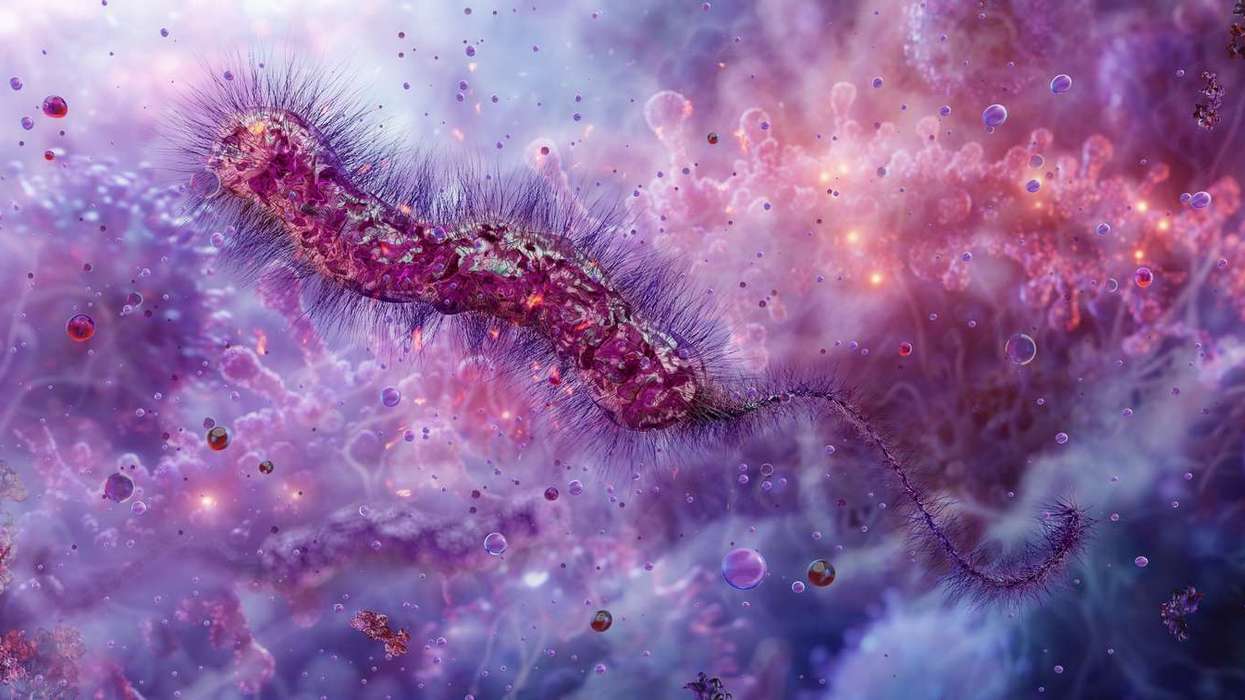
Legionnaires' disease is caused by inhaling aerosolised water droplets containing Legionella bacteria, and it is usually picked up from sources such as air conditioning systems, showers, and taps.
The majority of cases are reported as single, isolated cases, but outbreaks can occur, according to the UKHSA.
It is routinely treated with antibiotics and is not easily passed from person to person. However, the agency said around 300 cases were reported annually in England and Wales.
Dr Janice Lo, consultant in health protection for London at the UKHSA, said: "At this stage, a common source has not yet been confirmed, but we are undertaking further investigations."
Lo said that Legionella bacteria can multiply in large water systems within buildings. “It is important that water systems are properly maintained with regular testing and treatment to ensure that bacteria do not multiply and cause a risk to health,” she added.
The managers of cooling towers and large water systems within the affected areas have been instructed to urgently treat their system with high doses of chlorin, the UKHSA added.
Signs and symptoms of Legionnaires' disease include a flu-like illness with muscle aches, tiredness, headaches, dry cough and fever, and people with these symptoms should call NHS 111 or their GP for medical advice.