


Key Summary
- Lilly's officials are in talks with UK ministers and are hopeful of a positive outcome.
- The drug rebate scheme is expected to fall in 2026, but Jonsson said he wants it to come down to zero over time.
- Lilly is also in talks to explore “innovative” pricing plans for Mounjaro weight-loss jabs through the NHS.
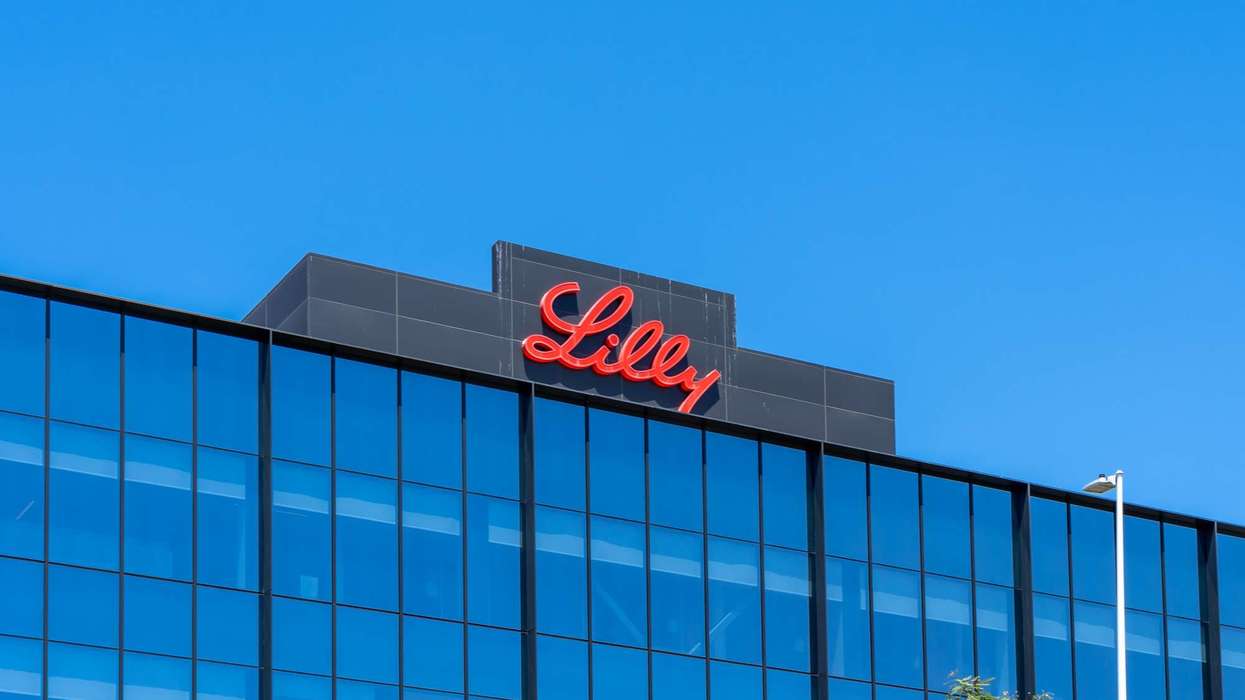
US pharmaceutical giant Eli Lilly has said it would consider lifting its pause on investments in the UK, if the NHS drug prices are periodically increased and the rebate scheme is scrapped.
Lilly's president of international business, Patrik Jonsson, told the Financial Times that it was in talks with UK ministers and that he was optimistic about reaching an agreement for Britain to pay more for its medicines.
The manufacturer of the popular weight-loss drug Mounjaro, had last year paused its plans to invest in a laboratory site in central London.
It was one of several pharmaceutical companies to ditch or pause almost £25bn in planned investments in the UK last year.
Jonsson told the daily that the talks would also explore “innovative” pricing plans for the NHS, such as linking payments for anti-obesity drugs to whether the treatment helps patients return to work.
The UK and the US announced a deal last year to secure zero tariffs on British pharmaceutical products and medical technology in return for Britain spending more on medicines and overhauling how it values drugs.
Under the agreement, Britain had agreed to raise the net price it pays for new US medicines, the first increase in 27 years.
The deal includes a significant change to the value appraisal framework at the UK's National Institute for Health and Care Excellence (NICE), which determines whether new drugs are cost-effective for the NHS.
NICE's "quality-adjusted life year" threshold, currently £30,000 per year, will rise to £35,000.
This will allow NICE to approve medicines that deliver significant health improvements but might have previously been declined purely on cost-effectiveness grounds.
Rebate scheme
Pharma giants are also opposed to UK “rebate” scheme, under which they are required to pay back a chunk of revenue from sales of branded medicines, if the amount the public health service uses is higher than an agreed rate.
This is expected to fall in 2026, but Jonsson said he wants it to come down to zero over time.
Lilly is expected to launch a pill version of the weight-loss drug later this year.
Meanwhile, the patents of its rival Novo Nordisk's weight-loss drugs Wegovy and Ozempic have expired in India, and this year it will become patent-free in Brazil, China, South Africa, Turkey and Canada. This is expected to trigger a wave of cheaper generics version of the drug.