








Key Summary
- Pharmacies usually provide MenB and MenACWY vaccines only for travel purposes, and hence they had limited stocks.
- Pharmacists had to deal with increased workload, as they had to source vaccines and address people's concerns.
- The meningitis outbreak highlights the need for greater integration of community pharmacy into public health delivery.
The recent outbreak of meningitis in Kent in early March had a ripple effect on pharmacies across the UK, and pharmacists had a tough time dealing with a spike in enquiries about vaccines and antibiotics.
The UK Health Security Agency (UKHSA) claimed that what made the outbreak at the University of Kent in Canterbury unusual was the rapid emergence of cases and two fatalities.
There were 15 cases within 48 hours, while other outbreaks managed by UKHSA involve two to four cases occurring over a longer timeframe.
The outbreak is believed to have spread from a nightclub in Canterbury.
This had sparked panic among the youngsters and their family members with thousands lining up for vaccines and antibiotics.
Pharmacies usually provide MenB and MenACWY vaccines only for travel purposes, with a few bookings annually and hence they maintain limited stocks. And this facility is not provided by all pharmacies.
Widespread panic
But once the meningitis outbreak began dominating the headlines, they were deluged with enquiries from panic-stricken youngsters and their parents.
Yasser Abboud, pharmacist manager at Asda's Reading branch told Pharmacy Business, "Patients often assume pharmacies can provide immediate access, which can make it challenging when supply is inconsistent or unavailable locally. This has also increased workload, as pharmacists are spending more time signposting patients to alternative providers such as GP surgeries or travel clinics."
Another pharmacist Prabjaudt Channa, director, Priory Pharmacy in York, told Pharmacy Business that vaccine supply has been intermittent with limited stocks.
"We are receiving a high volume of calls from concerned patients seeking vaccination. To manage this effectively, we have implemented a structured waiting list system. Patients are contacted promptly once stock becomes available, allowing us to prioritise and streamline vaccination delivery."
Channa claimed his pharmacy was providing meningitis vaccinations for travellers and hence they were better placed than other pharmacies.
"From a capacity perspective, we are well-positioned to deliver these vaccinations without significant disruption to our existing workflow. The primary constraint is not operational capacity but vaccine availability and clarity around any potential national or locally commissioned vaccination programme," he said.
People's concerns
When asked about the common concerns raised by patients regarding meningitis, Abboud said people wanted to know about early symptom recognition, eligibility for vaccination, and risk of transmission.
"Many patients initially present with anxiety driven by media coverage, which is understandable following recent public health events such as COVID-19. Our role has been to de-escalate concern while reinforcing awareness," he said.
He and his team members tried to explain to people the early warning signs (fever, neck stiffness, photophobia, rash) and clarify who is most at risk.
They directed patients to trusted sources such as NHS and UKHSA guidance.
Channa said the people wanted to know how Meningitis gets transmitted, and their individual level of risk.
"There is also a heightened level of anxiety influenced by recent experiences during the COVID-19 pandemic, with some patients questioning whether this could escalate into a similar public health situation," he said.
He said his team has focused on clear, evidence-based reassurance.
"We have been educating patients on transmission routes, typical risk groups, symptom awareness, and the current status of the outbreak, emphasising that it remains contained at present," he said.
Antibiotics demand
Now that the outbreak has run its course, Abboud fears the demand for antibiotics is expected to increase.
"There is a real risk of strain on antibiotic supply, particularly if prescribing increases rapidly as a precautionary measure or if demand rises sharply across the system.
"We have seen similar patterns before where heightened concern leads to defensive prescribing," he said.
Abboud fears this can put pressure on supply chains and increase antimicrobial resistance. He said the challenge lies in ensuring "appropriate use rather than overuse".
"Pharmacists play a critical role in supporting antimicrobial stewardship and advising when antibiotics are, or are not, necessary," he added.
Channa claimed he does not anticipate an immediate or severe antibiotic shortage and the current situation appears to be relatively contained.
However, supply chains could face strain if the case numbers increase significantly. "It will be important to proactively monitor stock levels and ensure supply continuity."
Abboud said this meningitis outbreak highlights the need for greater integration of community pharmacy into public health delivery.
Role of pharmacies
"Going forward, I expect greater consideration of pharmacies as vaccination hubs, alongside more emphasis on rapid response frameworks involving pharmacies, as well as improved stock planning and distribution systems for vaccines and critical medicines.
"Community pharmacy is one of the most accessible healthcare settings in the UK, and events like this reinforce its potential to play a much bigger role in outbreak management and prevention.
"As frontline healthcare professionals, pharmacists are often the first point of reassurance for patients. Strengthening our role in public health responses is not just beneficial - it is essential.
Channa said the current situation highlights the importance of proactive vaccination strategies and the role of community pharmacy in rapid public health response.
"Meningitis vaccination is already embedded within the childhood immunisation schedule, but there is a strong case for considering broader access, potentially extending into adult vaccination programmes.
"From a preparedness perspective, pharmacies are well placed to support future vaccination campaigns, provided there is timely commissioning and reliable vaccine supply.
"Strengthening supply chains and formalising the role of community pharmacy in outbreak response will be key to enhancing resilience across Kent."
Preventive measures
Meningitis is caused by meningococcal bacteria and it leads to the inflammation of the membranes around the brain and spinal cord, as well as a form of blood poisoning known as septicaemia.
Meningococcal disease can progress rapidly, with common symptoms being fever, headache, rapid breathing, drowsiness, shivering, vomiting, and cold hands and feet.
These symptoms often get confused with other illnesses such as a cold, flu or hangover, and students are particularly at risk of missing the early warning signs.
Meningitis is caused by meningococcal bacteria, and it leads to the inflammation of the membranes around the brain and spinal cord, as well as a form of blood poisoning known as septicaemia.
Meningococcal disease can progress rapidly with common symptoms being fever, headache, rapid breathing, drowsiness, shivering, vomiting, and cold hands and feet.
These symptoms often get confused with other illnesses such as a cold, flu or hangover, and students are particularly at risk of missing the early warning signs.
Since 2015, the meningitis B shot has been given to babies, who are the highest-risk group for the disease, with a different vaccine against other strains given to teenagers.
Meningitis B vaccine offers protection against meningococcal group B bacteria, which are a common cause of meningitis in young children in the UK.
The vaccine is recommended for babies aged 8 weeks, followed by a second dose at 12 weeks and a booster at 1 year.
The MenACWY vaccine offers protection against 4 types of bacteria that can cause meningitis: meningococcal groups A, C, W and Y and is offered to teenagers aged 14 years.
Lancet study
Meanwhile, a study published in the journal Lancet Neurology has stated that more than a quarter of a million people worldwide die from meningitis a year.
Since 2000, the widespread availability of vaccines has brought down the number of meningitis cases and deaths across the world.
However, 259,000 people were estimated to have died worldwide in 2023, according to the new research by the US-based Institute for Health Metrics and Evaluation (IHME).
The "African meningitis belt", which stretches across the continent from Senegal to Ethiopia, had the highest rate of cases.
Nigeria, Chad and Niger were particularly hard hit.
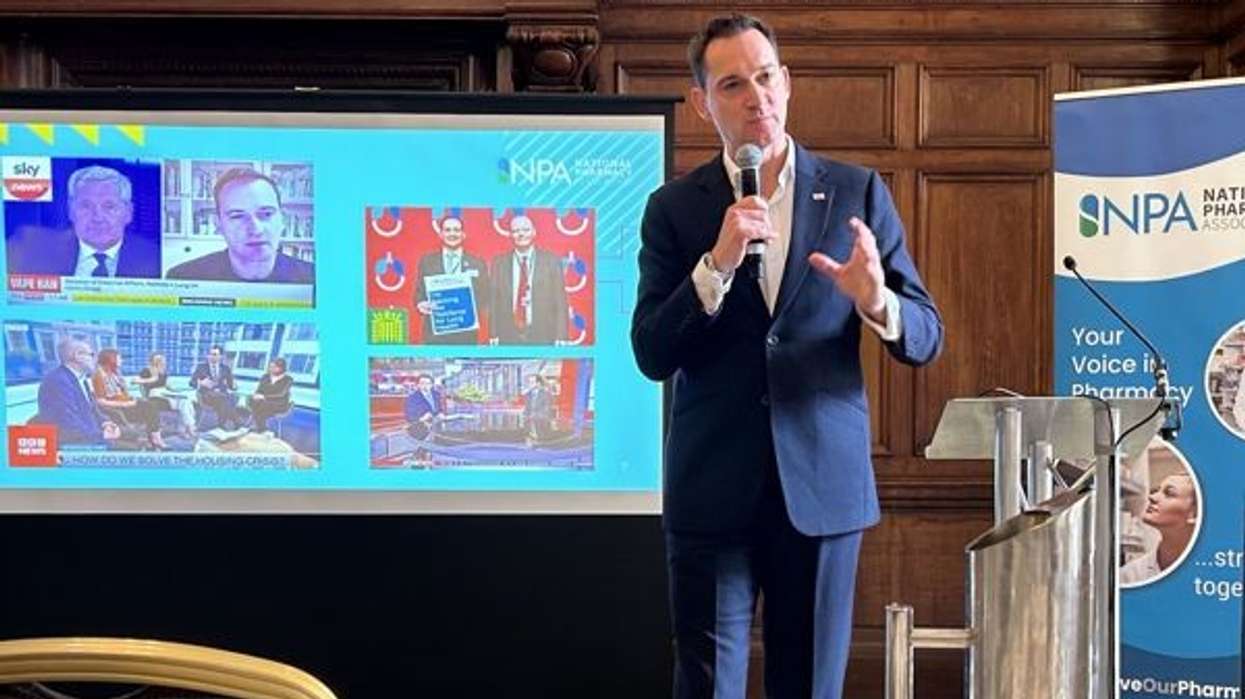
Commenting on the Lancet study, Olivier Picard, Chair of the National Pharmacy Association, said, "This is an alarming report.
"We are concerned by falling vaccination rates for a number of diseases, including meningitis as well as measles, which shows our approach to childhood vaccination is not fit for purpose and is in need of urgent reform to tackle a growing wave of vaccine hesitancy.
"It's clear there are gaps in the original national vaccination strategy for meningitis and pharmacies want to reach those in need of protection.
"The NHS should urgently commission pharmacies to provide a catch up vaccination service for teenagers who did not receive their MenACWY immunisations as well as commissioning pharmacies to support NHS colleagues with wider childhood vaccinations.
"Pharmacies are awaiting recommendations from the JCVI on future plans for MenB vaccination and stand ready to support any national vaccination efforts."