


Key Summary
- Once a lump is flagged, a robotic camera is used to guide biopsy tools with far greater precision than standard techniques.
- This will help in early detection of the disease and better treatment outcomes.
- NHS is planning to expand lung cancer screening and reduce healthcare inequalities as part of the National Cancer Plan.
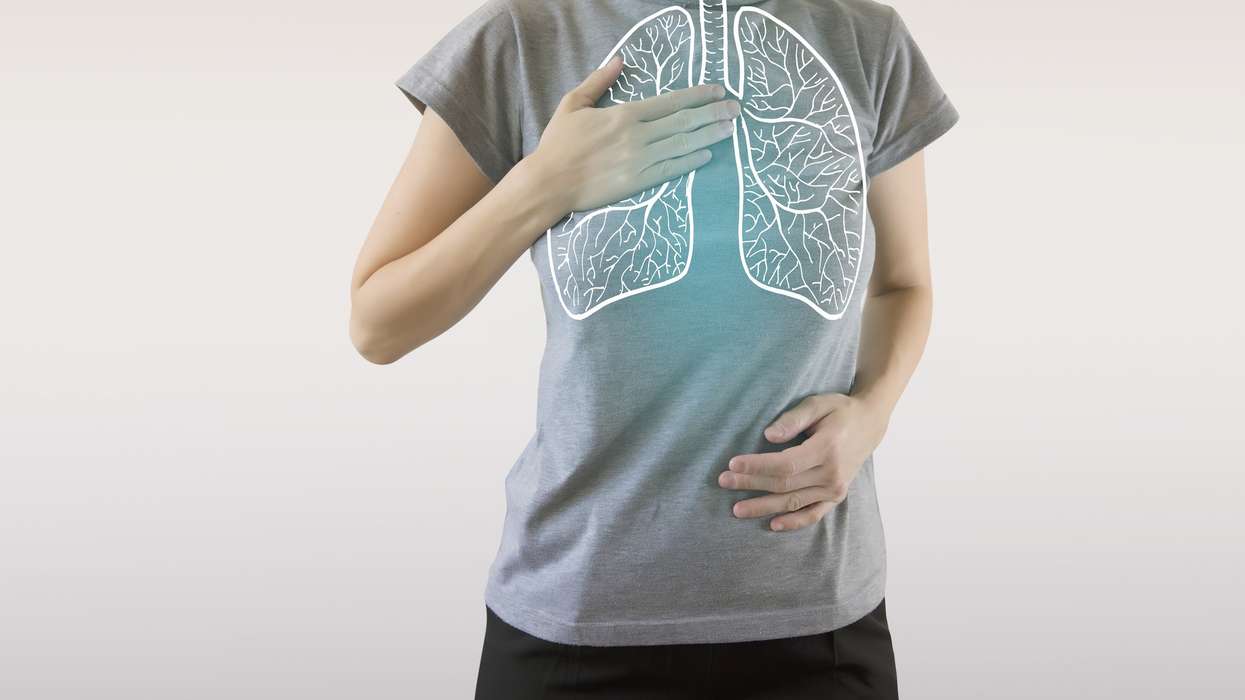
A new NHS pilot is using artificial intelligence and robotic technology to carry out lung scans and spot small lumps that may be cancerous.
Once a lump is flagged, a robotic camera is used to guide biopsy tools through the airways with far greater precision than standard techniques.
The robot can reach nodules as small as 6mm - around the size of a grain of rice - hidden deep in the lung and often too risky or difficult to access using existing methods.
The new lung cancer diagnosis technique helps doctors find hard-to-detect cancers with fewer invasive tests.
Once AI has highlighted higher-risk areas, doctors can take a precise tissue sample, which is sent to specialist laboratories for review.
This will spare patients from undergoing repeat scans and procedures, and a single half-hour biopsy can reduce their prolonged uncertainty.
They can also start early treatment if they are diagnosed with the disease.
The pilot comes alongside NHS plans to expand lung cancer screening and reduce healthcare inequalities as part of the National Cancer Plan.
From January, the pilot formally launches at Guy’s and St Thomas’, with planned expansion to King’s College Hospital NHS Foundation Trust and Lewisham and Greenwich NHS Trust, allowing more patients referred with suspected lung cancer to benefit from the new approach.
If successful, the pilot will help the NHS generate evidence to develop a national commissioning policy for robotic bronchoscopy, supporting more consistent access to the technology across the NHS in the future.
NHS England’s National Clinical Director for Cancer professor Peter Johnson, said, “Waiting to find out if you might have cancer is incredibly stressful for patients and their families.
“Our lung cancer screening programme means that we are picking up more cancers at an early stage than ever, and by bringing AI and robotics together in this trailblazing NHS pilot, we’re bringing in the very latest technology to give clinicians a clearer look inside the lungs and support faster, more accurate biopsies.
“This is a glimpse of the future of cancer detection. Innovation like this is exactly how we can help diagnose more cancers faster, so treatment can be most effective.”
More than 1.5 million people have attended an NHS lung health check since 2021, helping identify thousands of cancers at an earlier, more treatable stage and increasing the need for safe, precise biopsy techniques like robotic bronchoscopy.
The expansion is set to see the NHS invite 1.4 million people for a lung cancer check next year.
The programme is expected to diagnose up to 50,000 cancers by 2035 and at least 23,000 at an earlier stage.
Health secretary Wes Streeting said, “When I was diagnosed with kidney cancer, the NHS saved my life using robotic technology.
"That experience showed me what's possible when brilliant clinicians have access to cutting-edge innovation – it saves lives."