







Seven in 10 adults in England are unaware that they can receive treatment for shingles through their local pharmacy without seeing a GP first, highlighting a significant gap in public understanding of community pharmacy services, according to new polling commissioned by the National Pharmacy Association (NPA).
The survey found that 70 per cent of adults did not know that pharmacists could prescribe treatment for shingles through the NHS Pharmacy First service. This included 28 per cent who believed pharmacies could not provide the treatment and 42 per cent who were unsure.
Awareness was also limited around treatment for uncomplicated urinary tract infections (UTIs) in women. Some 37 per cent of women surveyed did not know that pharmacies could prescribe treatment for the condition without requiring a GP appointment. This included 17 per cent who believed pharmacies could not provide the service and 20 per cent who were unsure.
The findings come as the NPA marked its annual Ask Your Pharmacist Week campaign, running from November 2 to 9, to encourage people to make greater use of the healthcare services available through their local pharmacies.
The survey also revealed stronger awareness of other Pharmacy First services. Some 88 per cent of respondents believed pharmacies could provide treatment for sore throats, while 79 per cent thought they could help with infected insect bites.
Why are patients still unaware of pharmacy services?
The NPA said significant progress had been made in raising awareness of the clinical services offered by community pharmacies, but more needed to be done to ensure patients understood the range of care available.
The role of pharmacies has expanded in recent years, with services including blood pressure checks for people over 40, oral contraception and medicines support for patients with conditions such as Parkinson's disease, depression and osteoporosis.
Through Pharmacy First, pharmacists in England can also assess patients and, where clinically appropriate, provide prescription treatments for seven common conditions without requiring them to see a GP first.
These include shingles, uncomplicated UTIs in women, sore throats, sinusitis, ear infections, infected insect bites and impetigo.
Despite the expansion, the NPA's findings suggest that many people continue to associate treatment for these conditions primarily with general practice.
Henry Gregg, chief executive of the NPA, said community pharmacies were part of the NHS and had taken on a significantly wider range of clinical services in recent years.
He said the polling showed that more needed to be done to make people aware that they could receive care locally for a range of common conditions.
Gregg added that the public wanted more services closer to home and that, with sufficient government investment, community pharmacies could provide greater support for long-term conditions, expand vaccination services and improve access to treatment for common illnesses.
Does the public support a greater role for pharmacies?
The polling suggests that public support for expanding community pharmacy services is considerably higher than awareness of some treatments already available.
Almost nine in 10 adults in England, or 87 per cent, backed making more healthcare services available through their local pharmacy.
The survey also found that 81 per cent of adults had visited a pharmacy at least once during the previous year, while 40 per cent said they visited at least once a month. Among people aged over 65, the proportion visiting monthly rose to 58 per cent.
Based on its analysis of the polling, the NPA estimated that around 40 million people visited a pharmacy during the year.
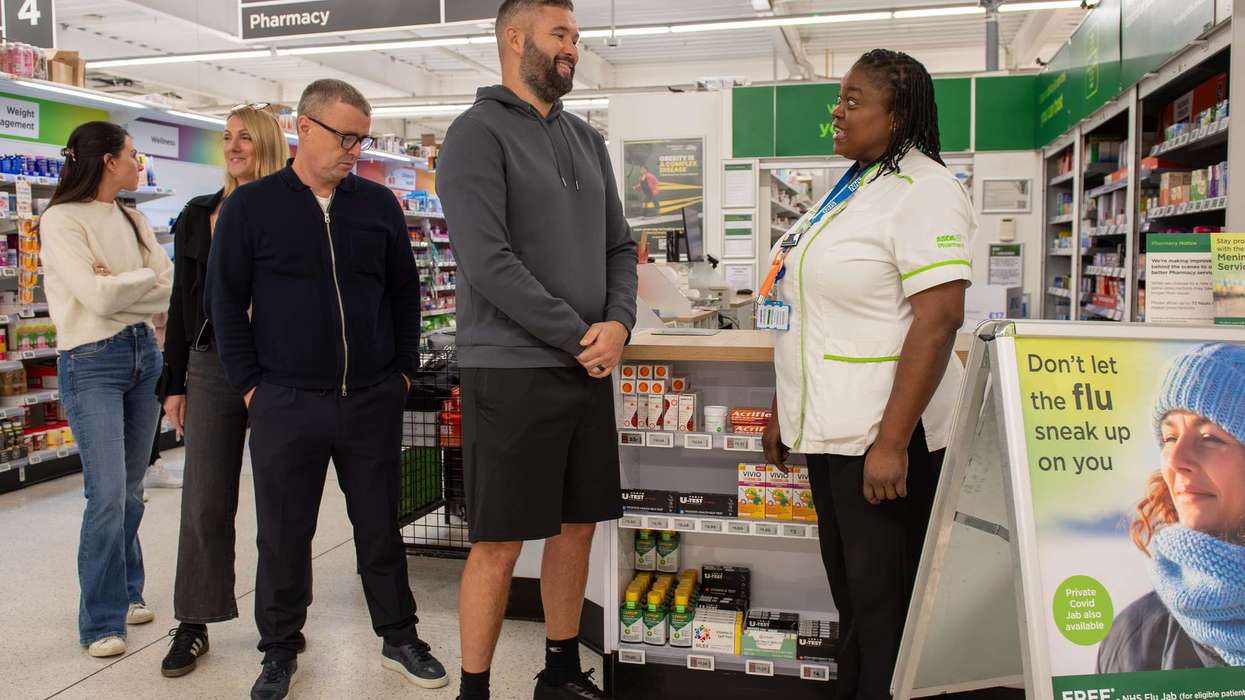
Ask Your Pharmacist Week is an annual UK-wide initiative during which pharmacies display campaign materials, share information on social media and invite local representatives to learn more about the services available in their communities.
The latest findings suggest that increasing awareness may be just as important as expanding the range of services. With millions already visiting pharmacies regularly, better communication about existing treatment options could help more patients access care without needing to make a separate GP appointment.