



Key Summary
- OTC products help NHS save £6.4 billion annually in avoided prescription and appointment costs.
- It helps reduce the economic costs of lost productivity by helping UK employees work an average of five extra days per year.
- PAGB wants the government to include OTC sector in the Life Sciences Council
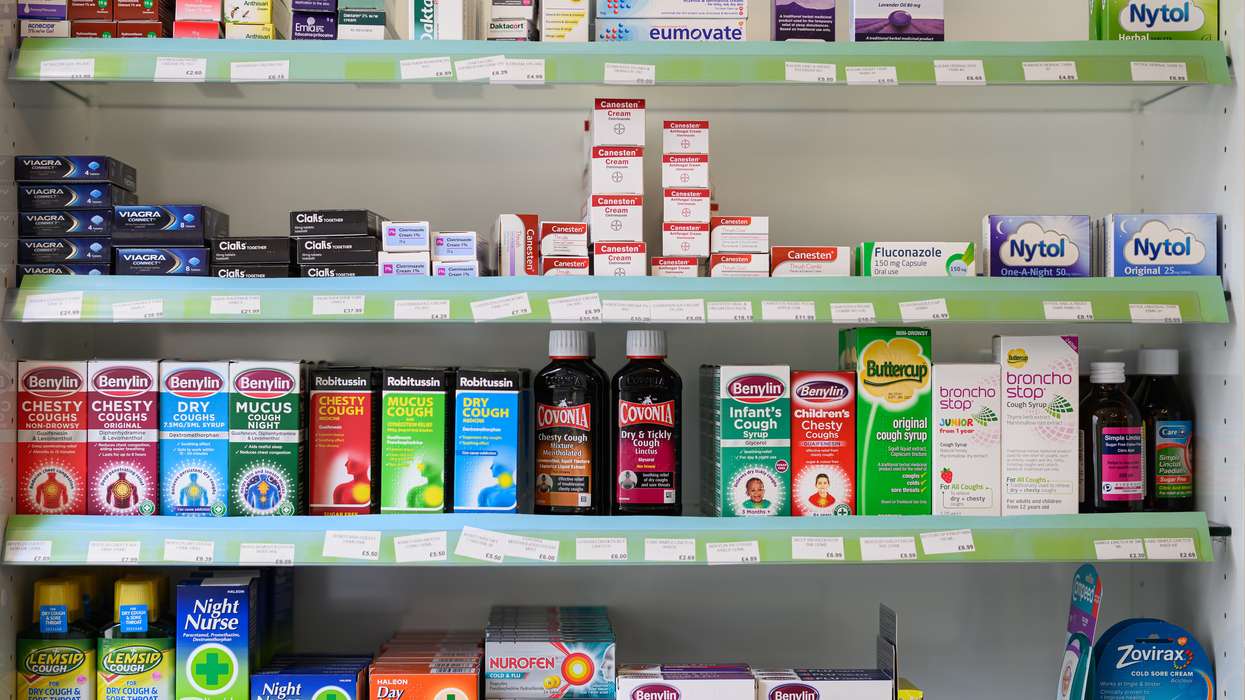
A PAGB report has stated that self-care, enabled by OTC products, helps the NHS save £6.4 billion annually through avoided prescription and appointment costs.
The consumer healthcare association added that, if self-care is further promoted, it has the potential to save an additional £1.7 billion.
The report, however, lamented that although the government has identified life sciences as a high-growth opportunity sector, it has overlooked the OTC sector in its Life Sciences Sector Plan.
It pointed out that OTC products help reduce the economic cost of lost productivity by £18 billion annually, with OTC medicines enabling UK employees to work an average of five extra days per year.
The report stated that each year, 25 million GP appointments and 5 million A&E visits are for self-treatable illnesses.
If individuals were to use OTC products, this would generate a further £350 million per year in productivity gains by avoiding time off work for unnecessary healthcare visits.
The report also explored the economic growth potential the OTC sector offers in the coming years.
As highlighted in the 10 Year Health Plan, the UK consumer health market was valued at £4.1 billion in 2024, with an 8 percent increase in sales compared to 2023 and strong growth projections for the next five years.
The OTC sector also contributes £2.8 billion through exports and £600 million in wages annually, supporting jobs in regions prioritised for economic renewal.
The report urged the government to prioritise the implementation of self-care commitments outlined in the 10 Year Health Plan.
PAGB wants the government to recognise the value of the OTC sector by including it in the Life Sciences Council to represent the views and needs of the industry.
By doing so, the UK can unlock significant benefits for patients, the NHS, and the economy, it added.
The report also noted that embedding self-care across the system and supporting an enabling regulatory environment for reclassification can unlock significant value for patients, the NHS, and the wider economy.
Reclassification is the process by which medicines change categories to become available OTC. It aims to maximise timely access to effective medicines while minimising the risk of harm from inappropriate use.
Consumer healthcare brand Opella’s UK chief, Nick Linton, supported PAGB’s call to secure a seat on the Life Sciences Council.
In a LinkedIn post, he said: “You cannot credibly talk about prevention, productivity, and a sustainable NHS while leaving the sector that enables everyday self-care outside the room.”