


Key Summary
- A January 2026 survey conducted by ActionAidUK revealed that more than one in ten women in the UK still struggled to afford period products in the last year.
- Among those struggling, 64 percent had to prioritize buying food, while 40 percent prioritized spending on gas or electricity over period care.
- More than a third (36 percent) said they wore single-use pads or tampons for longer.
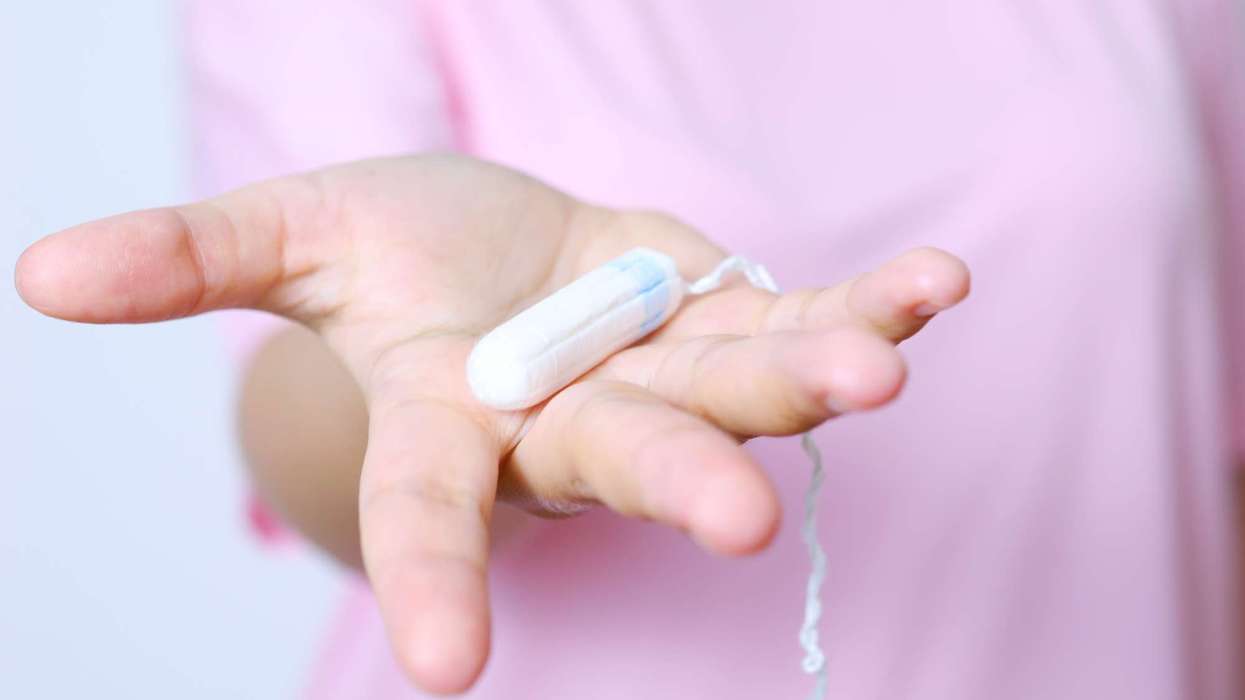
Access to menstrual health remains a challenge in the UK, with more than one in ten women (11 percent) struggling to afford period products, either for themselves or a dependent in the last year, according to a new survey.
About 36 percent said they wore single-use pads or tampons for longer duration, which could lead to serious bacterial infections such as Toxic Shock Syndrome (TSS).
Over a quarter or 27 percent said they used tissues or cotton wool, and 6 percent resorted to using paper.
Many had to forego pads, with 64 percent reporting that they had to prioritise buying food, and 40 percent prioritised paying for energy bills.
With the price of essentials remaining well above pre-pandemic levels, and the Middle East war to expected to further aggravate the cost of living crisis, ActionAid UK warns the issue of period poverty “risks becoming even further entrenched”.
The charity's survey conducted by YouGov in January included the inputs from 2,132 adults.
Alarmingly, 22 percent said they stayed at home during their period because they could not afford the necessary products.
“Access to menstrual products, safe, hygienic spaces in which to use them, and the right to manage menstruation without shame or stigma, is essential for anyone who menstruates,” according to ActionAidUK.
The organization said that around the world, over 500 million young women and girls struggle every day to manage their menstrual health.