





By Jo Cooper
In 2026, the expertise and adaptability of pharmacy teams will be the driving force behind better health outcomes, helping to deliver the NHS’ 10 Year Plan and empowering people to look after their health.
As consumer confidence in self-care continues to grow – with nine in ten now feeling confident managing their symptoms with over-the-counter medicines – pharmacy professionals are more important than ever in guiding patients through ever more and sometimes conflicting medical information, helping to bridge the gap between digital advice and real-world care.
The opportunity for pharmacy teams to cement their position as the cornerstone of community healthcare has never been stronger, with the heightened emphasis the government has placed on the shift to ‘neighbourhoods’ in the NHS 10 Year Plan, combined with the growing availability of medicines switched from POM to OTC. 2026 promises to be a pivotal year for the future of pharmacy in the UK.
From healthcare as a service to self-care as a daily practice
While confidence in self-care is improving, expectations across the population have not fully shifted. The PAGB’s 2024 Self Care Census shows growing engagement in managing minor health conditions independently, but progress remains uneven, with many people still unsure when and how to act .
Closing this gap means helping consumers see self-care not as a substitute for professional healthcare, but as a routine part of staying well.
At the same time, digital tools are reshaping how people seek health advice. Online searches, the NHS App, and AI-enabled tools are increasingly the first step in accessing information, but not necessarily in understanding it. As the NHS App expands under the 10 Year Plan, pharmacies will see more digitally informed patients seeking validation and support in translating guidance into the right self-care choices.
Pharmacy teams are increasingly acting as the bridge between digital advice and real-world care, often under significant staffing, time and financial constraints. With the right support, pharmacy teams are central to everyday health and to delivering the community-based, preventative shifts outlined in the NHS 10 Year Plan.
Trusted and highly accessible, they are uniquely positioned to help people from all backgrounds build confidence in managing their health, take earlier action on minor ailments, and develop the understanding needed to stay well.
The realities of self-care in three key areas
Rising consumer confidence in consumer healthcare is leading to a shift in exploring more self-care options. We’re seeing this shift, most evidently, in three key categories: Vitamins, Minerals and Supplements (VMS), pain management, and oral health. In each, pharmacy teams stand to play a critical role in supporting consumers to manage their own health.
Vitamins, Minerals and Supplements (VMS): decision overload
A renewed interest in preventative health is driving record purchases of vitamins, minerals and supplements, with consumers actively seeking tailored solutions to support immunity, wellbeing and long-term health.
AI and online research are fuelling a boom in medical information, and misinformation. With over six in ten vitamin shoppers searching online before purchase and online sales now accounting for more than 40% of the category , many consumers arrive at the shelf armed with information – but without clarity. The result is decision overload, with seven in ten shoppers leaving without making a purchase . Despite this, 80% of shoppers buy vitamins every one to three months so highly trusted brands such as Centrum are well placed to support people in discovering the category as they look for small steps they can take every day to support their wellbeing.
Pharmacies remain a trusted destination for guidance as interest in VMS continues to grow, with the UK having amongst the highest levels of trust in the profession in Europe . The category’s performance presents an opportunity for teams to engage positively in supporting consumers finding the right solution to meet their needs.
Pain management: Responsibility without confidence.
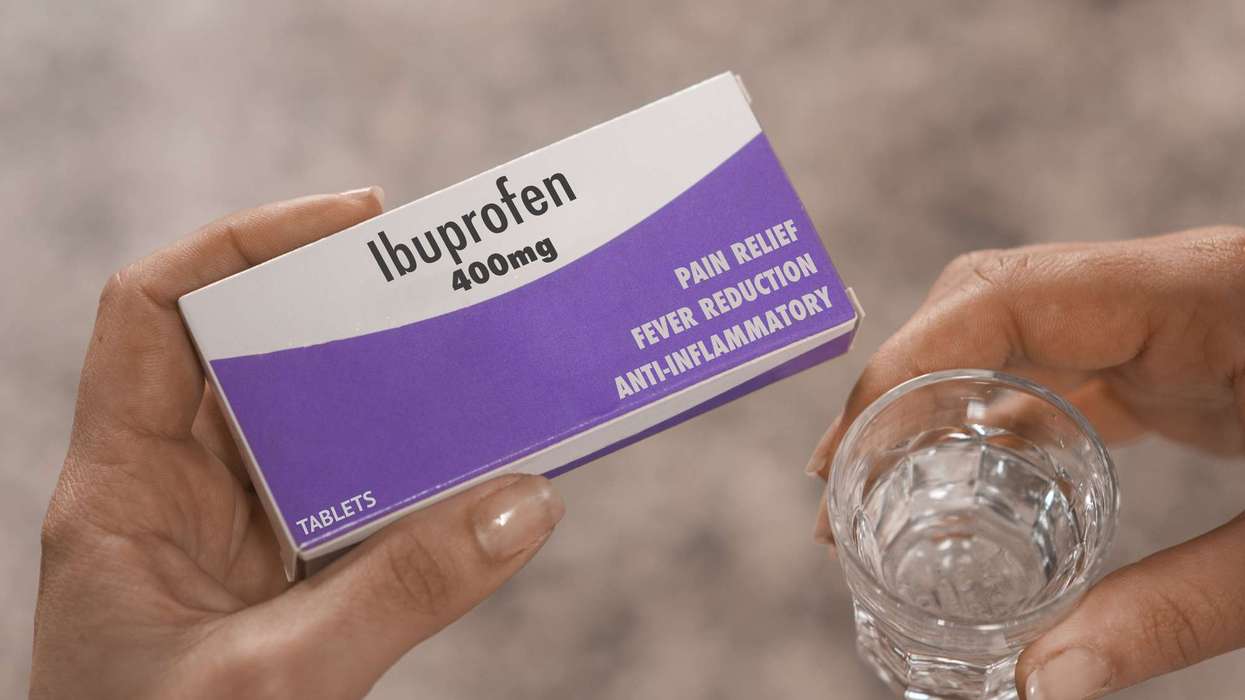
Pain management is being reshaped by macro trends including ageing populations, barriers to accessing healthcare and changing lifestyles. Consumers are taking greater ownership of their pain, with around 80% believing it is their responsibility to manage it day to day . Demand for self-care solutions remains high, and pharmacy continues to be a key access point for advice and reassurance.
While responsibility has shifted, confidence has not. Fewer than one in five consumers feel confident managing pain effectively , highlighting a persisting gap in health literacy. Choosing the right product is increasingly complex, with multiple formulations, ingredients and use cases to navigate, alongside unrealistic expectations around speed and extent of relief.
Pharmacists play a vital role in guiding consumers through complex pain management choices, providing clear, reassuring advice. By offering accessible education and support tools, pharmacy teams can help patients manage pain while easing frontline workloads, highlighting their essential role in achieving positive health outcomes.
Oral care: access gaps pushing demand into pharmacy
Limited access to NHS dental care is driving more consumers to seek oral health advice from their local pharmacies as an accessible point of healthcare support.
Pharmacy teams are increasingly supporting parents seeking help with children’s oral pain, patients managing oral health conditions such as sensitivity or mouth ulcers, and those looking for solutions while awaiting dental appointments. These interactions can be complex, especially when patients are anxious, in pain, or unsure what action to take next. This can be particularly true when it comes to oral health: dental anxiety can be a major barrier for many visiting an oral health professional, and pharmacists can help put their minds at ease ahead of seeking treatment.
As trusted healthcare professionals, pharmacy teams can also be an important source of preventative oral care advice. Through conversations with patients, pharmacists can provide guidance on how to care for teeth and gums, including ensuring that patients are brushing with a fluoride toothpaste twice a day for two minutes. NHS England has produced simple materials for pharmacists to support these conversations.
Signposting consumers to the right products can help manage oral care conditions at home or prevent them from appearing. For example, gum disease can often be left untreated, with almost half (45%) of consumers reporting they are not regularly considering the health of their gums when brushing their teeth. However, using a clinically proven product such as Corsodyl Active Gum Repair would support these consumers to manage bleeding, swollen and inflamed gums.
Why self-care will stall without better support
Self-care has the potential to ease pressure across the wider healthcare system, but pharmacy teams are being asked to deliver more care, guidance, and assurance often with fewer resources. Workforce shortages and rising workloads are no longer short-term challenges; they are structural pressures shaping day-to-day pharmacy practice.
As services expand, 62% of pharmacy teams cite staff shortages as a barrier to doing more, affecting wellbeing, patient experience and wait times . Without better tools and targeted support, the gap between consumer expectations and pharmacy capacity will continue to widen, driving frustration for patients, burnout for staff, and missed opportunities for early intervention – precisely where pharmacy can make the greatest difference. The year ahead promises to be a crucial one, and by working together across industry and the profession, we can unlock these opportunities to best support the nation’s wellbeing.The role of industry
Industry has a responsibility to meet the needs of our consumers and place their needs at the centre of innovation. This involves supporting pharmacy teams with clarity, confidence, and credibility. By helping to navigate increasingly complex categories, time can be saved at the counter and more consistent advice be delivered.
For Haleon, this means investing in evidence-based training and practical tools, such as the Haleon HealthPartner Portal, alongside clearer product communication and better category navigation. As digital self-care and AI increasingly shape how people seek health advice, those tools must complement, not replace, pharmacy expertise. Pharmacists’ role is rapidly evolving and Haleon’s focus is on supporting pharmacy teams to remain as confident, trusted guides at the heart of everyday health.
Turning self-care demand into better health
As demand for self-care continues to rise, in 2026, pharmacies will remain the most relied-upon touchpoint for everyday health – trusted, accessible and embedded in their communities. This provides a real opportunity to bring healthcare forward, foster prevention, and empower individuals to better manage their health in practical and meaningful ways.
Success will depend on strong leadership focused on actions, rather than gradual steps. Self-care will only deliver better outcomes if consumers are empowered with confidence to act, pharmacy teams are properly supported with time, training and tools they need, and industry steps up in new and practical ways. With sustained commitment and genuine partnership, rising self-care demand can be translated into stronger pharmacy teams, more confident consumers and healthier communities in 2026.
(Jo Cooper is General Manager UK&I, Haleon)